Table of Contents
- Why Effective Pest Removal Matters for Your Home
- Common Household Pests and How to Identify Them
- DIY vs Professional Pest Control: What Works Best
- Emergency Pest Exterminator Services: Fast Response When You Need It
- Understanding Pest Control Service Guarantees
- Integrated Pest Management for Long-Term Prevention
- Pet-Safe and Eco-Friendly Pest Control Options
- Conclusion
Last Updated: August 27, 2026
Why Effective Pest Removal Matters for Your Home
A single cockroach can lay hundreds of eggs in weeks. A pair of mice can become a colony of dozens within months. What starts as one ant trail can signal an infestation already spreading through your walls. This is why effective pest removal matters, not just for comfort, but for your home’s structural integrity and your family’s health.
At Zoifia Pest Control, we’ve handled many infestations across the Metro Boston area, and we’ve learned that the difference between a quick fix and a lasting solution comes down to approach. Many homeowners try DIY treatments first, which sometimes work for minor problems. But most infestations require professional intervention to eliminate the colony entirely, not just the visible pests you see crawling.
This guide covers everything you need to know about effective pest removal, from identifying what’s actually in your home to deciding whether DIY methods or professional treatment makes sense for your situation. We’ll walk you through the options, explain what actually works, and help you understand when calling an exterminator is your best move.
Common Household Pests and How to Identify Them
Identifying your pest problem correctly is the first step toward solving it. Different pests require different treatment strategies, and misidentifying the invader means wasting time and money on the wrong solution.
Ants come in several varieties, but the most common household species are carpenter ants and pharaoh ants. Carpenter ants are large (up to half an inch) and typically black or reddish-brown. They nest in wood and can cause structural damage over time. Pharaoh ants are tiny (1-2mm) and light colored, and they’re notorious for splitting colonies when threatened, a behavior that makes them particularly difficult to eliminate without the right approach. Look for ant trails along baseboards, under sinks, or near food sources.
Cockroaches are unmistakable once you spot one. German roaches are small (half-inch), tan with dark stripes, and incredibly fast. American roaches are larger (1.5 inches), reddish-brown, and prefer damp areas like basements and crawl spaces. Both are nocturnal, so seeing even one during the day signals a serious infestation. They leave behind dark droppings that look like ground pepper and emit a musty odor.
Rodents, mice and rats, are identified by their droppings, gnaw marks, and the sound of scratching in walls at night. Mouse droppings are small and pointed; rat droppings are larger and blunt-ended. Look for gnaw marks on wood, wiring, and food packaging. A single mouse dropping or gnaw mark means rodents are already inside.
Bed bugs are flat, reddish-brown insects about the size of an apple seed. You’ll find them in mattress seams, bed frames, and headboards. Bites appear in clusters or lines on skin, usually on arms, legs, or torso. Unlike other pests, bed bugs don’t indicate poor sanitation, they hitchhike on luggage, clothing, and used furniture.
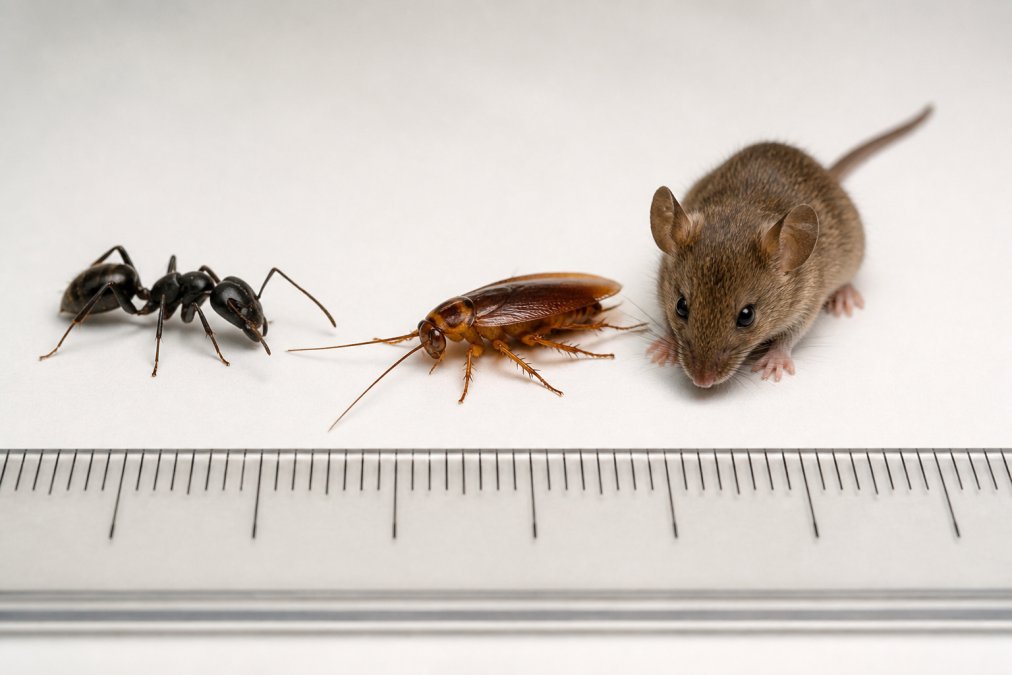
Proper identification matters because treatment methods differ. Gel baits work well for some ant species but fail against others. Roach treatments need to reach harborage areas where roaches hide. Rodent control requires both trapping and exclusion to prevent re-entry. Misidentifying your pest means choosing the wrong strategy.
DIY vs Professional Pest Control: What Works Best
This is where most homeowners face a real decision: try to solve it yourself or call a professional. Both approaches have merit, but they work in different scenarios.
When DIY Solutions Are Effective
DIY pest control works best for isolated, early-stage infestations where you’ve caught the problem before it spreads. A few ants in the kitchen? TERRO Liquid Ant Baits are genuinely effective for colony elimination, the worker ants carry the bait back to the nest, which kills the queen and eliminates the colony. These pre-filled stations can cost under ten dollars and work on common household ant species.
For cockroaches, gel baits like Advion Cockroach Gel Bait are professional-grade products available to homeowners. The active ingredient transfers through the colony via contact and consumption, making it effective even against bait-averse roaches. Application takes patience, you place small dots in cracks, crevices, and under appliances, but the results can be thorough if you’re meticulous about placement. A single pack of Advion Cockroach Gel Bait (4 x 30g tubes) can cost around $26 to $28.
Rodent traps work for catching individual mice, especially in garages or basements where you’ve seen one or two droppings. The T-Rex Rat Trap is a powerful snap trap that kills quickly and is reusable. The key is placement: traps work along walls where rodents travel, not in open spaces. A single T-Rex Rat Trap can cost around $9 to $12.
Perimeter treatments like Ortho Home Defense Insect Killer create a barrier outdoors and last up to 12 months indoors, making them useful for preventing insects from entering your home. They’re non-staining, odor-free, and cover a broad spectrum of household insects. A gallon of Ortho Home Defense Insect Killer can cost around $6 to $23.
The critical factor: DIY works when the infestation is small, localized, and you’re willing to invest time in careful application. It fails when you’re dealing with established colonies, multiple pest types, or when you’ve already tried treatments that haven’t worked.
Why Professional Treatment Delivers Better Results
Professional pest control wins in three scenarios: severity, speed, and certainty.
When you have an active infestation, multiple pest sightings, droppings in multiple rooms, or a problem that’s been growing for weeks, DIY treatments rarely eliminate the entire population. Roaches hide in walls, attics, and crawl spaces where DIY sprays can’t reach. Rodents nest in inaccessible areas. Ant colonies split and relocate when threatened by ineffective treatments, making the problem worse.
Professional exterminators use integrated pest management (IPM) strategies that combine multiple approaches: baiting, residual treatments, exclusion, and sanitation recommendations. They identify entry points, nesting sites, and harborage areas you might miss. They apply treatments in locations and concentrations that DIY products can’t match.
Speed matters when you’re dealing with bed bugs or a severe roach infestation. Professional treatment can be scheduled within days. A single professional visit with proper treatment often eliminates the problem faster than weeks of DIY attempts.
The guarantee is the real differentiator. Zoifia Pest Control backs its work with a 90-day guarantee, if pests return within that window, we retreat at no charge. This guarantee only exists because professionals have confidence in their methods.
Cost-wise, a professional visit costs more upfront than buying DIY products, but when DIY fails and you call a professional anyway, you’ve wasted money on ineffective treatments plus paid for professional service. The math often favors professional treatment from the start for established infestations.
Emergency Pest Exterminator Services: Fast Response When You Need It
Some pest problems can’t wait. A bed bug infestation discovered on a Friday night, a sudden surge of roaches in an apartment, or rodents found in a commercial kitchen demand immediate action.
Emergency pest exterminator services prioritize speed. Zoifia Pest Control offers fast response for urgent situations because we understand that pests multiply quickly and panic sets in fast. When you call with an active infestation, the goal is getting a technician to your property within days, not weeks.
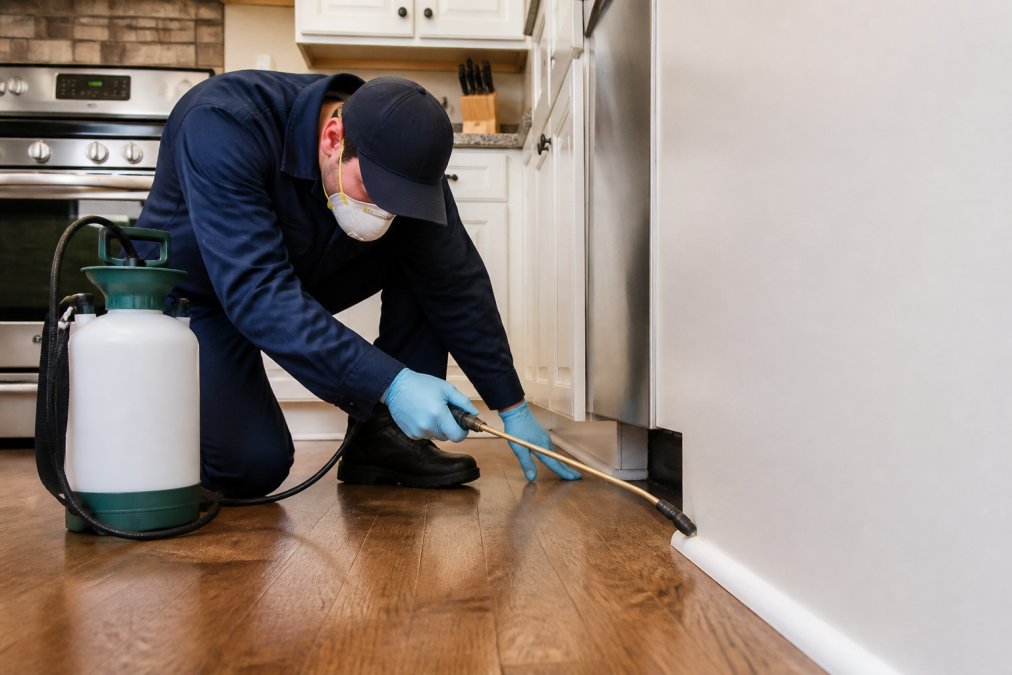
Fast response doesn’t mean rushed treatment. Professional exterminators still conduct a thorough inspection, identify the pest type and severity, locate entry points and nesting areas, and apply targeted treatments. The speed comes from having availability and the expertise to act decisively without wasting time on guesswork.
For renters and property managers, emergency services are critical. A tenant in an older Somerville building with a sudden roach problem needs resolution without a long-term contract. Zoifia Pest Control handles one-time emergency treatments without requiring ongoing service agreements, you pay for the treatment you need, not a monthly commitment.
The trade-off with emergency services is cost. Expedited scheduling and rapid response come at a premium. But when the alternative is a worsening infestation or losing a tenant, emergency exterminator services pay for themselves.
Understanding Pest Control Service Guarantees
A guarantee on pest control services is a promise with teeth. It means the company stands behind its work.
Zoifia Pest Control’s 90-day guarantee covers retreatment at no charge if pests return within 90 days of service. This is different from a "satisfaction guarantee" that refunds your money. A retreatment guarantee means the company believes its treatment will work and is willing to fix it if it doesn’t.
What a guarantee typically covers: the pest type you were treated for returns in the treated area. What it usually doesn’t cover: new infestations of different pests, pests entering from untreated areas, or infestations resulting from conditions you didn’t disclose (like a water leak that attracts pests).
Read the fine print. Some guarantees require you to follow sanitation and exclusion recommendations. Others require follow-up treatments or inspections. The best guarantees are straightforward: we treat, if pests return, we retreat. No additional charges, no asterisks.
A guarantee also signals that the company uses proven methods and has confidence in its technicians. Companies that can’t stand behind their work don’t offer guarantees. When comparing pest control services, a strong guarantee is worth more than a slightly lower price.
Integrated Pest Management for Long-Term Prevention
DIY treatments and emergency exterminator services solve immediate problems. Long-term pest prevention requires a different approach called Integrated Pest Management (IPM).
IPM isn’t a single treatment, it’s a strategy that combines multiple methods to prevent infestations before they start. The foundation is sanitation: eliminating food sources, water sources, and hiding places that attract pests. Remove standing water, seal cracks and crevices, store food in airtight containers, and eliminate clutter where pests hide.
Exclusion is the second pillar. Seal entry points where pests enter: gaps around pipes, holes in foundation walls, cracks in siding, and gaps under doors. Rodents can squeeze through holes the size of a dime. Cockroaches fit through cracks thinner than a credit card. Exclusion methods prevent pests from entering rather than killing them after they’ve arrived.
Monitoring comes next. Regular inspections identify pest activity early, before populations explode. Pheromone traps for roaches and rodents alert you to activity without chemicals. Sticky traps catch insects and help you track where they’re moving through your home.
Chemical treatment is the final layer, used only where monitoring shows pest activity. This targeted approach means you’re not spraying your entire home with pesticides, you’re applying treatments where pests are actually present.
For homeowners, IPM means scheduling annual inspections, maintaining your home’s exterior and interior to prevent entry, and addressing moisture problems that attract pests. For landlords managing multi-family buildings in older Boston-area housing stock, IPM means regular monitoring, tenant education about sanitation, and proactive exclusion work.
The payoff: fewer pest problems, lower long-term costs, and reduced pesticide exposure for your family.
Pet-Safe and Eco-Friendly Pest Control Options
Concerns about chemical pesticides affecting pets and children are legitimate. Professional pest control doesn’t require choosing between eliminating pests and protecting your family.
Pet-safe pest control uses active ingredients with low toxicity to mammals. Gel baits like Advion are placed in bait stations that pets can’t access. The active ingredient (indoxacarb) is transferred through the roach colony but has minimal toxicity to dogs and cats if ingested in small amounts. Applied correctly, gel baits are safer than leaving a roach infestation untreated.
Boric acid, a common DIY ingredient, is less pet-safe, it’s toxic if ingested in quantity. Professional-grade treatments are more carefully formulated and applied in locations where pets can’t reach them.
Silica gel is another low-toxicity option. It works by dehydrating insects and has minimal toxicity to mammals. It’s slower-acting than chemical baits but effective for long-term control.
Eco-friendly options also include exclusion and sanitation as primary methods, with chemical treatment as a last resort. This reduces overall pesticide use in your home. Some professional services use botanical insecticides derived from plants, though these are generally less effective than synthetic chemicals for severe infestations.
The trade-off: pet-safe and eco-friendly treatments may take longer to work and may require more frequent applications. For minor infestations, this is acceptable. For severe problems, you may need stronger chemicals applied by professionals who know how to minimize exposure risk.
If you have pets or young children, discuss safety with your pest control provider before treatment. Ask about specific active ingredients, application methods, and re-entry times. Professional exterminators can adjust their approach based on your household’s needs.
Conclusion
Effective pest removal starts with identifying the problem correctly, then choosing the right approach for your situation. DIY treatments work for early-stage, isolated infestations. Professional services are necessary for established colonies, multiple pest types, or when DIY has failed.
The best long-term solution combines professional treatment with integrated pest management, eliminating current infestations while preventing future ones through exclusion, sanitation, and monitoring.
Zoifia Pest Control specializes in fast, reliable pest removal for the Metro Boston area. Our licensed and insured technicians eliminate ants, roaches, rodents, bed bugs, and other household pests with a 90-day guarantee and no long-term contracts required. Whether you need emergency treatment or ongoing prevention, we provide the expertise and accountability that make the difference between a temporary fix and a lasting solution.
EPA guidance on integrated pest management
CDC information on pest-related health risks
National Pest Management Association standards
=== FAQ ANSWERS (audit these too, same rules) ===
[1] Q: What is the most effective pest control method for eliminating ants and roaches?
A: Gel baits and bait stations are highly effective for colony elimination because worker ants and roaches carry the poison back to the nest, destroying the entire population. TERRO Liquid Ant Baits and Advion Cockroach Gel Bait use this transfer mechanism to achieve complete colony control. For severe infestations, professional pest control combines baiting with residual treatments and exclusion methods to ensure long-term prevention.
[2] Q: When should you call a professional pest exterminator instead of trying DIY solutions?
A: Call an emergency pest exterminator if you have a large or recurring infestation, bed bugs, rodents in multiple areas, or if DIY treatments haven’t worked after two weeks. Professional technicians are licensed, use commercial-grade products, and apply integrated pest management techniques that address entry points and harborage areas, not just active pests. They also provide guarantees, so you’re protected if pests return.
[3] Q: What does a pest control service guarantee actually cover?
A: A pest control service guarantee typically covers re-treatment at no charge if pests return within the guarantee period (commonly 30 to 90 days). This means if you see ants, roaches, or rodents after treatment, the company returns to retreat your home free of charge. Always confirm the specific terms: which pests are covered, how long the guarantee lasts, and whether it includes follow-up visits or only one retreat.
[4] Q: Is DIY pest control cheaper than hiring a professional?
A: DIY products like TERRO baits and snap traps can cost around $5 to $30 upfront, making them cheaper initially. However, they often fail on severe infestations, requiring multiple rounds of treatment and wasted money. Professional services cost more per visit but eliminate the problem faster, prevent reinfestation through exclusion work, and come with guarantees. For mild infestations, DIY works; for persistent problems, professional treatment saves money long-term.
Frequently Asked Questions
What is the most effective pest control method for eliminating ants and roaches?
Gel baits and bait stations are highly effective for colony elimination because worker ants and roaches carry the poison back to the nest, destroying the entire population. TERRO Liquid Ant Baits and Advion Cockroach Gel Bait use this transfer mechanism to achieve complete colony control. For severe infestations, professional pest control combines baiting with residual treatments and exclusion methods to ensure long-term prevention.
When should you call a professional pest exterminator instead of trying DIY solutions?
Call an emergency pest exterminator if you have a large or recurring infestation, bed bugs, rodents in multiple areas, or if DIY treatments haven't worked after two weeks. Professional technicians are licensed, use commercial-grade products, and apply integrated pest management techniques that address entry points and harborage areas, not just active pests. They also provide guarantees, so you're protected if pests return.
What does a pest control service guarantee actually cover?
A pest control service guarantee typically covers re-treatment at no charge if pests return within the guarantee period (commonly 30 to 90 days). This means if you see ants, roaches, or rodents after treatment, the company returns to retreat your home free of charge. Always confirm the specific terms: which pests are covered, how long the guarantee lasts, and whether it includes follow-up visits or only one retreat.
Is DIY pest control cheaper than hiring a professional?
DIY products like TERRO baits and snap traps can cost around $5 to $30 upfront, making them cheaper initially. However, they often fail on severe infestations, requiring multiple rounds of treatment and wasted money. Professional services cost more per visit but eliminate the problem faster, prevent reinfestation through exclusion work, and come with guarantees. For mild infestations, DIY works; for persistent problems, professional treatment saves money long-term.
Get A Quote from Zoifia Pest Control today. We’ll inspect your property, identify the pest problem, and provide a transparent quote with no hidden fees. Our 90-day guarantee means you can trust the solution.
This article was written using GrandRanker
