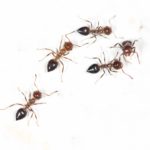
SMALL ANT CONTROL
Are you seeing small ant activity in your home? This is typical in areas where crumbs may accumulate, such as behind sofas in your living room, on your kitchen floor or countertop, along baseboards and inside cabinets.
One-Time Ant Service
Our One-Time Ant Service costs $175 and is 100% guaranteed for 90 days.
Interior Gel Treatment $175
Exterior Spray Treatment $250
Interior and Exterior Combined $295
You can expect to see a 50% reduction in ants within 2 days and 90%-100% reduction within 7-10 days. If you continue to see high levels of ant activity after 10 days, please call back for a second treatment.
Please note: If you are seeing black ants larger than ¼ inch, these are probably carpenter ants.
Call Now (857) 880-9463 or Use Contact Form
Ant Control Resources
Frequently Asked Questions
Ants can nest in various locations within a house, depending on the species and environmental conditions. Here are some common areas where ants may nest indoors:
1. Inside Walls and Ceilings:
- Ants can build nests within wall voids, particularly near moisture sources or entry points like windows or doors.
- They may also nest in ceiling voids, especially if there is access through plumbing or electrical conduits.
2. Under Floors:
- Ants can establish nests beneath flooring materials such as tile, hardwood, or carpet.
- Subfloor areas with access to moisture or food sources are particularly attractive to ants.
3. Cabinets and Cupboards:
- Ants may nest behind or underneath kitchen cabinets, especially near plumbing fixtures or food storage areas.
- Cupboards that store food items are also potential nesting sites for ants seeking food sources.
4. Bathrooms:
- Ants are drawn to bathrooms due to moisture. They may nest in wall voids, behind baseboards, or under sinks and tubs where plumbing provides water sources.
5. Basements and Crawl Spaces:
- Dark, damp areas like basements and crawl spaces provide ideal conditions for ants to nest.
- They may nest in cracks in the foundation, around plumbing pipes, or in insulation materials.
6. Attics:
- Ants can nest in attics, particularly near roof leaks or vents that provide access from the exterior.
- Insulation materials and rafters may also harbor ant nests.
7. Electrical Outlets and Appliances:
- Ants may nest near electrical outlets, behind switch plates, or within appliances like microwaves, refrigerators, or dishwashers.
- Warmth from appliances and access to crumbs or spills can attract ants to these areas.
8. Furniture and Upholstery:
- Certain ant species, such as carpenter ants, may nest in wooden furniture or upholstery, especially if the wood is damp or decaying.
9. Potted Plants:
- Ants may nest in soil or root systems of potted plants, particularly if the soil remains consistently moist.
10. Garages and Storage Areas:
- Ants may establish nests in cluttered areas of garages or storage rooms where there are hiding spots and access to food sources.
Prevention and Control:
- Seal Entry Points: Close gaps, cracks, and openings around doors, windows, and pipes to prevent ants from entering the house.
- Remove Food Sources: Keep kitchen surfaces clean, store food in sealed containers, and promptly clean up spills.
- Reduce Moisture: Fix leaks, improve ventilation, and reduce humidity levels to make indoor areas less attractive to ants.
- Regular Inspection: Conduct regular inspections to identify and eliminate ant nests early before they become established.
Yes, ants can be seasonal depending on the species and climate conditions. Here’s a general overview of how ants exhibit seasonal behavior:
Seasonal Activity Patterns:
- Spring:
- In many regions, ants become more active as temperatures rise in spring. This period often marks the beginning of ant mating flights, where winged reproductive ants (alates) emerge to mate and establish new colonies.
- Spring is also when existing colonies may expand their foraging activities as food sources become more abundant with warmer weather.
- Summer:
- Summer is typically the peak season for ants in many parts of the world. Warm temperatures and longer daylight hours promote increased foraging and colony growth.
- Ants may be more visible indoors as they seek out food and water sources, potentially leading to more frequent encounters with homeowners.
- Fall:
- As temperatures start to cool in fall, ant activity may begin to decrease. Outdoor foraging decreases as ants prepare for winter.
- Some ant species may still be active indoors, particularly if they have established nests in protected areas within structures.
- Winter:
- In colder climates, ants may become less active or enter a period of dormancy during winter. Outdoor foraging significantly decreases as ants conserve energy and seek shelter.
- Certain ant species, particularly those that nest indoors or in warm microenvironments, may remain active year-round.
Factors Influencing Seasonal Activity:
- Temperature: Ant activity is closely tied to temperature. Warmer temperatures generally promote increased activity, while colder temperatures can slow or halt ant movement.
- Food Availability: Seasonal changes in food availability, both indoors and outdoors, influence ant foraging patterns and colony behavior.
- Moisture: Ants require water for survival. Seasonal changes in precipitation levels and humidity can affect ant activity.
- Daylight Hours: Daylight length can influence ant behavior, particularly during periods of colony reproduction and establishment.
Ant Species Variability:
Different ant species may exhibit varying seasonal behaviors and life cycles. Some species are more adapted to specific climates and may have distinct seasonal patterns of activity. For example, in tropical regions where temperatures are more consistent year-round, ants may not exhibit as pronounced seasonal variations compared to temperate climates.
Conclusion:
While ants can be seasonal in their activity patterns, it’s important to note that certain species may remain active or become more problematic indoors throughout the year, especially in warmer climates or within heated indoor environments. Understanding the seasonal patterns of ants can help homeowners anticipate and manage potential infestations effectively.
Identifying the specific type of ant you have can be important for effective pest control. Here are some common types of ants and their distinguishing characteristics that may help you identify them:
1. Odorous House Ants (Tapinoma sessile)
- Color: Dark brown to black.
- Size: Small, about 1/8 inch (3.2 mm) long.
- Odor: Emit a strong, unpleasant odor when crushed, often described as “rotten coconut.”
- Habitat: Typically nest indoors near moisture sources like kitchens and bathrooms. They also nest outdoors in mulch, under stones, or in cracks in pavement.
2. Carpenter Ants (Camponotus spp.)
- Color: Usually black, but some species may be reddish or a combination of black and red.
- Size: Larger than odorous house ants, ranging from 1/4 to 1/2 inch (6.4 to 12.7 mm).
- Behavior: Known for excavating wood to build nests, but they do not eat wood. They prefer moist, decaying wood, but can also nest in sound wood.
- Habitat: Often found nesting in structural wood, such as window frames, door frames, and within walls.
3. Pavement Ants (Tetramorium caespitum)
- Color: Dark brown to black.
- Size: About 1/8 inch (3.2 mm) long.
- Nesting: Build nests in cracks in pavement, under sidewalks, and along the edges of driveways.
- Behavior: They may also nest indoors under floors and in walls, particularly near heat sources.
4. Pharaoh Ants (Monomorium pharaonis)
- Color: Light yellow to reddish brown.
- Size: Very small, about 1/16 inch (1.5 mm) long.
- Behavior: Known for being difficult to control due to their large colonies and ability to form multiple nests.
- Habitat: Nest indoors in warm, humid areas near food sources. They are commonly found in kitchens and bathrooms.
5. Fire Ants (Solenopsis spp.)
- Color: Reddish-brown to reddish-black.
- Size: Varies by caste; workers are about 1/8 to 1/4 inch (3.2 to 6.4 mm) long.
- Behavior: Known for their aggressive behavior and painful stings. They build large mounds in soil and can also nest indoors in electrical equipment or wall voids.
6. Argentine Ants (Linepithema humile)
- Color: Light to dark brown.
- Size: Small, about 1/8 inch (3.2 mm) long.
- Behavior: Form extensive colonies with multiple queens. They are highly adaptable and can nest both indoors and outdoors.
- Habitat: Commonly found nesting near moisture sources, such as under mulch, in potted plants, and around plumbing.
Identification Tips:
- Physical Characteristics: Note the size, color, and body shape of the ants you observe.
- Behavior: Observe their nesting habits, trails, and foraging patterns.
- Location: Pay attention to where you find ants indoors and outdoors, as different species prefer different habitats.
If you’re having difficulty identifying the type of ant you have, consider consulting with a licensed pest control professional. They can conduct a thorough inspection, identify the species, and recommend appropriate treatment options tailored to your specific ant problem.
Ants themselves are generally not dangerous to humans in the sense of causing direct harm through bites or stings, except for certain species like fire ants or harvester ants that can deliver painful stings. However, ants can indirectly pose risks and nuisances in various ways:
1. Health Risks:
- Contamination: Ants can contaminate food and food preparation surfaces as they forage for sources of nutrition.
- Allergies: Some people may experience allergic reactions to ant bites or stings, leading to swelling, itching, and discomfort.
- Disease Transmission: While rare, ants can potentially transmit diseases as they move through unsanitary areas and then come into contact with food or surfaces.
2. Property Damage:
- Structural Damage: Carpenter ants, in particular, can damage wood structures by excavating tunnels and nests.
- Electrical Damage: Certain ants may nest in electrical equipment or appliances, causing damage and potentially creating fire hazards.
3. Nuisance Factors:
- Infestations: Large ant colonies can become a significant nuisance, especially when they invade homes in search of food or shelter.
- Garden and Landscape Damage: Ants can disrupt garden beds, damage plants, and protect pests like aphids that harm vegetation.
4. Ecological Impact:
- Invasive Species: Some ant species, when introduced to new environments, can disrupt local ecosystems and outcompete native species.
- Predation: Ants can prey on beneficial insects or disrupt natural food chains, affecting biodiversity.
Managing Ants:
- Prevention: Seal entry points, maintain cleanliness, and eliminate food and water sources to prevent ant infestations.
- Control: If ants become a problem, consider using baits, insecticides, or seeking professional pest control services to manage infestations effectively.
While most ants are not inherently dangerous to humans, understanding their behavior and potential risks can help homeowners take proactive measures to mitigate problems and ensure a safe and healthy living environment. If you have concerns about ants in your home or property, consulting with a pest control professional can provide tailored solutions and recommendations for effective management.
In some cases, house ants may go away on their own, especially if their presence was temporary due to seasonal changes or external factors. However, this largely depends on several factors:
1. Seasonal Changes:
- Ant activity can fluctuate with seasons. During colder months, ants may reduce their foraging and nesting activities indoors and become less noticeable.
2. Natural Behavior:
- Some ant species may relocate their nests or colonies based on changes in food availability, environmental conditions, or disturbance.
3. Availability of Resources:
- If food and water sources that attracted ants are removed or become scarce, ants may be less likely to remain in the area.
4. Nesting Sites:
- Ants may abandon indoor nesting sites if they are disturbed, or if conditions become unfavorable (e.g., lack of moisture or excessive disturbance).
5. Colony Dynamics:
- Ant colonies can experience fluctuations in population due to natural factors such as competition, predation, or changes in colony health.
6. Reproductive Cycles:
- Certain ant species, particularly those with winged reproductive ants (alates), may disperse and establish new colonies during specific times of the year.
Factors Influencing Persistent Infestations:
- Persistent Food Sources: If ants have established a reliable food source indoors, such as crumbs or spills, they may continue to return until the food source is eliminated.
- Nesting Sites: Ants may continue to nest indoors if they find suitable conditions, such as warm, moist areas with access to food and water.
- Species Characteristics: Some ant species are highly adaptable and resilient, making them more likely to persist unless actively managed.
Management and Control:
To effectively manage ant infestations and encourage them to go away:
- Sanitation: Clean up spills, crumbs, and food debris promptly. Store food in tightly sealed containers.
- Seal Entry Points: Close gaps, cracks, and openings around doors, windows, and pipes to prevent ants from entering.
- Reduce Moisture: Fix leaks and reduce humidity levels to make indoor areas less attractive to ants.
- Use Baits and Insecticides: Deploy ant baits or insecticides labeled for indoor use to target ant colonies and nests effectively.
Conclusion:
While some house ants may leave on their own, proactive pest control measures are often necessary to prevent infestations from becoming persistent or recurring. If you continue to experience issues with ants or are unsure of the species and potential risks, consulting with a pest control professional can provide tailored solutions to effectively manage and prevent ant problems in your home.
