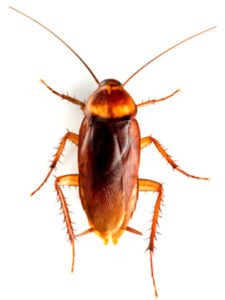
Cockroach Extermination
Nobody wants cockroaches around. If you see evidence of cockroach activity in your residential or commercial property, it’s time to take action. Cockroach extermination services from Zoifia will take care of your problem reliably and fast.
How do we get rid of cockroaches?
We combine an appropriate application of chemicals, along with increased sanitation practices, to kill existing roaches and remove food sources that encourage infestations.
We remove any live cockroaches. Then we apply baits and Insect Growth Regulators in any areas prone to roach activity and where roach activity has been observed. In addition, we will fumigate kitchen cabinets with a special pesticide for roaches.
The combination of these methods will reduce the current population and interfere with the ability of cockroaches to develop and reproduce.
Get peace of mind from roaches
If you have cockroaches in your home, Zoifia Pest Control will get rid of them with our One-Time Cockroach Control Service. Using baiting strategies to eliminate the roach populations, together with chemical applications and the physical removal of food debris and live cockroaches, you can expect all roach activity to cease within 30 days.
Attention! For best results, all items in cabinets must be removed. Kitchen must be free to spray everywhere.
90-day Guarantee
Treatments range in price from $395 depending on the infestation, square footage, and how many additional follow-up treatments may be required to eliminate the cockroaches. Warranties also depend on the infestation, but generally we provide a 90-day guarantee.
Call Us (857) 880-9463 or use Contact Form
Get in Touch
Cockroach Extermination Resources
Frequently Asked Questions
Types of Cockroaches: Identification and Behavior
Cockroaches are resilient pests known for their adaptability and ability to thrive in various environments. Understanding the different types of cockroaches can help homeowners identify infestations and implement effective pest control measures. Here’s a comprehensive guide to the types of cockroaches:
1. German Cockroach (Blattella germanica)
- Appearance: Light brown to tan color with two dark stripes running lengthwise on the pronotum (head).
- Size: Approximately ½ to ⅝ inch in length.
- Habitat: Often found in kitchens, bathrooms, and areas with access to food and moisture.
- Behavior: Nocturnal and highly reproductive, with a rapid lifecycle. They prefer warm and humid environments.
2. American Cockroach (Periplaneta americana)
- Appearance: Reddish-brown color with a yellowish figure-8 pattern on the back of the head.
- Size: Larger than German cockroaches, approximately 1 to 1.5 inches in length.
- Habitat: Commonly found in basements, crawl spaces, and sewer systems. They can also inhabit commercial buildings.
- Behavior: Omnivorous and primarily nocturnal. American cockroaches are fast runners and capable of flying short distances.
3. Oriental Cockroach (Blatta orientalis)
- Appearance: Shiny, dark brown to black color with a smooth, oval-shaped body.
- Size: About 1 inch in length.
- Habitat: Prefers cool, damp environments such as basements, drains, and under sinks.
- Behavior: Less agile than other cockroach species and primarily nocturnal. They have a strong preference for decaying organic matter.
4. Brown-banded Cockroach (Supella longipalpa)
- Appearance: Light brown to tan color with distinctive light-colored bands across the wings and abdomen.
- Size: Smaller than German cockroaches, approximately ½ inch in length.
- Habitat: Often found in warm, dry areas such as bedrooms, closets, and furniture.
- Behavior: Less dependent on moisture than other species. Brown-banded cockroaches prefer higher locations and can infest various household items.
5. Smokybrown Cockroach (Periplaneta fuliginosa)
- Appearance: Shiny, dark brown to black color with a uniform, smooth body.
- Size: Similar in size to American cockroaches, around 1 to 1.5 inches in length.
- Habitat: Prefers outdoor habitats but can enter buildings seeking food and shelter. Common in humid regions.
- Behavior: Nocturnal and attracted to lights. They are strong fliers and often found in attics, chimneys, and roof spaces.
Common Traits and Risks
- Disease Transmission: Cockroaches can spread pathogens and trigger allergies, posing health risks to humans.
- Rapid Reproduction: Cockroaches reproduce quickly, making infestations challenging to eradicate without professional pest control.
- Adaptability: They can survive on a wide range of food sources and adapt to various environmental conditions.
Control and Prevention
- Sanitation: Maintain cleanliness by eliminating food and water sources, and regularly cleaning areas prone to cockroach activity.
- Seal Entry Points: Close gaps, cracks, and openings around doors, windows, and pipes to prevent cockroaches from entering buildings.
- Professional Treatment: Consult with a licensed pest control expert for effective cockroach control treatments, tailored to the specific species and extent of infestation.
Conclusion
By identifying the types of cockroaches and understanding their behavior, homeowners can take proactive steps to prevent infestations and protect their homes from these resilient pests. Regular inspection, sanitation, and professional pest control services are key to effective cockroach management.
Cockroach Lifecycle: Understanding Stages and Development
Understanding the lifecycle of cockroaches is essential for effective pest control and prevention. By knowing the stages of development, homeowners can identify infestations early and implement targeted measures to manage these resilient pests. Here’s a comprehensive guide to the cockroach lifecycle:
1. Egg Stage
- Egg Deposition: Female cockroaches produce oothecae, protective cases containing eggs. Each ootheca can contain multiple eggs, depending on the species.
- Ootheca Location: Eggs are deposited in hidden, sheltered locations such as cracks, crevices, and behind furniture or appliances.
- Incubation Period: Eggs hatch into nymphs within weeks to months, depending on environmental conditions such as temperature and humidity.
2. Nymph Stage
- Emergence: Nymphs emerge from the ootheca and resemble miniature versions of adult cockroaches but lack fully developed wings and reproductive organs.
- Growth and Molting: Nymphs undergo several stages of molting, shedding their exoskeletons to accommodate growth. Each molted stage (instar) becomes increasingly similar to adult cockroaches.
- Feeding and Development: Nymphs actively feed on organic matter, including food scraps, grease, and even other dead insects, to fuel their growth.
3. Adult Stage
- Maturation: After completing several molting stages (usually 5-7 instars, depending on the species), nymphs reach adulthood.
- Reproductive Maturity: Adult cockroaches develop fully functional wings (if applicable to the species) and reproductive organs.
- Behavior and Lifespan: Adults are nocturnal and primarily active at night, seeking food, water, and shelter. Lifespan varies by species but can range from a few months to over a year.
Common Traits and Adaptations
- Survival Adaptations: Cockroaches are highly adaptable and can survive in diverse environments, including urban settings, due to their resilience to starvation and harsh conditions.
- Rapid Reproduction: The short lifecycle and high reproductive potential (depending on species, a single female can produce thousands of offspring in her lifetime) contribute to rapid population growth.
Prevention and Control Strategies
- Sanitation: Maintain cleanliness by eliminating food and water sources, and regularly cleaning areas prone to cockroach activity.
- Sealing Entry Points: Close gaps, cracks, and openings around doors, windows, and pipes to prevent cockroaches from entering buildings.
- Professional Treatment: Consult with a licensed pest control expert for effective cockroach control treatments, tailored to the specific species and extent of infestation.
Conclusion
By understanding the lifecycle of cockroaches and their behavior, homeowners can implement proactive measures to prevent infestations and protect their homes from these persistent pests. Regular inspection, sanitation, and professional pest control services are crucial for effective cockroach management.
1. Droppings (Fecal Matter):
- Cockroach droppings are small, dark, and cylindrical in shape, resembling ground coffee or black pepper. The size and appearance can vary based on the species of cockroach.
- Common places to find droppings include kitchen cabinets, drawers, countertops, and along baseboards.
2. Smear Marks:
- Cockroaches are known to leave smear marks or stains on surfaces as they navigate through grease and dirt. These marks appear as dark streaks or patches along walls, floors, and countertops.
3. Odor:
- Cockroaches emit a distinct, musty odor that can become noticeable in severe infestations. The smell is often described as oily or pungent and may be more apparent in enclosed spaces.
4. Egg Casings (Oothecae):
- Cockroach egg cases, called oothecae, are often found in hidden and protected areas. They are elongated and brownish in color, typically glued to surfaces or tucked away in cracks and crevices.
5. Live Cockroaches:
- Spotting live cockroaches is a clear sign of an infestation. They are nocturnal insects and may be seen scurrying away when lights are turned on, particularly in kitchens, bathrooms, and other warm, moist areas.
6. Damage to Property:
- Cockroaches can cause damage to materials such as paper, cardboard, and fabric. They may also chew on food packaging or leave behind gnaw marks on objects.
7. Nesting Sites:
- Cockroaches prefer dark, secluded areas near sources of food and moisture. Common hiding spots include behind refrigerators, sinks, stoves, and inside wall voids.
8. Increased Allergy Symptoms:
- For individuals sensitive to cockroach allergens, increased allergy symptoms such as sneezing, coughing, and skin rashes may indicate a higher presence of cockroaches indoors.
9. Nocturnal Activity:
- Cockroaches are primarily active at night. If you frequently spot them during daylight hours, it may indicate a larger infestation or overcrowding.
10. Pets’ Behavior:
- Pets, especially cats and dogs, may exhibit unusual behavior such as pawing or sniffing at walls and corners where cockroaches are present.
Conclusion
Early detection of these signs is crucial for effective cockroach control. Homeowners should promptly address any signs of a cockroach infestation to prevent the pests from multiplying and spreading further. Consulting with a licensed pest control professional can help implement targeted treatments and preventive measures tailored to the specific type of cockroach and extent of the infestation.
Effective Ways to Prevent Cockroaches: Tips for a Pest-Free Home
Preventing cockroaches from invading your home requires a proactive approach that targets their food, water, and shelter sources. By implementing these preventive measures, homeowners can significantly reduce the likelihood of a cockroach infestation. Here’s a comprehensive guide to preventing roaches:
1. Maintain Cleanliness
- Regular Cleaning: Clean up food crumbs, spills, and grease promptly, especially in kitchens and dining areas.
- Vacuuming: Regularly vacuum floors, carpets, and upholstery to remove food particles and cockroach eggs.
- Trash Management: Seal garbage bins tightly and dispose of trash regularly to eliminate food sources.
2. Eliminate Food and Water Sources
- Store Food Properly: Keep food in sealed containers, including pet food, and avoid leaving food out overnight.
- Fix Leaks: Repair any plumbing leaks promptly to eliminate sources of standing water, which cockroaches need to survive.
- Dry Dishes: Wash dishes promptly and ensure they are dried and put away to remove potential water sources.
3. Seal Entry Points
- Close Gaps: Seal cracks and crevices around doors, windows, and pipes with caulk or weather stripping.
- Screen Vents: Install mesh screens on vents and chimney openings to prevent cockroaches from entering.
4. Declutter and Seal Hiding Places
- Remove Clutter: Cockroaches hide in cluttered areas, so declutter basements, attics, and storage areas regularly.
- Seal Gaps: Seal gaps around electrical outlets, light switches, and baseboards where cockroaches can enter or hide.
5. Use Cockroach Repellents
- Natural Repellents: Consider using natural repellents such as bay leaves, cucumber slices, or essential oils like peppermint or tea tree oil in areas prone to cockroach activity.
- Commercial Repellents: Use insecticides and baits designed to repel or kill cockroaches, following manufacturer instructions carefully.
6. Regular Inspections
- Inspect Incoming Items: Inspect grocery bags, boxes, and second-hand furniture for signs of cockroaches before bringing them into your home.
- Monitor Hotspots: Regularly check areas where cockroaches are likely to hide or nest, such as kitchens, bathrooms, and behind appliances.
Conclusion
By following these preventive measures consistently, homeowners can significantly reduce the risk of a cockroach infestation and maintain a pest-free environment. For persistent or severe infestations, consulting with a licensed pest control professional is recommended to implement targeted treatments and ensure effective cockroach control.
How to Get Rid of Cockroaches: Effective Methods for Cockroach Control
Dealing with a cockroach infestation requires a comprehensive approach that targets both adult roaches and their eggs, as well as eliminates their access to food, water, and shelter. By implementing these effective methods, homeowners can successfully eliminate cockroaches and prevent future outbreaks. Here’s a detailed guide on how to get rid of cockroaches:
1. Identify the Type of Cockroach
- Species Identification: Different species of cockroaches may require slightly different treatment approaches. Identify the specific type of cockroach infesting your home to tailor your eradication efforts.
2. Sanitation and Cleaning
- Remove Food Sources: Clean up food crumbs, spills, and grease promptly. Store food in sealed containers and avoid leaving pet food out overnight.
- Eliminate Water Sources: Fix any leaks in plumbing, drains, or faucets. Cockroaches need water to survive, so eliminating moisture will help make your home less attractive to them.
- Reduce Clutter: Cockroaches thrive in cluttered environments. Declutter areas such as basements, attics, and storage spaces to eliminate hiding spots.
3. Seal Entry Points
- Close Gaps: Seal cracks, gaps, and openings around doors, windows, and pipes with caulk or weather stripping to prevent cockroaches from entering your home.
- Screen Vents: Install mesh screens on vents and chimney openings to block cockroach entry points.
4. Use Cockroach Baits and Insecticides
- Bait Stations: Place cockroach baits in areas where cockroaches are active, such as kitchens, bathrooms, and behind appliances. Baits attract cockroaches, which then carry the poison back to their nests, effectively eliminating the colony.
- Insecticidal Sprays: Use insecticides labeled for indoor use to treat cracks, crevices, and baseboards where cockroaches hide. Follow manufacturer instructions and safety precautions carefully.
5. Employ Natural Remedies and Repellents
- Diatomaceous Earth: Sprinkle food-grade diatomaceous earth in areas where cockroaches are present. This powder is abrasive to their exoskeletons and dehydrates them.
- Essential Oils: Use essential oils such as peppermint, tea tree oil, or eucalyptus oil as natural repellents. Mix a few drops with water and spray in infested areas.
6. Professional Pest Control Services
- Consultation: If the infestation persists or is severe, consult with a licensed pest control professional.
- Treatment: Professionals have access to stronger insecticides and specialized equipment to effectively eliminate cockroaches while minimizing risks to your family and pets.
- Preventive Maintenance: Pest control experts can provide ongoing monitoring and preventive treatments to ensure long-term cockroach control.
Conclusion
By combining these methods and maintaining vigilance, homeowners can effectively get rid of cockroaches and prevent future infestations. Regular inspection, sanitation, and targeted treatments are key to keeping your home pest-free.
