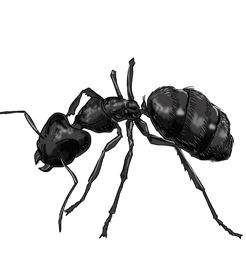
Carpenter Ant Control
If your home or commercial premises needs carpenter ant control, Zoifia is here to help. We will perform a detailed inspection that will locate carpenter ant trails with pinpoint accuracy.
Once identified, our pest management professionals will put active control measures in place, using a combination of baits and traditional materials as necessary. The carpenter ants feed on the bait, taking it back to the colony where it is fed to other ants. When it comes to carpenter ant control, our goal is to eliminate the colony.
If you suspect a carpenter ant infestation, don’t delay. Carpenter ants can cause structural damage to your building fast.
Carpenter Ant Treatments Start From:
Interior Gel Treatment $175
Exterior Spray Treatment $250
Interior and Exterior Combined $295
Call Now (857) 880-9463 or complete the form:
Carpenter Ant Resources
Frequently Asked Questions
Characteristics of Carpenter Ants: Identification and Behavior
Understanding the characteristics and behavior of carpenter ants is crucial for effective pest management and prevention. By recognizing these traits, homeowners can identify potential infestations early and take appropriate action. Here’s a comprehensive guide to the characteristics of carpenter ants:
Physical Characteristics
- Size and Appearance:
- Carpenter ants vary in size, typically ranging from ¼ to ½ inch in length.
- They are usually black or dark brown in color, although some species may have reddish or yellowish hues.
- Workers have large mandibles (jaws) and elbowed antennae, distinguishing them from termites.
- Body Structure:
- Segmented body with a narrow waist and three distinct body regions (head, thorax, abdomen).
- Smooth and evenly rounded profile, without the uniform width of termites.
Nesting Habits
- Wood-Boring Behavior:
- Unlike termites, carpenter ants do not consume wood for food but excavate galleries and tunnels to create nesting sites.
- They prefer moist or decayed wood, including structural lumber, trees, stumps, and firewood.
- Nests may extend into sound wood, causing structural damage over time if left untreated.
- Nesting Locations:
- Common nesting sites include wall voids, attics, crawl spaces, and hollow doors where they can find suitable moisture levels.
- Outdoors, carpenter ants may nest in trees, logs, and landscaping timbers.
Behavior and Diet
- Foraging Patterns:
- Nocturnal activity: Carpenter ants are most active during the night, foraging for food and water.
- Trails: They establish pheromone trails to and from food sources, often traveling long distances from their nests.
- Dietary Preferences:
- Omnivorous diet: Carpenter ants feed on a variety of foods, including sweets, proteins, and fats.
- They are attracted to sugary substances like honeydew produced by aphids and scale insects.
Signs of Carpenter Ant Activity
- Frass and Sawdust:
- Piles of coarse sawdust-like material (frass) near nesting sites or entry points.
- Frass consists of wood particles, debris, and insect body parts discarded by carpenter ants.
- Audible Sounds:
- Rustling or crackling noises heard from within walls or woodwork, particularly during quiet periods.
- Visual Observations:
- Sightings of worker ants foraging indoors, especially in kitchens, pantries, or near water sources.
- Winged reproductive ants (swarmers) emerging from nests during mating flights, particularly in spring or early summer.
Damage and Risks
- Structural Damage: Carpenter ants can weaken wooden structures over time, potentially compromising building integrity and safety.
- Moisture Issues: Their presence often indicates moisture problems, such as leaks or condensation, which can exacerbate wood decay.
Control and Prevention
- Identify and Seal Entry Points: Inspect and seal cracks, gaps, and openings that may provide access to your home.
- Reduce Moisture Levels: Address water leaks and humidity issues to discourage carpenter ant nesting.
- Trim Vegetation: Keep trees, shrubs, and landscaping materials trimmed and away from your home to reduce access points.
- Professional Treatment: Consult with a licensed pest control expert for targeted treatments and ongoing monitoring to eliminate carpenter ants effectively.
Conclusion
By understanding the characteristics and behavior of carpenter ants, homeowners can proactively protect their homes from potential damage and infestations. Regular inspection, maintenance of moisture levels, and prompt action are key to effective carpenter ant control.
Signs of Carpenter Ants: How to Identify Infestations Early
Detecting signs of carpenter ants early is crucial for preventing structural damage and addressing infestations promptly. By recognizing these indicators, homeowners can take effective measures to protect their property. Here’s a comprehensive guide to identifying signs of carpenter ants:
Common Signs of Carpenter Ant Activity
- Presence of Worker Ants:
- Appearance: Carpenter ants are large, ranging from ¼ to ½ inch in length, typically black or dark brown in color.
- Foraging: Sightings of worker ants indoors, especially in kitchens, pantries, or near water sources, particularly at night.
- Trails: They follow established pheromone trails to and from food sources, indicating a nearby nest.
- Frass and Sawdust Accumulation:
- Frass: Piles of coarse sawdust-like material, known as frass, near nesting sites or entry points.
- Texture: Frass consists of wood particles, debris, and insect body parts discarded by carpenter ants during tunneling activities.
- Audible Sounds:
- Rustling or Crackling: Faint rustling or crackling noises heard from within walls, ceilings, or woodwork, particularly during quiet periods such as night time.
- Visual Indicators:
- Winged Reproductive Ants (Swarmers): Sightings of winged ants emerging from nests during mating flights, typically in spring or early summer.
- Nest Openings: Small, clean, circular openings in wood surfaces where carpenter ants enter and exit their galleries.
- Wood Damage and Hollow Sounds:
- Structural Wood Damage: Presence of galleries and tunnels excavated by carpenter ants within wood, usually moist or decayed areas.
- Hollow-Sounding Wood: Tapping on infested wood may produce a hollow or papery sound due to tunneling activities.
- Moisture Issues:
- Indicators: Carpenter ants are attracted to moisture, so their presence often signals underlying water leaks, condensation, or high humidity levels in buildings.
Risks Associated with Carpenter Ants
- Structural Damage: Carpenter ants do not eat wood but excavate galleries for nesting, potentially compromising the integrity of wooden structures over time.
- Moisture Problems: Their presence often indicates moisture issues, which can exacerbate wood decay and attract other pests.
Prevention and Control Measures
- Seal Entry Points: Inspect and seal cracks, gaps, and openings in foundations, walls, doors, and windows to prevent carpenter ants from entering your home.
- Reduce Moisture Levels: Address water leaks, fix plumbing issues, and improve ventilation to eliminate damp conditions that attract carpenter ants.
- Trim Vegetation: Keep trees, shrubs, and landscaping materials trimmed and away from your home to reduce access points for carpenter ants.
- Professional Treatment: Consult with a licensed pest control expert for targeted treatments, including baits, dusts, or liquid insecticides, to eliminate carpenter ants effectively.
Conclusion
By understanding the signs of carpenter ant activity and implementing proactive prevention measures, homeowners can protect their property from potential damage and infestations. Regular inspection and prompt action are key to maintaining a pest-free environment.
Carpenter ants typically nest in wood, but unlike termites, they do not eat wood for sustenance. Instead, they excavate galleries within moist or decayed wood to create their nests. Here’s a detailed exploration of where carpenter ants commonly nest:
Preferred Nesting Sites
- Structural Wood:
- Indoor Locations: Carpenter ants often establish nests in structural wood within buildings. This includes areas such as wall voids, attics, basements, crawl spaces, and under sinks.
- Outdoor Locations: They may also nest in outdoor structures like wooden decks, fences, tree stumps, and logs.
- Moisture-Rich Areas:
- Carpenter ants are attracted to moist environments. They prefer nesting in wood that has been softened by moisture, such as around leaks in plumbing, roofs, or windows.
- Areas with high humidity levels, such as near kitchens and bathrooms, can also attract carpenter ants.
- Hollow Spaces:
- They do not consume wood but hollow it out to create galleries where they live and raise their brood. These galleries may extend several feet into sound wood, depending on the size of the colony.
- Natural Wood Structures:
- Outdoors, carpenter ants nest in natural wood sources like dead or decaying trees, logs, and landscaping timbers. They can also infest wooden furniture and garden sheds if conditions are favorable.
Signs of Carpenter Ant Nesting
- Frass: Piles of sawdust-like material, known as frass, near nest openings or entry points. This consists of wood particles, debris, and insect body parts discarded by carpenter ants.
- Galleries and Tunnels: Visible damage to wood surfaces, including small, clean, circular openings where ants enter and exit. Tapping on infested wood may produce a hollow sound due to tunneling activities.
- Audible Noises: Faint rustling or crackling sounds heard from within walls or woodwork, especially during quiet periods such as nighttime.
Prevention and Control Measures
- Sealing Entry Points: Inspect and seal cracks, gaps, and openings in foundations, walls, doors, and windows to prevent carpenter ants from entering your home.
- Reducing Moisture: Address water leaks, fix plumbing issues, and improve ventilation to eliminate damp conditions that attract carpenter ants.
- Trimming Vegetation: Keep trees, shrubs, and landscaping materials trimmed and away from your home to reduce access points for carpenter ants.
- Professional Treatment: Consult with a licensed pest control expert for targeted treatments, including baits, dusts, or liquid insecticides, to eliminate carpenter ants effectively.
Understanding where carpenter ants nest and recognizing signs of infestation can help homeowners take proactive steps to protect their property. Regular inspections and prompt action are essential for maintaining a pest-free environment.
Damage Caused by Carpenter Ants: Understanding the Risks
Carpenter ants, though not consuming wood for food like termites, can still cause substantial damage to wooden structures. Recognizing the signs of their presence and taking preventive measures are crucial for protecting your home. Here’s a comprehensive look at the damage carpenter ants can cause:
Structural Damage
- Wood Excavation:
- Galleries and Tunnels: Carpenter ants tunnel through wood to create nests, excavating galleries for nesting and raising their brood.
- Weakening of Wood: Continuous tunneling weakens the structural integrity of wooden components, such as beams, joists, and support posts.
- Potential Collapse: Severe infestations over time can compromise the stability of structures, leading to potential collapse in extreme cases.
- Moisture Issues:
- Attraction to Moisture: Carpenter ants are drawn to damp or decaying wood, often indicating underlying moisture problems within buildings.
- Exacerbating Decay: Their presence can accelerate wood decay by creating openings that allow moisture to penetrate deeper into the wood.
Economic and Safety Risks
- Repair Costs:
- Expensive Repairs: Addressing structural damage caused by carpenter ants can be costly, involving repair or replacement of affected wood.
- Additional Costs: This may include repairing water leaks or addressing underlying moisture issues to prevent future infestations.
- Fire Hazards:
- Electrical Damage: Carpenter ants may gnaw through electrical wiring, insulation, and cables, increasing the risk of electrical malfunctions and potential fire hazards.
- Safety Concerns: Damaged wiring can pose a fire risk and may require professional inspection and repairs to ensure safety.
Impact on Property Value
- Decreased Resale Value: Structural damage and pest infestations, including those caused by carpenter ants, can reduce the market value of properties.
- Disclosure Requirements: Sellers may be legally obligated to disclose past or present pest infestations, impacting negotiations and property transactions.
Prevention and Control Measures
- Early Detection: Regular inspections for signs of carpenter ants, such as frass (sawdust-like material), tunnels, or winged reproductive ants (swarmers).
- Moisture Control: Addressing water leaks, improving ventilation, and reducing humidity levels to eliminate conditions conducive to carpenter ant nesting.
- Sealing Entry Points: Sealing cracks, gaps, and openings in foundations, walls, and windows to prevent ants from entering buildings.
- Professional Treatment: Consult with a licensed pest control expert for effective treatments, including baits, dusts, or liquid insecticides tailored to carpenter ant infestations.
Conclusion
Understanding the damage potential of carpenter ants underscores the importance of proactive pest management and structural maintenance. By taking preventive measures and addressing infestations promptly, homeowners can safeguard their homes from costly repairs and maintain a safe living environment.
Carpenter Ant Treatment: Effective Solutions for Elimination and Prevention
Dealing with a carpenter ant infestation requires prompt action to prevent structural damage and ensure a pest-free environment. Understanding effective treatment methods and prevention strategies is essential for homeowners facing this challenge. Here’s a comprehensive guide to carpenter ant treatment:
1. Inspection and Identification
- Professional Assessment: Schedule a thorough inspection by a licensed pest control expert to confirm the presence of carpenter ants and assess the extent of the infestation.
- Identification: Properly identify carpenter ants through visual signs such as frass (sawdust-like material), tunnels, or sightings of worker ants and swarmers (winged reproductive ants).
2. Treatment Options
- Baiting Systems:
- Effective Baits: Use specially formulated baits that carpenter ants are attracted to. Baits are carried back to the colony, effectively targeting the entire nest.
- Placement: Strategically place baits near foraging trails, nest sites, or entry points where ants are active.
- Dusts and Insecticides:
- Application: Apply dusts or liquid insecticides directly into carpenter ant nests or galleries identified during inspection.
- Professional Application: Seek assistance from pest control professionals for safe and effective application, especially in hard-to-reach areas or severe infestations.
- Foam Treatments:
- Injection Method: Foam treatments can be injected into wall voids or other inaccessible spaces where carpenter ants are nesting.
- Expansion: The foam expands to fill voids and reaches deep into galleries, providing thorough coverage and control.
- Exterior Perimeter Treatments:
- Barrier Application: Apply residual insecticides around the exterior perimeter of the home, targeting entry points and potential nesting sites.
- Preventative Measure: This helps prevent future infestations by creating a barrier that deters carpenter ants from entering buildings.
3. Integrated Pest Management (IPM) Approach
- Holistic Strategy: Implement an IPM approach combining multiple treatment methods with preventive measures and ongoing monitoring.
- Long-Term Solutions: Address underlying causes such as moisture problems, wood decay, and structural issues to minimize conditions favorable to carpenter ants.
4. Prevention Strategies
- Sealing Entry Points:
- Caulking and Sealing: Close gaps, cracks, and openings in foundations, walls, windows, and doors to prevent ants from entering the structure.
- Moisture Control:
- Repair Leaks: Address water leaks promptly and improve ventilation to reduce moisture levels that attract carpenter ants.
- Remove Decaying Wood: Remove and replace decaying or water-damaged wood to eliminate potential nesting sites.
- Landscaping and Yard Maintenance:
- Trim Vegetation: Keep trees, shrubs, and landscaping materials trimmed and away from the home to minimize pathways for ants to enter.
Conclusion
Effective carpenter ant treatment involves a combination of proactive measures, targeted treatments, and ongoing vigilance. By understanding treatment options and implementing preventive strategies, homeowners can effectively eliminate carpenter ants and safeguard their homes from structural damage.
