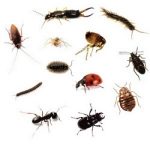
Other House Bugs
Indoor pest control is more than mice, roaches and bed bugs. There’s a world of other house bugs that you might encounter at some point or another.
Here are 15 different house bugs you’ve possibly heard of that Zoifia is able to take care of for you:
- Carpet Beetles – Carpet beetles and their larvae tend to feed on natural fibers such as wool, wood, silk and leather.
- Casemaking Clothes Moths – These moths get their names from the cigar-shaped case they make around themselves.
- Centipedes – Centipedes typically hide in dark, moist areas of your house, finding a new hiding place everyday.
- Earwigs – Earwigs usually spend their days feeding outside. However, they can find a way into your house through crevices or on plants that you bring in.
- Hide Beetles – These beetles typically feed on materials such as leather and pet food, if they can find it.
- Flies – House flies tend to carry a variety of diseases. You don’t want them landing on food, flatware, or high-touch surfaces.
- Kissing Bugs – Triatomine bugs, also known as “kissing bugs,” are blood-sucking insects that you want to avoid. They can be found in wood, under cement, in dog houses and beneath porches.
- Ladybugs – Unlike most pests, ladybugs are primarily a pest by their presence, without damaging or eating anything beneficial to humans.
- Millipedes – Millipedes, often found in damp and dark locations, do not bite or sting.
- Pantry Moths – Pantry moths can cause foul odors in your cupboards and leave webs around food packaging. They may also cause a fright if one flies out at you.
- Silverfish – Silverfish often camp out in humid, damp and dark areas of your home, such as bathrooms and basements.
- Sow Bugs – Sow bugs, also known as woodlice, are derived from marine crustaceans and actively seek out moisture.
- Spiders – While a few spiders here and there may not be cause for concern, a spider infestation is something not to ignore.
- Springtail Bugs – In large numbers, springtails can become a nuisance. They may also be an indication of underlying moisture problems in your home.
- Stink Bugs – Stink bugs produce a foul-smelling odor when they are disturbed or crushed, so kill them at your peril.
Got a problem with house bugs? Call Us (857) 880-9463 or use Contact Form
Get in Touch
Other House Bugs Resources
Frequently Asked Questions
What are possible signs of other house bugs?
You don’t need to have a rat infestation or bed bugs crawling in your covers to hire an exterminator. Ant trails, seeing spiders more often than you would like, or centipedes in the basement are signs not to ignore.
For example, centipedes —while generally harmless, other than a scarily fast set of legs and a potentially painful bite if cornered — typically prey on other house insects, so seeing centipedes may indicate a pest problem of another kind. Controlling these pests will control the centipede as they will no longer have a food source.
Different house bugs leave other signs. For example, pantry moths can cause foul odors to come from your cupboards, leaving sticky secretions and webs around food packaging and likely giving you a fright if one flies out.
What are the risks of house bugs?
House bugs bring with them different risks. House flies, for instance, tend to carry a variety of diseases, which may cause sickness in humans if they land on food, cutlery, or high-touch surfaces.
Casemaking clothes moths can damage the outfits in your closet, while a silverfish infestation is not what you want to find in your bathroom. Pantry moths may spread bacteria to your food if they set up shop in your cupboards.
Where do house bugs typically hide?
House bugs can be found in any place throughout your house. However, different types of bugs tend to prefer different environments. This means they are each more prone to take hold in different places in your house.
For example, dust mites are more commonly found in beds and rugs, while ants are often found near and inside of floorboards. Centipedes thrive in damp places such as basements, and pantry moths are typically found inside of cupboards and drawers.
For advice on how best to protect your house against a bug infestation, call on a professional pest control company for a friendly consultation.
How to identify other household bugs?
Identifying household bugs depends massively on what you’re dealing with. Most people can tell a spider when they see one (the eight legs are typically a giveaway), despite there being literally thousands of different types of spider. However, spiders are not the only eight-legged creatures on the planet or in your house. Mites also have eight legs, for example.
Then there are the six-legged Insects such as cockroaches, bed bugs and ants. Unlike spiders that have two main body parts, insects are composed of three sections: the head, the thorax and the abdomen.
Then there’s the difference between a millipede and a centipede, which is not always so clear cut if you’re walking into a darkened room and suddenly see something moving. Both have a lot of small legs on either side of their elongated body, but one moves with speed (the centipede) and the other less so.
How to get rid of household bugs
The most effective way of removing house bugs is to hire a professional. Ultimately, the decision to call an exterminator for certain household bugs depend on your comfort level and the extent of the infestation. If you’re unsure on the right course of action, it may be best to contact a professional for advice. It’s almost always better to nip a problem in the bud.
