Table of Contents
- 1. Identifying Rodent Droppings and Fecal Matter
- 2. Strange Noises in Walls, Attics, and Crawl Spaces
- 3. Gnaw Marks on Structures, Wires, and Insulation
- 4. Nesting Materials and Shredded Debris
- 5. Grease Smears, Rub Marks, and Tail Tracks
- How to Get Rid of Mice in Apartment and Prevent Rodent Infestation
- Identifying Rodent Entry Points in Houses and Sealing Structural Gaps
- Understanding Professional Pest Control Cost and Why Early Intervention Saves Money
Last Updated: August 24, 2026
7 Signs You Need Professional Rodent Extermination
Rodent infestations whisper through walls at night and leave tiny calling cards in your pantry before causing serious structural damage. By the time most homeowners recognize the problem, rodents have already established nesting sites and multiplied. Recognizing early warning signs is the difference between a simple treatment and an expensive repair. At Zoifia Pest Control, we’ve helped homeowners across the Metro Boston area identify rodent activity before it spirals into a costly problem.
Below are seven reliable indicators that you need professional help, not DIY traps or store-bought poison.
1. Identifying Rodent Droppings and Fecal Matter
The most obvious sign of rodent activity is fecal matter. Rodent droppings are small, dark pellets roughly the size of a grain of rice, typically found in clusters. Fresh droppings appear moist and dark; older ones become dry and gray.
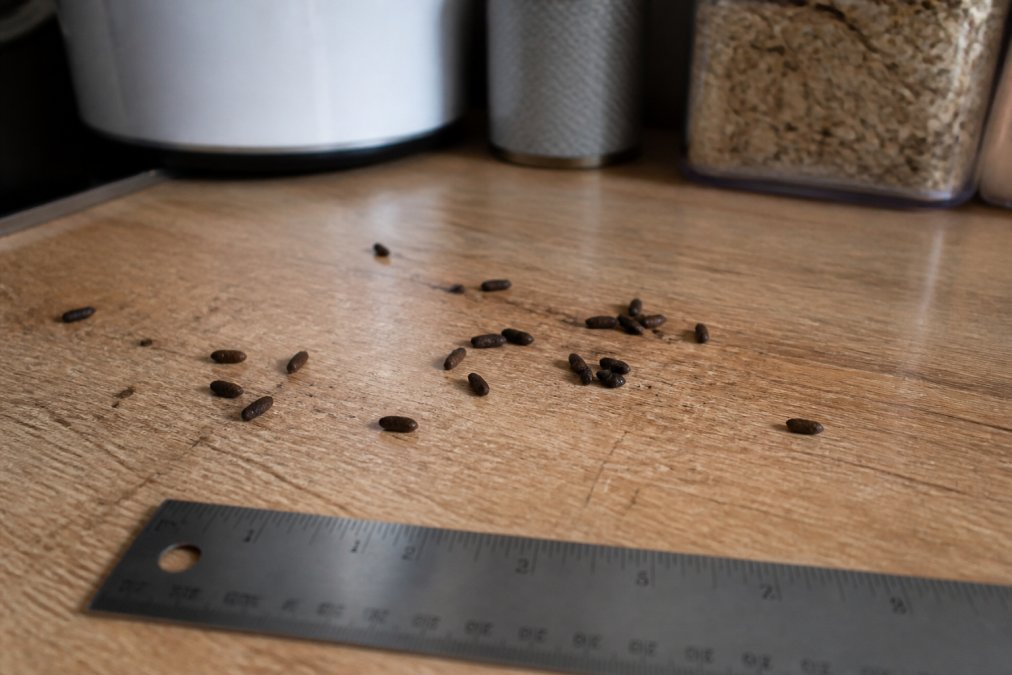
Multiple droppings in a pattern along baseboards, inside cabinets, or concentrated in corners indicate an established rodent presence. Mouse droppings are smaller than rat droppings. Mice produce roughly 50-75 droppings per day, while rats produce 20-50 (the CDC). Finding dozens of droppings in multiple locations means you’re dealing with an active, established population requiring professional intervention.
Droppings pose serious health risks. Rodent feces can carry hantavirus, salmonella, and other pathogens that become airborne when disturbed (the CDC). A professional pest control service safely handles contaminated areas with appropriate sanitation protocols.
2. Strange Noises in Walls, Attics, and Crawl Spaces
Rodents are nocturnal. Scratching, scurrying, or gnawing sounds in walls or attics between dusk and dawn indicate active infestation. These noises come from rodents moving through wall cavities, chewing on wood and insulation, or dragging nesting materials.
The location of noise is diagnostic. Sounds in the attic suggest roof rats. Noises in basement walls indicate Norway rats. Scratching within interior walls often means mice have established pathways inside your home’s structure. Once you’re hearing regular scurrying and gnawing, the population has grown significantly.
A professional pest control technician can pinpoint where rodents are active and identify the species based on noise patterns. This information is crucial for targeting treatment effectively. Generic traps placed randomly won’t work without knowing where rodents are traveling.
3. Gnaw Marks on Structures, Wires, and Insulation
Rodents must gnaw constantly because their teeth never stop growing. They chew on wood, drywall, electrical wiring, plastic, and foam insulation. Fresh gnaw marks appear as light-colored scratches revealing the material underneath.
Gnaw marks on electrical wiring are particularly dangerous, creating fire hazards and potential electrical shocks. Structural damage from gnawing can weaken floor joists, wall framing, and load-bearing elements over time. Multiple gnaw marks across different areas indicate multiple rodents or a population active for weeks or months.
4. Nesting Materials and Shredded Debris
Rodents build nests from shredded paper, fabric, plant matter, and insulation. Piles of shredded material in corners, attics, crawl spaces, or inside boxes indicate rodents are nesting and reproducing in your home.
Multiple nests in different areas indicate a growing population. Once rodents are nesting, they’ve claimed your home as their territory. Discovering active nests means the problem has progressed significantly and professional pest control is necessary to locate all nesting areas and prevent new ones from forming.
5. Grease Smears, Rub Marks, and Tail Tracks
Rodents follow the same pathways repeatedly, leaving dark smears and rub marks along surfaces from the oils and dirt on their fur. These marks appear as dark streaks along baseboards, wall edges, and inside cabinets.
Rats have long tails that drag along surfaces as they move, leaving thin, dirty lines along baseboards or shelves. These marks indicate established, repeated rodent activity accumulated over days and weeks. Rub marks help professionals map rodent highways and strategically place traps and bait stations.
6. Unusual Pet Behavior
Pets often detect rodent activity before you do. Cats may become fixated on specific walls, repeatedly staring at or pawing at baseboards. Dogs might bark or whine at walls, attics, or crawl spaces without obvious reason. Both behaviors suggest your pet has detected rodent scent or activity.
Pets bringing you dead mice or rats indicates rodents are present and active enough for your pet to encounter them. One dead rodent doesn’t mean the infestation is over. Changes in pet behavior, increased scratching, restlessness, or unusual aggression, can indicate rodent presence and stress from detecting rodent scent markers.
7. Foul Odors and Pungent Smells
Rodent urine has a distinctive ammonia-like smell. Dead rodents emit a strong odor of decay. Unusual smells in attics, basements, crawl spaces, or walls indicate infestation.
The location of odor helps identify where rodents are active. Dead rodents decompose inside walls or attic spaces, creating ongoing odor problems lasting weeks. Removing dead rodents from inaccessible areas requires professional expertise and equipment. Foul odors indicate the infestation has been active long enough for established urine-marking territories or dead rodents to be present.
How to Get Rid of Mice in Apartment and Prevent Rodent Infestation
DIY approaches like snap traps, electronic traps, and poison baits work for catching individual rodents. If you catch one mouse within a day, you might solve the problem without professional help. But if you’re finding droppings in multiple locations, hearing noises in walls, or discovering nesting materials, DIY solutions are unlikely to work.
Rodents hide in places you can’t access: wall cavities, attic spaces, and crawl spaces. A professional pest control technician has the knowledge, equipment, and access to reach these areas, seal entry points, apply treatments in inaccessible spaces, and monitor for ongoing activity.
Prevention is equally important. Rodents can squeeze through gaps as small as a dime. Finding and sealing all entry points is tedious, time-consuming work that professionals handle systematically.
For apartment dwellers, Zoifia Pest Control works with renters in older Boston-area housing stock where rodent infestation is common. A professional service can treat your unit and work with your landlord on building-wide solutions. Many landlords require professional pest control for rental properties, and professional services carry insurance protecting both you and the landlord.
| Approach | Effectiveness | Time Required | Cost | Best For |
|---|---|---|---|---|
| DIY traps/poison | Catches 1-2 rodents | Ongoing, weeks | Low upfront | Single mouse, immediate action |
| Professional treatment | Eliminates population | 1-2 visits | Higher upfront | Active infestation, structural sealing |
| DIY + prevention | Moderate success | High effort | Moderate | Preventing future infestations |
| Professional + sealing | Highest success | 2-4 visits | Highest | Eliminating and preventing reinfestation |
If you’re renting, ask your landlord about professional pest control before attempting DIY treatment. Many lease agreements require professional handling of pest issues, and professional services carry liability insurance that protects you. Zoifia Pest Control works with landlords regularly and understands the coordination required in multi-unit buildings.
Identifying Rodent Entry Points in Houses and Sealing Structural Gaps
Rodents enter homes through small openings. Common entry points include gaps around pipes and utilities, cracks in the foundation, openings where the roof meets siding, gaps around windows and doors, vents, crawl space openings, holes in siding or trim, and gaps where cables or wires enter the home.
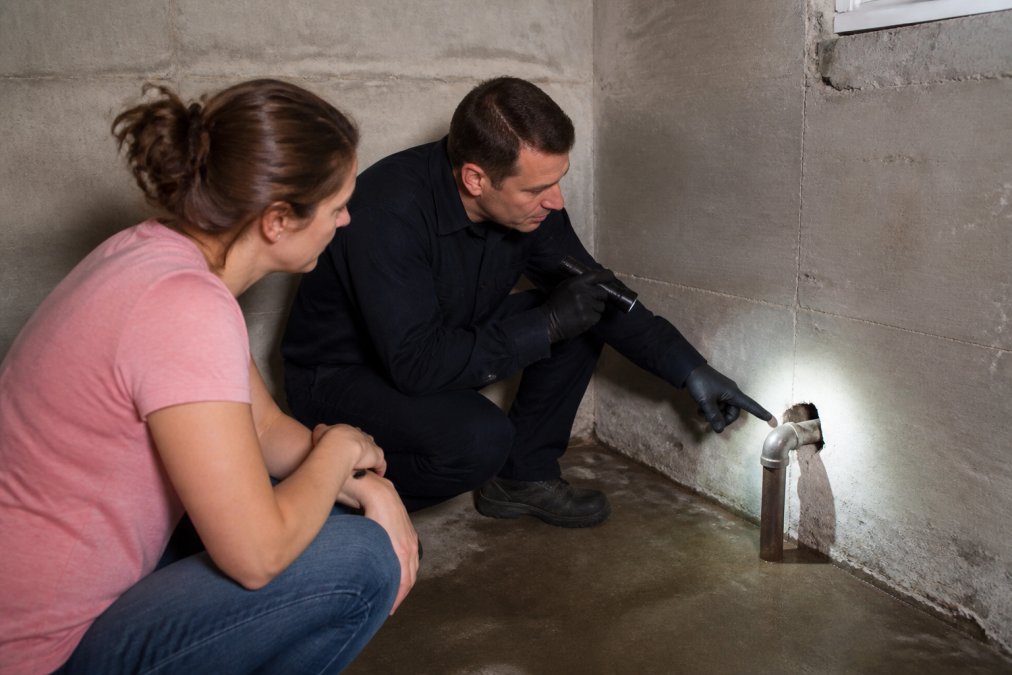
Rodents can squeeze through openings as small as a quarter inch (the FDA). Mice fit through gaps the size of a dime. A professional technician systematically inspects your home’s exterior, foundation, roof line, and utility penetrations, identifying entry points and sealing them with materials rodents can’t chew through: steel mesh, caulk, or hardware cloth.
Seasonal entry point vulnerability matters. In fall and winter, rodents actively seek shelter and food, when infestations typically begin or worsen. Spring and summer allow time for prevention work before rodent activity increases.
Sealing entry points without removing existing rodents will trap them inside your home, where they’ll continue causing damage and die in inaccessible areas. Always address the active population first, then seal entry points. Professional pest control typically involves multiple visits: removal first, then exclusion work.
Understanding Professional Pest Control Cost and Why Early Intervention Saves Money
Professional rodent extermination cost depends on home size, infestation severity, extent of entry points needing sealing, and whether structural repairs are necessary. What’s certain is that early intervention saves money. A small rodent problem treated immediately costs far less than a large infestation left untreated for months.
Early treatment prevents structural damage, contamination cleanup, and repair needs. Waiting until infestation spreads means more treatment visits, more extensive sealing work, and potential structural repairs. Rodent damage to insulation, wiring, and framing can cost thousands of dollars to repair.
Zoifia Pest Control offers a 90-day guarantee on rodent extermination services. If rodents return within 90 days, the service is repeated at no additional cost. This guarantee reflects confidence in treatment and gives homeowners peace of mind.
For renters and landlords, professional pest control is often required by lease agreements or local housing codes. The cost of professional service is far less than liability exposure from allowing infestation to continue. Property damage, tenant health issues, and potential code violations create far greater expenses than professional pest control.
Early detection and professional treatment prevent the escalation that makes rodent infestation expensive. If you’ve noticed any of the seven signs above, the time to act is now. The longer you wait, the more rodents multiply, the more damage they cause, and the more expensive the final solution becomes.
Rodent infestations don’t resolve themselves. The seven signs above indicate your home has an active rodent problem requiring professional attention. Zoifia Pest Control specializes in fast, reliable rodent extermination for homeowners and landlords across the Metro Boston area. Our licensed and insured technicians identify entry points, eliminate active populations, and seal structural vulnerabilities with a 90-day guarantee, no long-term contracts required. Get a quote from Zoifia Pest Control today and stop paying the hidden cost of delay.
Frequently Asked Questions
How many mice should I catch before calling a professional exterminator?
If you catch even one mouse, it signals an active rodent infestation worth investigating. A single mouse often means others are present in walls or hidden spaces. Don't wait to see multiple catches, one sighting or trap trigger is reason enough to contact a professional exterminator. Early action prevents the population from exploding and causing structural damage and sanitation risks.
What are the most common rodent entry points in houses?
Rodents exploit gaps around pipes, foundation cracks, vents, roof eaves, and spaces where utilities enter. Check areas where electrical lines, gas lines, or plumbing penetrate walls, these are prime rodent entry points in houses. Gaps as small as a dime allow mice to squeeze through. A professional pest control service can identify hidden entry points and seal them to prevent future infestations and structural damage.
Can a small rodent problem turn into a major infestation quickly?
Yes. Rodents reproduce rapidly, a female mouse can produce 5-10 litters per year. What starts as one or two mice can become dozens within weeks, leading to extensive nesting materials, foul odors, and serious property damage. Early intervention with professional rodent extermination stops the population before it spirals, saving you money and stress long-term.
What health risks are associated with rodent infestations?
Rodents carry pathogens including hantavirus, leptospirosis, and salmonella. Their droppings and urine contaminate surfaces and air, creating sanitation risks for your family. Rodent infestation also triggers allergies and asthma in some people. Professional pest control eliminates the infestation and reduces these health hazards, protecting your household from disease and respiratory issues.
Why does professional pest control cost less than ignoring a rodent problem?
Delaying professional rodent extermination allows mice and rats to cause extensive structural damage, chewing through wires (electrical hazard and fire risk), insulation, and wooden beams. Early professional intervention stops damage before it becomes costly. While professional pest control cost varies by property size and severity, addressing infestation early is far cheaper than repairing walls, rewiring, or dealing with health issues later.
This article was written using GrandRanker
