Table of Contents
- Why Rodent Prevention Matters on Construction Sites
- Construction Site Pest Control Requirements and Regulatory Compliance
- Developing a Rodent Control Plan for Building Permits
- Exclusion and Harborage Reduction Strategies
- Sanitation, Waste Management, and Site Maintenance
- Trapping, Monitoring, and Active Pest Management
- Seasonal Rodent Behavior and Construction Activity
- Conclusion
Last Updated: August 20, 2026
Why Rodent Prevention Matters on Construction Sites
Rodent infestations on construction sites create serious operational and legal problems that most project managers underestimate until it’s too late. A single infestation can halt work, trigger code violations, contaminate materials, and expose your company to liability. The real cost isn’t just removal, it’s the shutdown time, permit delays, and regulatory fines that follow.
Construction sites are rodent magnets. Open structures, abundant food waste, scattered debris, and multiple entry points create ideal conditions for rats and mice to establish colonies. Once they move in, they multiply rapidly and become exponentially harder to eliminate. Prevention isn’t optional, it’s the difference between a clean project and a contaminated one.
At Zoifia Pest Control, we work with construction managers across the region to implement rodent control plans before infestations take hold. The approach is straightforward: seal entry points, eliminate harborage, manage waste aggressively, and monitor continuously. This guide walks you through the exact strategies that work on active job sites.
Construction Site Pest Control Requirements and Regulatory Compliance
Your municipality requires a documented rodent control plan as part of building permits and ongoing site compliance. This isn’t a suggestion, it’s a regulatory requirement enforced by local inspectional services. Failure to maintain adequate pest prevention can result in work stoppages, permit revocation, and fines.
Most jurisdictions require contractors to demonstrate three core elements: exclusion measures (sealed entry points), sanitation practices (waste management), and active monitoring (trapping or bait stations). The specific requirements vary by local code, but the expectation is consistent: your site must remain rodent-free throughout construction.
Begin by contacting your local building department or inspectional services office to confirm current pest management standards for your project. Many municipalities provide written guidelines that detail exclusion specifications, waste containment requirements, and monitoring frequency. Document your compliance efforts from day one, inspectors will request proof of your rodent control plan during site inspections.
Your general contractor or construction manager is typically responsible for implementing the plan, though you may delegate execution to a licensed pest management professional. Either way, the liability rests with the project. Keeping detailed records of all prevention measures, monitoring activities, and any pest sightings protects you if issues arise later.
Developing a Rodent Control Plan for Building Permits
A rodent control plan for building permits must be specific, measurable, and tied to your actual site conditions. Generic templates won’t pass inspection, your plan needs to address the unique vulnerabilities of your project.
Start by conducting a thorough site assessment. Walk the entire perimeter and identify potential entry points: gaps around pipes, foundation cracks, openings under doors, damaged vents, and unsealed utility penetrations. Document each vulnerability with photos and measurements. Rodents can squeeze through openings as small as a dime, so be meticulous.
Next, map out harborage areas, places where rodents can hide and nest. These include piles of building materials, stored equipment, dense vegetation near the foundation, and cluttered interior spaces. Harborage reduction is as important as exclusion; even sealed entry points won’t help if rodents have safe nesting sites on your property.
Your written plan should include:
- A site map showing identified entry points and harborage areas
- Specific exclusion methods you’ll use (concrete barriers, metal mesh, caulk, door sweeps)
- Waste management protocol (covered dumpsters, daily cleanup, food waste containment)
- Monitoring strategy (trap placement, bait station locations, inspection frequency)
- Responsibility assignments (who implements each measure)
- Timeline for implementation (when exclusion work begins relative to other construction phases)
- Contingency procedures (what happens if rodents are detected)
Submit this plan with your building permit application. Many jurisdictions require approval before you break ground. If your plan is rejected, work with inspectional services to revise it, don’t skip this step hoping to address it later. Approved plans create a legal record of your commitment to pest prevention and protect you if problems occur despite your efforts.
Exclusion and Harborage Reduction Strategies
Exclusion is the foundation of any rodent control plan. You cannot trap your way out of an infestation if rodents can continuously enter your site. Seal entry points first, then monitor for any you missed.
Rodent Exclusion Materials for Contractors
The materials you choose determine whether your exclusion holds for the duration of construction or fails within weeks. Rodents are persistent and resourceful, they’ll gnaw through soft materials and exploit poor installations.
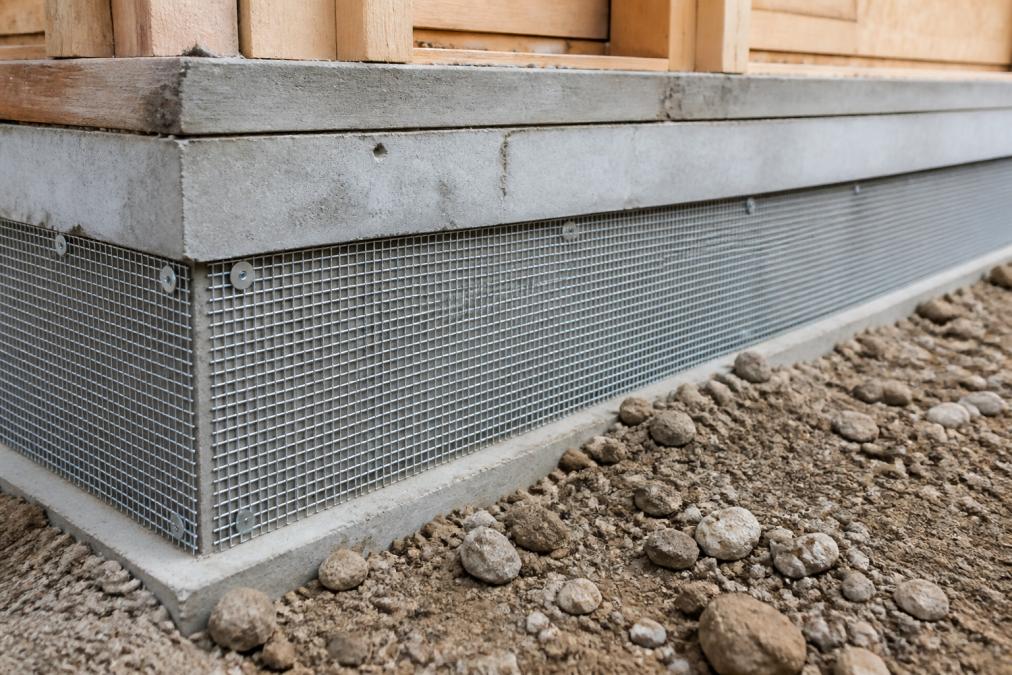
Concrete barriers are the gold standard for foundation-level exclusion. A concrete apron or skirt extending 12 inches outward from the building foundation creates a physical barrier that rodents cannot burrow under. This approach works because rodents typically burrow rather than climb, and concrete is impenetrable to their teeth. Install concrete barriers before site grading is complete if possible.
Metal mesh and hardware cloth (1/4-inch gauge or smaller) seal larger openings and vents. Rodents cannot chew through metal, making it ideal for protecting crawl space vents, foundation vents, and utility penetrations. Secure mesh with screws or nails every 2 inches to prevent gaps. Staples alone are insufficient, rodents will pry them out.
Caulk and sealant fill small cracks and gaps around pipes, electrical conduits, and foundation seams. Use polyurethane caulk or expanding foam rated for rodent exclusion. Standard caulk cracks over time and becomes ineffective. Rodent-exclusion products are specifically formulated to resist gnawing and maintain flexibility.
Door sweeps and weather stripping seal gaps under exterior doors and roll-up gates. Rodents exploit gaps as small as 1/4 inch. Install sweeps that contact the floor or ground directly with no daylight visible underneath. Replace weather stripping that compresses or deteriorates.
Trim rings and escutcheons prevent rodents from squeezing around pipes where they pass through walls or foundations. These metal or rigid plastic collars fit snugly against the pipe and are sealed to the surrounding surface, eliminating the gap rodents use to enter.
Sealing Entry Points and Structural Gaps
The execution of your exclusion strategy determines its success. Poor installation creates false security, you believe you’ve sealed the site when rodents are actually finding workarounds.
Begin with a systematic inspection. Walk the building perimeter in daylight and mark every gap, crack, or opening you can see. Then return at dusk with a flashlight to spot-check for daylight visible from inside the building, any light means a potential rodent entry. This secondary inspection catches gaps you missed on the first pass.
Prioritize foundation-level vulnerabilities. Rodents typically enter at grade level or below, not through upper-story openings. Seal the foundation perimeter completely before addressing upper areas. A single unsealed gap at the foundation undermines your entire plan.
For concrete foundations with visible cracks, use polyurethane foam or epoxy injection to fill them completely. Surface caulking alone won’t work, rodents will exploit the gap beneath the caulk. Drill out damaged areas if necessary to ensure the sealant penetrates fully.
At utility penetrations (where pipes, conduits, or cables enter the building), the gap between the utility and the surrounding material is your vulnerability. Install a trim ring that seals tightly to both the pipe and the wall, then caulk around the ring. This two-step approach prevents rodents from squeezing past.
Inspect all vents, including foundation vents, dryer vents, and range hoods. Install hardware cloth or rigid vent covers that rodents cannot compress or dislodge. Flexible duct covers are inadequate, rodents will chew through them.
Document all exclusion work with photos. Inspectional services may request visual proof that entry points were sealed. Photos create a record and help you verify your work was completed as specified in your rodent control plan.
Sanitation, Waste Management, and Site Maintenance
Exclusion stops rodents from entering, but sanitation stops them from wanting to stay. A site without accessible food and shelter is a site rodents abandon.
Construction sites generate enormous quantities of food waste, lunch scraps, spilled grain from concrete mixes, discarded packaging, and debris piles create an all-you-can-eat buffet for rodents. Eliminating this food source is as critical as sealing entry points.
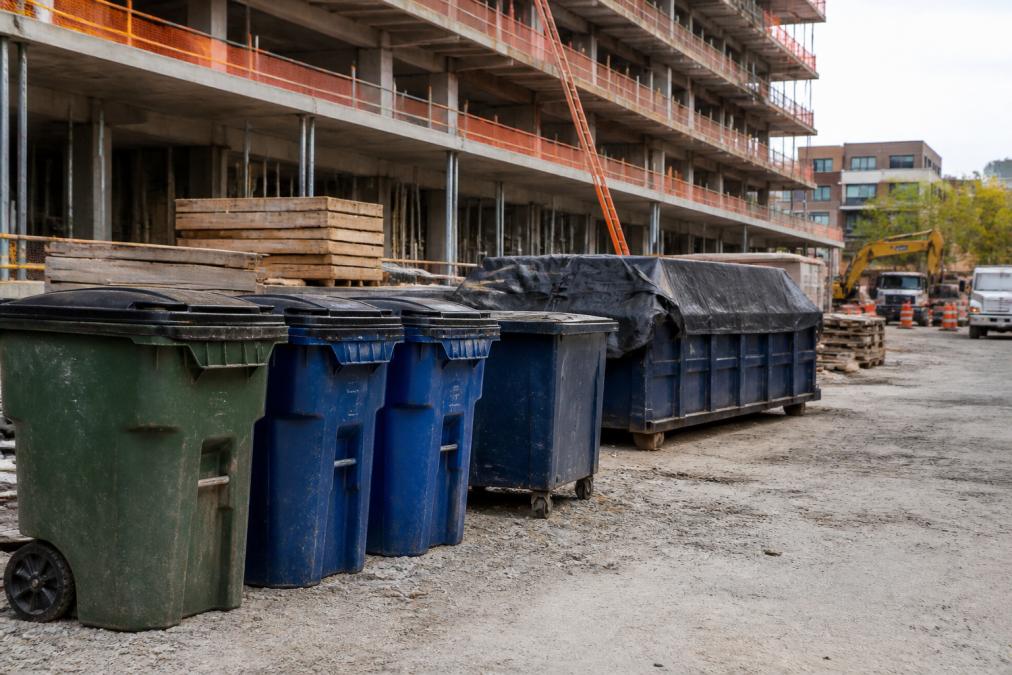
Implement a daily cleanup protocol. Assign responsibility for clearing food waste, sweeping debris from eating areas, and securing any spilled materials. Food waste should go into covered dumpsters or sealed containers, not left in open piles. Rodents can access open waste within hours of it being deposited.
Manage construction debris aggressively. Piles of scrap wood, metal, and cardboard create harborage, places where rodents nest and hide. Break down cardboard boxes immediately and remove them from the site. Stack lumber neatly in organized piles rather than scattered heaps. Remove brush and vegetation within 10 feet of the building perimeter.
Store materials off the ground when possible. Rodents nest under piles that sit directly on soil. Pallets, racks, or elevated storage prevent rodents from establishing harborage beneath stored items. Maintain at least 12 inches of clearance between stored materials and the ground.
Water sources attract rodents as much as food does. Fix leaking pipes, clear standing water, and ensure drainage systems function properly. A small leak that creates a mud puddle is enough to sustain a rodent colony.
Assign a site manager to conduct daily sanitation inspections. The responsibility should not be delegated to multiple people, accountability gets lost. One person checking the site each morning before work begins catches problems early.
Trapping, Monitoring, and Active Pest Management
Even with excellent exclusion and sanitation, some rodents may breach your defenses. Active monitoring catches infestations before they establish and proliferate.
Snap traps are the most effective monitoring tool for construction sites. They’re inexpensive, reliable, and provide clear evidence of rodent activity. Place snap traps along walls and in corners where rodents travel, they prefer running along edges rather than crossing open space. Space traps 10-15 feet apart along likely runways.
Bait stations with rodenticide are an alternative for sites where trapping isn’t practical, though they require more careful management. Bait stations must be locked or tamper-resistant to prevent accidental exposure to workers or non-target animals. If you use bait stations, place them outside the building perimeter when possible, creating a barrier that kills rodents before they reach the structure.
Inspect traps and bait stations twice weekly. A trap that hasn’t been checked in days provides no actionable information. Record all findings, dates, locations, number of rodents caught, and any new entry signs. This documentation proves your monitoring is active and helps you identify patterns.
If you catch a rodent, it signals a breach in your exclusion or an entry point you missed. Investigate immediately. Where did it enter? Are there others? Increase trap density around the capture location and recheck your exclusion in that area. A single catch is a warning; multiple catches in the same location mean your plan needs revision.
Rodent activity typically peaks during cooler months when outdoor food becomes scarce and rodents seek shelter. Increase monitoring frequency in fall and early winter. Activity often drops dramatically in summer, but don’t let that false security lapse your vigilance, the moment you stop monitoring is when infestations restart.
Seasonal Rodent Behavior and Construction Activity
Rodent behavior shifts with seasons, and construction timelines often intersect with peak rodent activity periods. Understanding these patterns helps you anticipate problems and adjust your prevention strategy.
Fall and early winter see the highest rodent pressure. As outdoor temperatures drop and natural food sources disappear, rodents actively seek indoor shelter and stored food. Construction sites with incomplete weatherization become attractive targets. If your project will be under construction during fall or winter, expect aggressive rodent activity and increase monitoring frequency.
Spring and summer see lower activity as rodents disperse outdoors to forage. However, construction activity in warm months often involves opening walls, removing debris, and creating temporary gaps in the building envelope. These disruptions can expose entry points you’ve sealed or create new ones. Maintain vigilance even when seasonal pressure is lower.
Urban construction in dense neighborhoods creates unique challenges. Rodent populations in surrounding buildings and infrastructure are often high, meaning your site is under constant pressure from nearby colonies. Exclusion and sanitation must be flawless in urban settings, marginal efforts fail quickly.
Construction corridor activity also matters. If adjacent sites are under demolition or renovation, displaced rodent populations may migrate to your site. Coordinate with neighboring projects when possible to align pest prevention efforts. A rodent-free site adjacent to an infested demolition site will eventually be compromised unless your exclusion is exceptional.
Consider the construction sequence when planning rodent control. Early site work, foundation, framing, and rough-ins, is when you have the most control over exclusion and sanitation. Later phases (interior finishing, mechanical work) involve more workers, more materials, and more potential for sanitation lapses. Plan for increased monitoring during high-activity phases.
Preventing rodent infestations on construction sites requires sustained attention and systematic execution. Exclusion stops entry, sanitation removes incentive, and monitoring catches breaches before they become infestations. The effort pays dividends, a clean project avoids regulatory problems, maintains schedule, and protects your reputation.
If your site shows signs of rodent activity or you need professional support implementing your rodent control plan, Zoifia Pest Control specializes in construction site pest management. Our licensed and insured team understands the regulatory requirements and operational constraints of active job sites. We’ll help you develop a compliant rodent control plan, execute exclusion work, and monitor throughout your project. Get a quote today and keep your site rodent-free.
Frequently Asked Questions
What are the legal requirements for rodent control at construction sites?
Construction sites must comply with local health codes and building permit conditions that typically mandate a rodent control plan, regular site inspections, and documented sanitation practices. The specific requirements depend on your jurisdiction, but most municipalities require contractors to demonstrate preventative measures including exclusion, waste management, and monitoring. Your building permit application will specify which pest management standards apply to your project. Contact your local inspectional services department to confirm exact requirements before work begins.
How often should pest control inspections occur during active construction?
Most construction sites benefit from weekly or bi-weekly pest control inspections, especially during active phases when materials and waste accumulate. If your site has documented rodent activity or is in an area with high urban rodent populations, inspections should occur weekly. Between inspections, your site manager should conduct daily visual checks for signs of infestation, droppings, or entry points. The frequency may increase during winter months when rodents actively seek shelter, or after heavy rainfall when burrowing activity increases.
What materials are effective for rodent-proofing a construction site?
Effective rodent exclusion materials include quarter-inch hardware cloth, 26-gauge steel mesh, concrete barriers, and expanding foam sealant. Rodents cannot chew through steel mesh or concrete, making these materials ideal for sealing foundation gaps and entry points. For temporary barriers during active construction, use metal flashing or steel plates. Avoid relying solely on plastic or foam, rodents can gnaw through these materials over time. Combine multiple materials for maximum effectiveness: concrete at ground level, hardware cloth for vents, and sealed penetrations where utilities enter the structure.
How do construction activities trigger rodent migration?
Demolition, excavation, and debris removal can displace rodent nesting areas and harborage, forcing populations to relocate to nearby structures or intact sections of your site. Heavy equipment operation and noise also drive rodents to seek quieter shelter. Additionally, exposed food waste, open dumpsters, and accumulated debris create new harborage opportunities that attract migrating rodents. Seasonal factors compound this: spring cleanup and fall construction acceleration coincide with rodent activity peaks. Implementing exclusion measures before demolition begins and maintaining strict waste management throughout prevents displaced populations from establishing new infestations.
This article was written using GrandRanker
