Table of Contents
- Why Rodent Control Services Matter in Metro Boston
- Signs of Rodent Infestation in Walls and Hidden Spaces
- Residential vs. Commercial Rodent Control: What’s the Difference
- Rodent Exclusion Services: Long-Term Prevention That Works
- Average Cost of Rodent Extermination and What Affects Pricing
- How to Choose a Rodent Control Service That Delivers Results
- Preventative Pest Management: Stop Rodents Before They Return
- Conclusion
Last Updated: August 16, 2026
Why Rodent Control Services Matter in Metro Boston
Rodent infestations in the Metro Boston area aren’t just a nuisance, they’re a persistent problem that affects thousands of homeowners, landlords, and business owners every year. From older Somerville apartment buildings to newer suburban homes, rodents find their way inside when temperatures drop and food sources become scarce. The damage they cause goes far beyond the visible: contaminated insulation, chewed wiring that creates fire hazards, and disease transmission through droppings and urine make rodent control services essential for protecting both property and health.
At Zoifia Pest Control, we’ve worked with properties across the region and seen firsthand how quickly a small rodent problem escalates into a full-blown infestation. What starts as occasional scratching in the walls can become dozens of mice or rats nesting in your attic, walls, and crawl spaces within weeks. The key difference between a property that stays pest-free and one that becomes a recurring problem is professional intervention combined with long-term prevention.
This guide covers everything you need to know about rodent control services in the Metro Boston area, from identifying active infestations to choosing the right service provider. Whether you’re dealing with an urgent situation or planning preventative measures, understanding your options, and what actually works, will save you time, money, and stress.
Signs of Rodent Infestation in Walls and Hidden Spaces
Rodents are nocturnal and secretive, which means you often won’t see them directly. Instead, you’ll notice the evidence they leave behind. The most telling signs of rodent infestation in walls include droppings (typically rice-sized pellets concentrated in corners or along baseboards), a distinctive musty odor that intensifies in enclosed spaces, and gnaw marks on wood framing, drywall, and electrical wiring. You may also hear scratching or scurrying sounds, especially at night or early morning when rodents are most active.
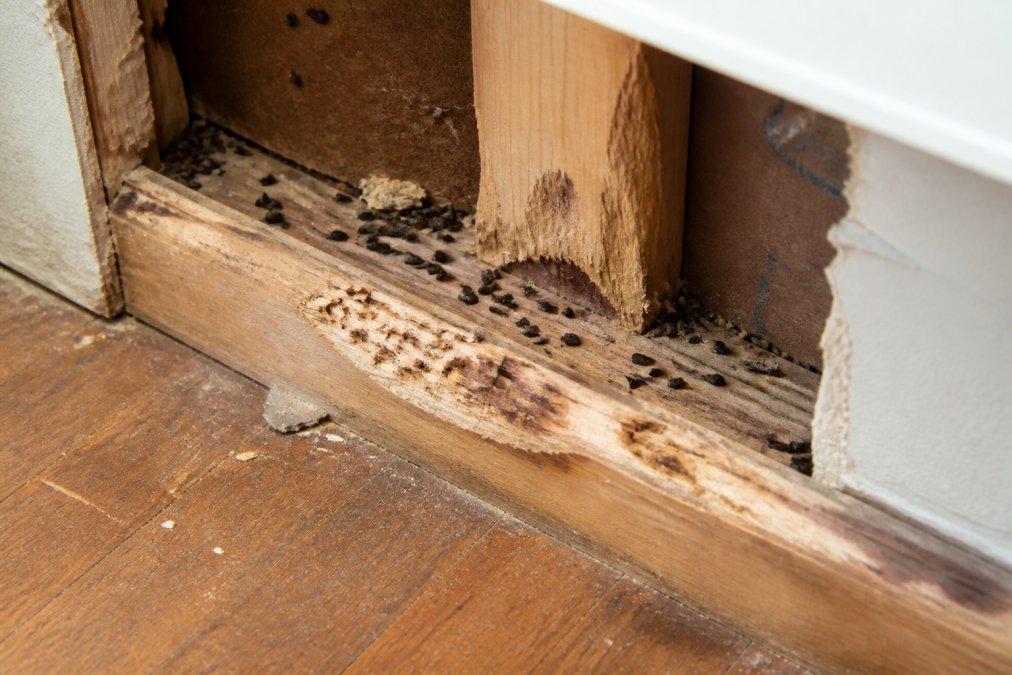
Rodent droppings are one of the most reliable indicators. Mouse droppings are small and pellet-shaped, while rat droppings are larger and more elongated. Fresh droppings appear dark and moist; older ones become dry and gray. If you find droppings in multiple locations, especially in kitchen cabinets, under sinks, or in attic spaces, you’re likely dealing with an active infestation, not just a passing visitor.
Structural damage is another critical sign. Rodents gnaw constantly to keep their teeth worn down, which means they’ll chew through wood studs, insulation, and even plastic pipes. If you notice holes in walls larger than a pencil’s diameter, damaged insulation, or exposed wiring, rodents have established themselves in your walls. This damage compromises your home’s structural integrity and creates serious fire hazards.
Odor is often the first clue in severe infestations. A strong, musky smell, especially concentrated in one area, indicates a nest or multiple rodents living within your walls. This odor comes from their urine and droppings and typically becomes more noticeable in warm, enclosed spaces like attics or crawl spaces.
Residential vs. Commercial Rodent Control: What’s the Difference
Residential rodent control services and commercial pest management address the same problem but require different approaches, timelines, and regulatory considerations. Understanding these differences helps you choose the right service for your specific situation.
Residential rodent control focuses on single-family homes, apartments, and small multi-unit buildings. The goal is typically to eliminate active infestations quickly and then implement preventative measures to stop rodents from returning. Residential treatments often use a combination of trapping, baiting, and exclusion work. Services are usually scheduled around a homeowner’s availability, and many providers offer flexible options without long-term contracts, critical for renters or homeowners who want a one-time solution.
Commercial rodent control services serve restaurants, warehouses, food processing facilities, office buildings, and other business properties. These environments present unique challenges: higher rodent pressure due to food sources, larger building footprints, and strict regulatory compliance requirements. Many commercial facilities require ongoing, documented pest management to meet health department standards and insurance requirements. Commercial contracts are typically longer and more comprehensive, with regular monitoring, quarterly treatments, and detailed service reports.
The scale of infestation often differs too. A residential property might have five to ten rodents; a commercial facility could harbor dozens or hundreds. This means commercial pest management requires more aggressive intervention strategies, including multiple entry point sealing, professional-grade baiting stations, and integrated pest management protocols that combine trapping, exclusion, and sanitation monitoring.
Cost structures also differ. Residential services are usually priced per visit or as a package deal for one-time treatment plus follow-up inspections. Commercial services typically operate on monthly or quarterly subscription models with guaranteed service levels and response times. Many commercial clients require licensed, insured technicians and comprehensive documentation, something residential customers may not prioritize but that protects both parties.
Rodent Exclusion Services: Long-Term Prevention That Works
Rodent exclusion services represent the most effective long-term approach to rodent control services because they address the root cause: access points. Rather than relying on traps and baits alone, exclusion seals the entry points that allow rodents to enter your property in the first place. This strategy transforms your home or building from a welcoming environment into a fortress that rodents cannot penetrate.
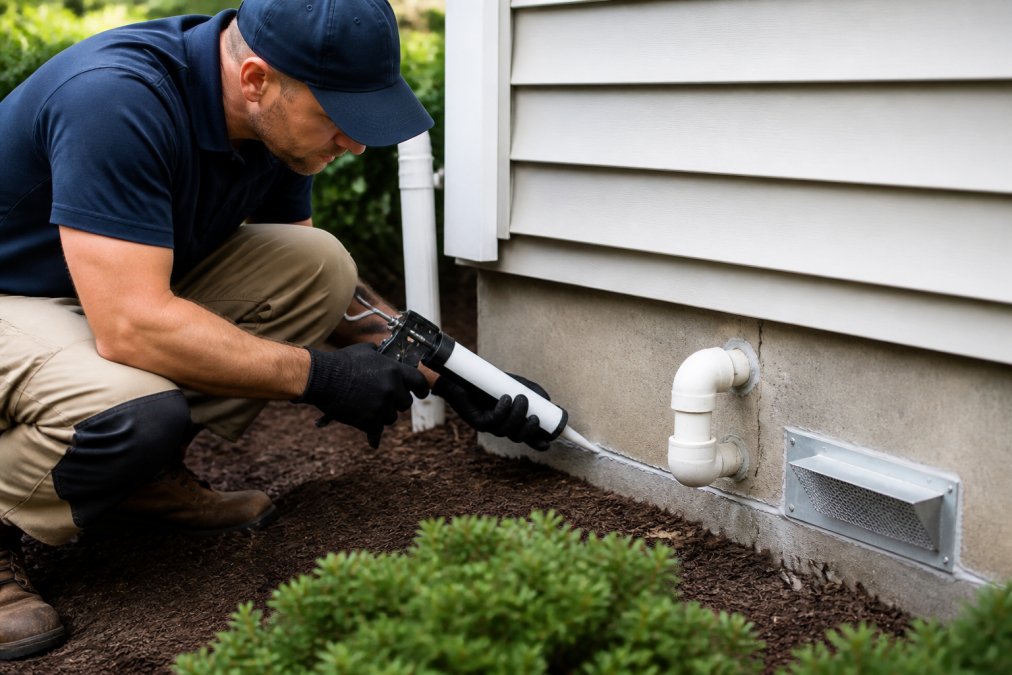
Rodents can squeeze through openings as small as a dime (for mice) or a quarter (for rats). Common entry points include gaps around pipes and utilities, cracks in foundation walls, damaged vents, gaps under doors, and holes in siding or soffit. A thorough rodent exclusion inspection identifies all these vulnerabilities. Professional technicians use materials like steel mesh, caulk, foam sealant, and hardware cloth to permanently block access.
The exclusion process typically begins with a detailed property inspection. Technicians examine the exterior foundation, roof line, vents, and all utility penetrations. They identify active entry points by looking for fresh gnaw marks, droppings trails, and rub marks where rodents have brushed against surfaces. Once entry points are cataloged, the sealing work begins, starting with the most critical areas and working systematically around the entire structure.
Quality exclusion work is meticulous and often takes multiple visits. Technicians must ensure every gap is sealed properly, which means using the right materials for each situation. Steel mesh and hardware cloth prevent rodents from chewing through; caulk and foam fill gaps but must be applied in layers so rodents can’t dig them out. Poorly executed exclusion fails quickly, which is why this work is best left to professionals with experience in rodent behavior and material selection.
The long-term value of exclusion is substantial. Once entry points are sealed and your property is rodent-proofed, you eliminate the need for ongoing trapping and baiting. Many homeowners find that a one-time exclusion investment, combined with basic sanitation practices, keeps rodents out permanently. This is why exclusion-focused companies often position themselves as offering a permanent solution rather than temporary pest management.
Average Cost of Rodent Extermination and What Affects Pricing
Rodent extermination pricing varies significantly based on property size, infestation severity, treatment method, and your location within the Metro Boston area. Understanding what drives these costs helps you evaluate quotes and avoid surprises.
Several factors influence the average cost of rodent extermination. Property size is fundamental: treating a 1,500-square-foot home costs less than treating a 5,000-square-foot commercial building. Infestation severity matters enormously, a single mouse caught early costs far less than removing an established colony of thirty rats. The treatment method also affects price: simple trapping is less expensive than comprehensive exclusion work that requires sealing multiple entry points. Geographic location within the Metro Boston region can influence costs too, as urban properties and older buildings often require more extensive work than newer suburban homes.
One-time treatments typically cost less upfront than multi-visit programs, but they often fail to prevent reinfestation. A more realistic cost-benefit analysis compares the price of a one-time treatment against the likelihood of rodents returning and requiring additional service calls. Many homeowners find that investing in exclusion work upfront, even if it costs more initially, saves money over time by eliminating repeat infestations.
For accurate pricing on rodent extermination services, request quotes from multiple providers. Quality quotes should specify what’s included: inspection, treatment method, number of visits, materials used, and any guarantees. Zoifia Pest Control provides transparent quotes without hidden fees, and our 90-day guarantee means if rodents return within that period, we return at no additional charge.
How to Choose a Rodent Control Service That Delivers Results
Choosing the right rodent control service requires evaluating several critical factors beyond price alone. A cheap service that fails to solve your problem costs more in the long run than a professional provider that eliminates rodents permanently.
Start by verifying licensing and insurance. Every technician who enters your home should be licensed by the state and carry liability insurance. Ask to see proof of both before signing any agreement. Licensed technicians have passed exams demonstrating knowledge of rodent biology, treatment methods, and safety protocols. Insurance protects you if damage occurs during service.
Next, evaluate the company’s approach to rodent control services. Do they focus primarily on trapping and baiting, or do they emphasize exclusion and prevention? Companies that prioritize long-term solutions through exclusion tend to deliver better results than those that rely solely on reactive treatments. Ask how they handle reinfestation, a quality provider should offer follow-up services or guarantees if rodents return.
Check customer reviews and ask for references. Look for patterns in feedback: do customers report that rodents stayed gone, or did problems return within months? Pay attention to comments about professionalism, communication, and whether the company explained what they were doing and why. References from local customers, especially those in similar buildings or neighborhoods, provide valuable insight into real-world results.
Understand the service structure before committing. Some companies require long-term contracts; others offer flexible, one-time treatments. Some charge by visit; others use subscription models. Your choice depends on your situation: renters typically prefer contract-free services, while property managers may benefit from ongoing maintenance agreements that include regular monitoring and preventative treatments.
Ask about guarantees. A 90-day guarantee means the company stands behind their work and will return free of charge if rodents reappear within that timeframe. This protects you and signals that the provider is confident in their methods.
Finally, trust your instincts about communication. A good rodent control service should explain what they’re doing, why they’re doing it, and what you should expect. They should answer your questions clearly and provide written estimates before starting work. If a company is evasive about methods, pricing, or guarantees, that’s a warning sign.
Preventative Pest Management: Stop Rodents Before They Return
Preventative pest management is the foundation of staying rodent-free long-term. While professional rodent control services eliminate active infestations, your actions between visits determine whether rodents return. Integrated pest management combines exclusion, sanitation, and monitoring to create an environment where rodents cannot thrive.
Sanitation is the first line of defense. Rodents are attracted to food, water, and shelter. Eliminate these by storing food in airtight containers, cleaning up crumbs and spills immediately, securing trash in sealed bins, and removing clutter where rodents could nest. Pet food should be stored in sealed containers and not left out overnight. Leaky pipes and standing water attract rodents, so fix moisture problems promptly. Remove potential nesting materials like old newspapers, cardboard, and fabric scraps from attics, basements, and storage areas.
Structural maintenance prevents rodents from entering in the first place. Seal cracks in foundation walls, repair damaged screens and vents, and install door sweeps on exterior doors. Trim tree branches and vegetation away from your roof and walls, rodents use these as highways to reach entry points. Keep gutters clean so water doesn’t pool near the foundation. These measures, combined with professional exclusion work, create a rodent-proof environment.
Monitoring catches problems early. Regularly inspect areas where rodents are likely to appear: attics, basements, crawl spaces, and areas around the foundation. Look for fresh droppings, gnaw marks, or rub marks that indicate recent activity. Early detection allows you to address small problems before they become infestations. Some homeowners place simple snap traps in strategic locations as an early-warning system, checking them monthly.
Seasonal vigilance is important in the Metro Boston area. Rodent activity increases in fall and winter as temperatures drop and rodents seek warm shelter. Increase your preventative efforts during these months: seal any new gaps, remove potential nesting materials, and monitor more frequently. Spring and summer are good times for exclusion work and structural repairs before rodent season returns.
Professional preventative treatments complement these efforts. Many pest control companies offer quarterly or annual inspections and treatments designed to maintain rodent-free status rather than react to infestations. These visits identify vulnerabilities, reinforce exclusion work, and apply preventative baiting in strategic locations. This ongoing maintenance approach aligns with integrated pest management principles and often costs less than dealing with repeated infestations.
Dealing with rodents is stressful, and the longer you wait, the worse the problem becomes. Professional rodent control services eliminate active infestations quickly, but the real solution is prevention through exclusion and sanitation. Zoifia Pest Control combines fast response, licensed technicians, comprehensive exclusion work, and a 90-day guarantee to deliver lasting results without long-term contracts. When you’re ready to stop rodents for good, get a quote from Zoifia Pest Control and take back control of your property.
Frequently Asked Questions
What does the 90-day guarantee on rodent control services actually cover?
A 90-day guarantee means if rodents return within 90 days of treatment, the pest control company will return and re-treat your property at no additional charge. This protects you from paying twice for the same problem. However, the guarantee typically covers only the specific pests treated and the areas serviced during your initial appointment. If new entry points open or you introduce rodents from outside, that may fall outside the guarantee. Always confirm the exact terms with your service provider before signing.
How can I tell if I have a rodent infestation in my home?
Common signs include droppings (dark, rice-shaped pellets) in cabinets, walls, or corners; gnaw marks on wood, wires, or food packaging; musty odors in enclosed spaces; and scratching sounds in walls or ceilings, especially at night. You may also notice grease smudges along baseboards where rodents travel repeatedly. If you spot any of these signs, contact a pest control professional for a thorough inspection. Early detection prevents infestations from spreading to multiple areas of your home.
What's the difference between DIY rodent control and hiring a professional service?
DIY methods like traps and poison work for light infestations but often fail when rodents are already inside walls or attic spaces. Professionals use integrated pest management, combining trapping, baiting, exclusion, and sanitation to eliminate current rodents and prevent future entry. They also identify hidden entry points and structural issues you'd miss. For severe infestations or older buildings common in the Metro Boston area, professional rodent exclusion services deliver lasting results that DIY approaches cannot match.
Are eco-friendly rodent control options as effective as traditional treatments?
Yes, modern eco-friendly rodent control can be equally effective. Low-toxicity baits and traps eliminate rodents safely for pets and children. Exclusion methods, sealing entry points and removing food sources, work regardless of treatment type. Many Metro Boston pest control companies now offer eco-friendly options because they reduce health risks without sacrificing results. However, effectiveness depends on the severity of the infestation and how thoroughly entry points are sealed. Discuss eco-friendly options with your service provider to ensure they match your situation.
This article was written using GrandRanker
