Table of Contents
- Emergency Rodent Removal Services in Boston: What You Need to Know
- Signs of Rodent Infestation and When to Call for Emergency Help
- How to Report a Rat Infestation to Boston 311
- Emergency Pest Control Boston Cost: What to Expect
- Best Rodent Proofing Services Boston Offers
- Choosing a Licensed Exterminator: What to Look For
- Post-Removal Sanitation and Prevention
- Conclusion
Last Updated: August 9, 2026
Emergency Rodent Removal Services in Boston: What You Need to Know
Finding evidence of rodents in your home or business demands immediate action. According to Massachusetts Department of Public Health guidelines, rodent infestations pose serious health risks, including hantavirus, leptospirosis, and salmonella transmission through contaminated surfaces and droppings. This guide covers what emergency rodent removal services boston 2026 actually involves, how to identify when you need professional help, and what separates effective pest control from companies that simply collect a check.
At Zoifia Pest Control, we’ve handled hundreds of urgent rodent situations across the Metro Boston area. The difference between a solved problem and a recurring nightmare often comes down to choosing the right exterminator and understanding what you’re paying for. Below, we’ll walk you through the warning signs that demand immediate attention, your options for reporting infestations to city authorities, what emergency pest control boston actually costs, and the specific services that prevent rodents from returning.
Signs of Rodent Infestation and When to Call for Emergency Help
Rodent infestations escalate quickly. What starts as a single mouse in your walls can become dozens within weeks. The key is recognizing the warning signs early enough that you still have options beyond emergency intervention.
Fresh droppings are the clearest indicator. Rodent droppings are small, dark, and pellet-shaped, typically found along walls, in cabinets, or near food sources. If you see them, you have an active infestation. Gnaw marks on wood, drywall, or plastic indicate ongoing activity. Rodents must constantly gnaw to keep their teeth from overgrowing, so fresh marks mean active rodents in your space right now.
Listen for scratching sounds in walls or ceilings, especially at night when rodents are most active. A single scratch might be nothing. Consistent scratching patterns suggest multiple rodents establishing nesting sites. You might also notice a musky odor in enclosed spaces like cabinets or crawl spaces. This smell intensifies as rodent populations grow.
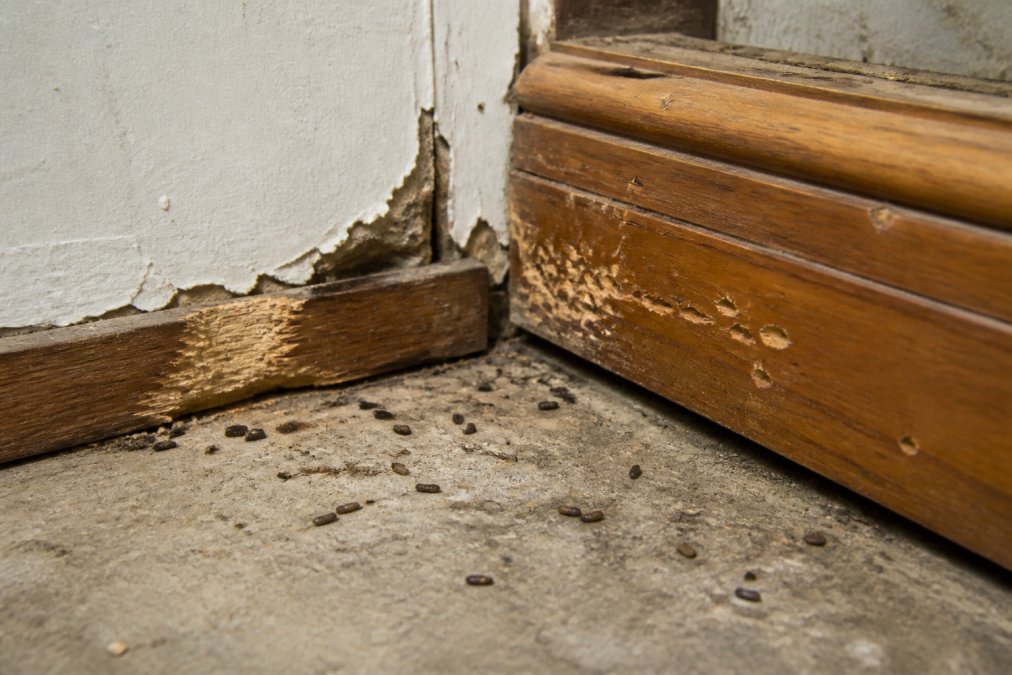
Call for emergency rodent removal services boston 2026 when you see multiple warning signs simultaneously. One dropping might be a fluke. Multiple droppings plus gnaw marks plus scratching sounds means you’re dealing with an established colony. Many homeowners wait too long, hoping the problem resolves itself. It won’t. Rodents breed rapidly, and each week of delay means exponentially more rodents to remove.
The timeline matters. If you discover evidence on a Friday evening, you’re facing a weekend where the infestation continues unchecked. This is when emergency services become necessary rather than convenient. Professional exterminators offering same-day or next-day service prevent the situation from deteriorating further while you wait for a regular appointment.
How to Report a Rat Infestation to Boston 311
Boston residents have a formal channel for reporting rodent infestations. Boston 311 is the city’s non-emergency service line for reporting public health and sanitation issues, including rat infestations. Call 311 directly from any phone in Boston, or use their online portal at boston.gov/311.
When you report how to report rat infestation boston 311, provide your address, a description of the infestation (droppings seen, rodents observed, damage noted), and whether the problem is in a residential building, commercial space, or public area. The city will dispatch an inspector to assess the situation and determine whether the building owner is responsible for remediation.
Here’s the critical distinction: Boston 311 reports create an official record that holds landlords accountable. If you’re a renter and your landlord hasn’t addressed the rodent problem, reporting through 311 creates documented evidence of the complaint. Massachusetts law requires landlords to maintain habitable premises, and rodent infestations violate that requirement. This documentation protects you if you need to pursue legal remedies or break a lease.
However, Boston 311 processes complaints on a standard timeline, not an emergency basis. If you need immediate relief, you cannot rely on the city alone. Private pest control services like Zoifia Pest Control operate on your schedule, not the city’s. Many homeowners report the infestation to 311 for legal documentation while simultaneously hiring a private exterminator to actually solve the problem.
The city’s role is enforcement and accountability. Your role is getting the infestation eliminated. These are complementary actions, not alternatives.
Emergency Pest Control Boston Cost: What to Expect
Emergency pest control boston cost varies based on infestation severity, property size, and the specific services required. Because Zoifia Pest Control doesn’t publish fixed pricing online, getting an accurate quote requires describing your situation to a technician who can assess the scope.
What you’re actually paying for matters more than the headline price. A cheap quote that includes only trapping might leave you with dead rodents in your walls and no exclusion work to prevent new ones from entering. The lowest-cost option often becomes the most expensive when you need a second treatment weeks later.
Typical emergency rodent removal involves three components. First is the inspection, where a technician identifies entry points, nesting sites, and the extent of the infestation. This determines treatment strategy. Second is the actual removal, using trapping, baiting, or exclusion depending on the situation. Third is sanitation and decontamination of affected areas, which is often where people cut corners and regret it later.
Zoifia Pest Control’s 90-day guarantee means you’re not paying again if rodents return within that window, provided you’ve followed prevention recommendations. This matters because it aligns the company’s incentive with yours: they want the problem solved permanently, not just temporarily.
When comparing quotes, ask specifically what’s included. Does the price cover entry point sealing? Does it include attic decontamination if rodents nested there? Are follow-up inspections included, or do you pay extra? A comprehensive quote that costs more upfront often delivers better value than a stripped-down quote that requires additional charges for essential work.
Best Rodent Proofing Services Boston Offers
Rodent proofing is where emergency pest control transitions into permanent prevention. After rodents are removed, the next step is making sure they can’t return. This is called exclusion work, and it’s the most effective long-term rodent prevention strategy.
Exclusion involves sealing every possible entry point rodents could use. Mice can squeeze through gaps as small as a dime. Rats need slightly larger openings but can still enter through surprisingly small holes. A thorough exclusion inspection identifies cracks in foundation, gaps around pipes, openings where utilities enter the building, damaged vents, and holes in siding.
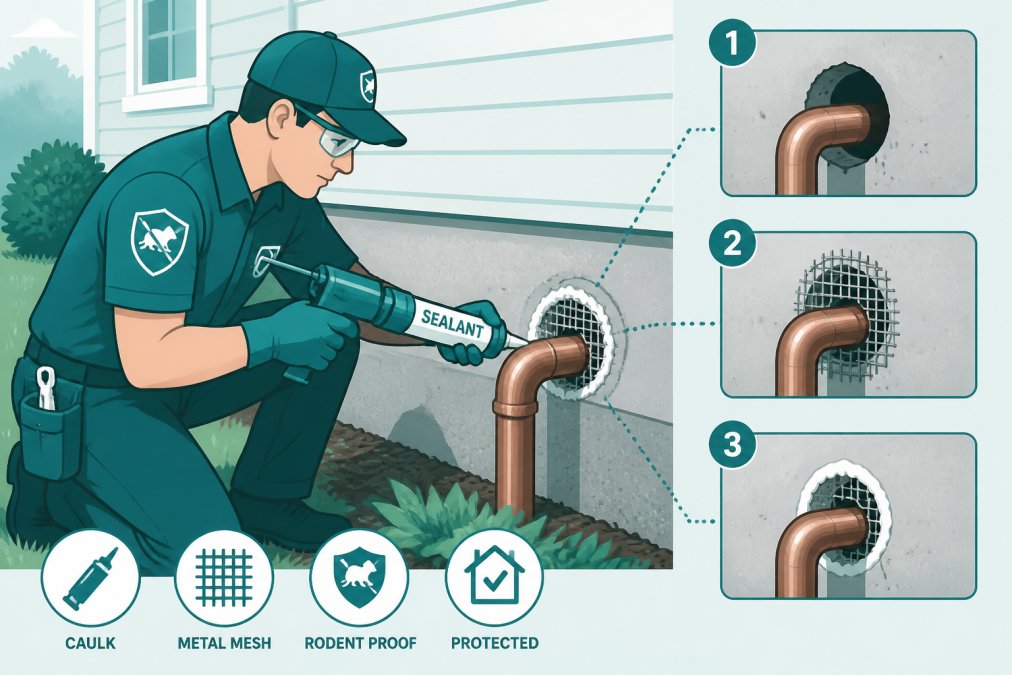
The work itself involves caulking small gaps, installing metal mesh over larger openings, repairing damaged screens and vents, and sometimes installing one-way doors that allow rodents inside to escape but prevent new entry. Metal is the preferred material because rodents cannot chew through it, unlike plastic or rubber.
Boston’s older housing stock creates specific challenges. Buildings constructed before modern building codes have more gaps and less insulation around pipes. Brick buildings with mortar joints that have deteriorated over decades offer countless entry points. This is why rodent proofing in Boston often costs more than in newer suburban developments. The work is more extensive because the buildings have more vulnerabilities.
Preventative rodent-proofing services also address conditions that attract rodents. Eliminating food sources, removing clutter where rodents can nest, and maintaining proper drainage all reduce rodent pressure. A technician should advise on these behavioral changes alongside physical exclusion work.
Choosing a Licensed Exterminator: What to Look For
Not all pest control companies are equal. Some are one-person operations working from their truck. Others are regional chains with standardized processes. Both can do good work, but they operate differently and carry different risks.
Verify licensing first. Massachusetts requires pest control applicators to be licensed by the state. Ask to see the technician’s license before they begin work. A legitimate company will have this readily available. Unlicensed operators might be cheaper, but they’re operating illegally and have no accountability if something goes wrong.
Insurance matters equally. A licensed exterminator should carry liability insurance. If a technician damages your property during treatment, their insurance covers it. If they’re uninsured and cause damage, you’re stuck paying for repairs yourself. Ask for proof of insurance before signing anything.
The 90-day guarantee that Zoifia Pest Control offers is a meaningful differentiator. It means if rodents return within 90 days, you get treatment again at no additional cost. This incentivizes thorough work because the company absorbs the cost of any failures. Companies without guarantees have less motivation to do permanent solutions.
Read reviews, but read them carefully. A company with 50 five-star reviews and zero complaints is probably filtering reviews. A company with 200 reviews and mostly positive feedback with some legitimate complaints is more trustworthy. Look for reviews mentioning specific problems and how they were resolved. "Great service, fast response" is vague. "Technician came same day, found entry points in the basement I didn’t know about, sealed them all, and we haven’t seen rodents in six months" is specific and credible.
Ask about their approach to integrated pest management. This term means using multiple strategies (exclusion, sanitation, targeted treatment) rather than just spraying chemicals everywhere. Companies serious about permanent solutions emphasize IPM. Companies primarily focused on quick fixes emphasize chemical treatments.
Post-Removal Sanitation and Prevention
After rodents are removed and entry points are sealed, sanitation is the final critical step. Rodent droppings, urine, and nesting materials contain pathogens. These remain hazardous even after the rodents are gone.
Professional decontamination involves identifying all affected areas, removing contaminated insulation or materials, treating surfaces with appropriate disinfectants, and sometimes installing new insulation. This is not a job for standard household cleaning. Rodent pathogens require specific handling to avoid spreading contamination during cleanup.
Many homeowners skip this step to save money and regret it later. Months after rodent removal, family members develop respiratory issues or other health problems traced back to contaminated dust in the attic. Proper sanitation costs more upfront but prevents these long-term health consequences.
Post-removal prevention involves ongoing vigilance. Seal food in airtight containers. Remove clutter where rodents could nest. Trim tree branches touching your roof or siding, as these provide entry highways. Fix plumbing leaks that provide water sources. These behavioral changes, combined with physical exclusion, make your property unattractive to rodents.
Seasonal rodent pressure increases in fall and winter as rodents seek shelter from cold weather. This is when preventative maintenance becomes especially important. A property that’s properly sealed and maintained will resist seasonal pressure better than one with vulnerabilities.
Some property owners schedule quarterly inspections with their pest control company to catch early signs of new activity before infestations develop. For properties with previous rodent problems, this preventative approach is far cheaper than dealing with another full infestation.
| Prevention Strategy | Frequency | Cost Level | Effectiveness |
|---|---|---|---|
| Exclusion sealing | One-time after removal | Medium | Very High |
| Sanitation/decontamination | One-time after removal | Medium | High |
| Quarterly inspections | Every 3 months | Low | High |
| Behavioral modifications (food storage, clutter removal) | Ongoing | Minimal | Medium |
| Seasonal maintenance (trimming, drainage repair) | Twice yearly | Low | Medium |
When rodent infestation strikes, the window between discovery and full colony establishment is narrow. Waiting for Monday appointments or hoping the problem resolves itself guarantees the situation worsens. Emergency rodent removal services boston 2026 exist because rodents don’t respect business hours. Zoifia Pest Control offers licensed, insured technicians with same-day availability, a 90-day guarantee backing every job, and no long-term contracts locking you into recurring service you might not need. Get a quote from Zoifia Pest Control and eliminate the infestation before it spreads beyond control.
Frequently Asked Questions
How quickly can emergency rodent removal services respond in Boston?
Response times vary by provider, but many Boston-area emergency pest control services offer same-day or next-day appointments for urgent infestations. Some companies provide 24/7 emergency availability. When calling, ask specifically about their current response time and whether they can dispatch a technician the same day. Faster response is critical because rodents reproduce quickly and can cause structural damage and spread disease within days.
How do I report a rat infestation to Boston 311?
Contact Boston 311 by calling 311 from any phone in the city or visiting the city's website to submit a request online. Report the location of the infestation, whether it's in your home, building, or on the street. Boston 311 will dispatch the appropriate city department to investigate. Note that city response is for public health hazards; for your own property, you'll need to hire a licensed pest control company for removal and treatment.
What does the 5-day rule for mice infestations mean?
The 5-day rule refers to the time frame in which mice can cause significant damage and spread disease. Mice reproduce rapidly and can establish nesting colonies within days. If you see signs of mice, droppings, gnaw marks, or hear scratching, contact a pest control service within 5 days to prevent the infestation from worsening. Delaying treatment allows populations to grow exponentially, making removal more expensive and difficult.
What's included in emergency pest control Boston pricing?
Pricing depends on the severity of infestation, property size, and treatment method. Most emergency services charge for the initial inspection and treatment visit. Some companies offer flat rates for emergency calls, while others use quote-based pricing. Always ask whether follow-up visits, exclusion work, and sanitation are included or charged separately. Request a detailed estimate before service to avoid hidden fees. Many providers offer no-contract options for one-time emergency treatments.
This article was written using GrandRanker
