Table of Contents
- Why Pest Control Is Required for Demolition Permits
- Public Health and Safety Justifications
- Licensed Pest Control Operator Requirements
- Understanding the Rodent Abatement Report for Demolition
- How to Get a Rodent Abatement Letter
- The Pest Inspection and Certification Process
- Cost Breakdown and Timeline for Pest Abatement
- What Happens if Pests Are Found During Inspection
Last Updated: August 14, 2026
Why Pest Control Is Required for Demolition Permits
Pest control for demolition permits is a legal requirement in most U.S. jurisdictions. Before a structure comes down, any pest infestation must be addressed to prevent rodents, insects, and other pests from migrating to adjacent properties and spreading the problem to neighboring buildings.
Demolition creates chaos. When walls come down and structures are exposed, pests that have nested inside scatter into surrounding properties, creating a public health crisis. Building codes and local health departments mandate that pest control for demolition permits be completed before any demolition work begins. The process involves inspection, certification, and documented treatment, all designed to protect public health and your legal standing.
Public Health and Safety Justifications
The public health case for pest control during demolition is compelling. Rodents and cockroaches carry diseases and contaminate food sources. When a building is demolished without proper pest abatement, these animals relocate to nearby properties, creating a domino effect of infestation spreading through an entire neighborhood.
Building codes recognize this risk because structural demolition is one of the highest-risk moments for pest migration. Walls that contained infestations are breached, floor cavities are exposed, and crawl spaces are opened. Every gap becomes an escape route for pests seeking new shelter.
The sanitation aspect is equally important. Rodents leave droppings, urine, and nesting material throughout a structure. When demolition equipment tears through walls and floors, these contaminants become airborne and spread. Licensed pest control operators understand how to contain and safely remove this biological hazard before demolition begins.
Local health departments enforce these rules because a single untreated building can infest an entire block. That’s why most jurisdictions require documented pest control for demolition permits as a condition of the demolition permit itself.
Licensed Pest Control Operator Requirements
Not every pest control company can handle demolition-related pest control. Your contractor must hire a licensed pest control operator with specific credentials and training in rodent abatement and structural pest management.
A licensed pest control operator has met state-specific requirements that typically include classroom training, hands-on experience, and passing a certification exam. They understand building codes, can identify pest activity in different structural conditions, and perform treatments that meet regulatory standards. They also carry liability insurance and maintain records of their work, documentation you’ll need for your demolition permit.
When you hire a licensed operator, you’re getting someone who understands the regulatory landscape and knows what inspectors expect to see. Our team is licensed and insured, which protects both you and the surrounding properties.
Understanding the Rodent Abatement Report for Demolition
A rodent abatement report for demolition is the formal document that proves pest control work was completed before demolition began. This report is your legal protection and the building inspector’s verification that the property is safe to demolish.
The report typically includes:
- Site assessment documentation – A detailed inspection of the building’s interior, exterior, crawl space, and foundation noting any signs of rodent activity, droppings, nesting, or damage
- Treatment methods applied – Specific techniques used to eliminate pests, including baiting, trapping, or structural repairs
- Chemicals or materials used – A list of approved pest control products applied, with safety data
- Certification statement – The licensed operator’s signature and license number confirming the work meets local code requirements
- Timeline – When the inspection and treatment occurred relative to the demolition date
The report becomes part of your demolition permit file. Inspectors review it to confirm that the property received professional pest control before work began. A rodent abatement report for demolition is more formal and detailed than a standard pest control service report, specifically designed to meet demolition permit requirements.
How to Get a Rodent Abatement Letter
A rodent abatement letter is the formal certification from a licensed pest control operator stating that pest control work has been completed on your property. Here’s how to obtain one:
Step 1: Hire a Licensed Pest Control Operator
Contact a pest control company licensed in your state. Ask specifically about their experience with demolition permits and rodent abatement.
Step 2: Schedule a Site Assessment
The operator will visit your property to inspect for pest activity, examining the building interior, exterior, foundation, crawl space, and any accessory structures.
Step 3: Authorize Treatment
Once the assessment is complete, the operator will recommend treatment methods. You’ll authorize the work and schedule treatment dates.
Step 4: Complete the Treatment
The licensed operator applies pest control methods according to the plan, documenting everything they do.
Step 5: Request the Formal Letter
After treatment is complete and the operator confirms the property is clear of pest activity, request the formal rodent abatement letter. This letter should include the operator’s license number, the property address, treatment dates, methods used, and a statement that the property meets pest control requirements for demolition.
Step 6: Submit to Your Building Department
Provide the rodent abatement letter to your local building department as part of your demolition permit application.
The timeline for getting a rodent abatement letter typically takes 1-2 weeks from initial inspection to final letter.
The Pest Inspection and Certification Process
The pest inspection for demolition is a formal process that goes beyond a standard pest control visit. It’s a detailed assessment designed to identify all pest activity and verify that the structure is safe for demolition.
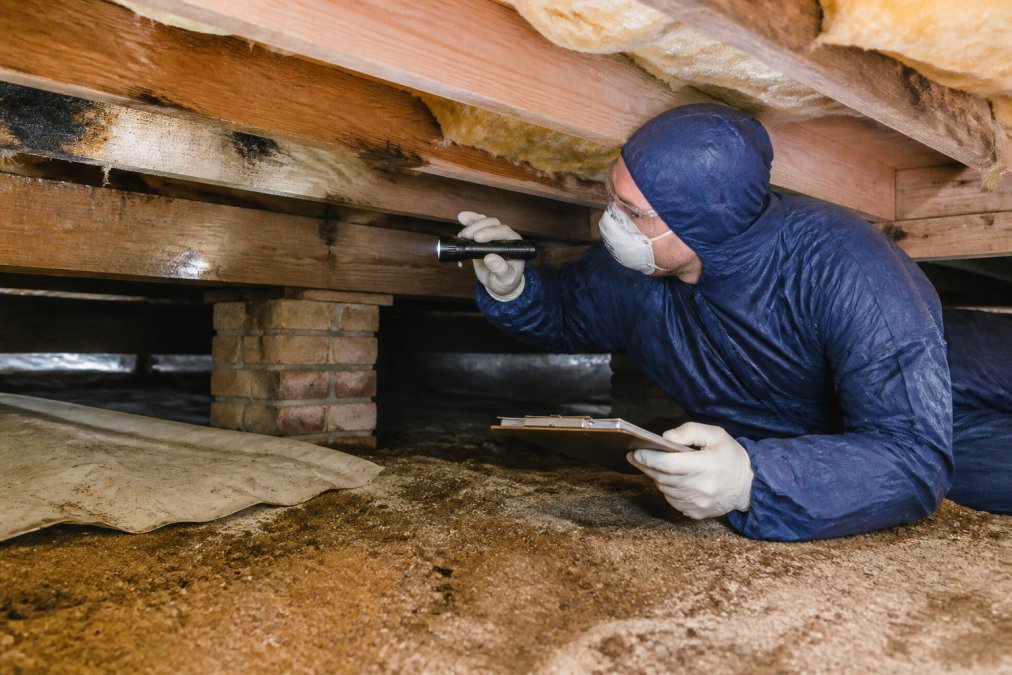
The licensed pest control operator begins with a thorough site assessment, inspecting the building’s interior rooms, basement, crawl space, attic, exterior foundation, and any accessory structures. They look for rodent droppings, nesting material, gnaw marks, entry points, and evidence of pest activity. They also assess structural damage caused by pests.
During the inspection, the operator documents their findings in detail through photographs, measurements, and written notes. They identify which areas require treatment and which treatment methods are appropriate.
After treatment is complete, a follow-up inspection confirms that pest activity has been eliminated. Only after this confirmation does the operator issue the certification report, which includes the operator’s professional license number, treatment dates, methods used, and a statement that the property meets local pest control requirements for demolition.
The entire process typically takes 7-14 days depending on the property’s condition and local requirements.
Cost Breakdown and Timeline for Pest Abatement
Understanding the cost structure and timeline for pest abatement helps you plan your demolition project accurately. Costs vary significantly based on the property’s size, infestation severity, and required treatment methods.
Pest abatement costs typically include:
- Initial inspection and site assessment – The licensed operator’s first visit to evaluate pest activity and determine treatment needs
- Treatment application – Labor and materials for rodent abatement, trapping, baiting, or structural repairs
- Follow-up visits – Additional inspections to confirm pest elimination
- Certification report – The formal documentation required for your demolition permit
The timeline for pest abatement generally follows this pattern:
| Phase | Duration | What Happens |
|---|---|---|
| Initial inspection | 1-2 days | Licensed operator assesses property and pest activity |
| Treatment plan | 1-3 days | Operator recommends methods and scheduling |
| First treatment | 1-3 days | Pest control application begins |
| Follow-up treatment | 5-7 days after first | Additional visits if needed for severe infestations |
| Final inspection | 7-10 days after treatment | Verification that pests are eliminated |
| Certification report | 1-2 days after final inspection | Formal rodent abatement letter issued |
The total timeline from initial inspection to final certification typically ranges from 10-21 days. Costs depend on your property’s specifics, with larger commercial buildings or severe infestations costing more than small residential properties with minor infestations.
What Happens if Pests Are Found During Inspection
Finding pests during the pre-demolition inspection is the reason the inspection exists. The question isn’t whether pests will be found, but how severe the infestation is and what treatment will be required.
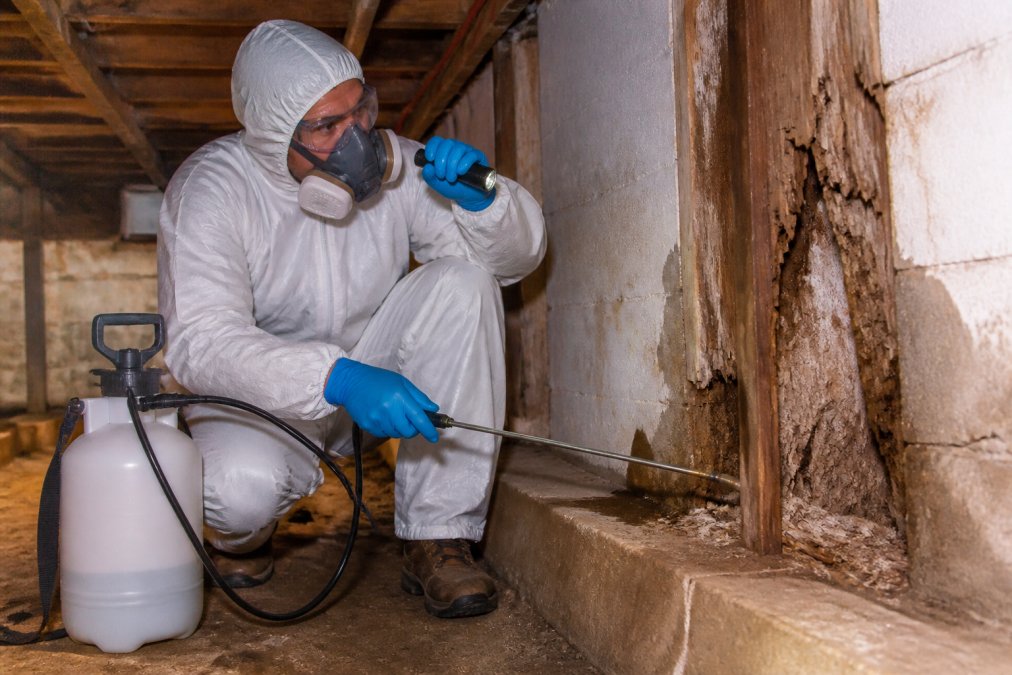
When a licensed pest control operator discovers pest activity, they immediately document the findings through photographs and written notes. They assess structural damage the pests have caused and develop a treatment plan specific to what they found.
The critical step is documenting the treatment. The operator records which areas were treated, what methods were used, what chemicals or materials were applied, and when the work was completed. This documentation proves to the building inspector that the infestation was identified and addressed before demolition began.
After treatment, a follow-up inspection confirms that pest activity has been eliminated. The process continues until the operator confirms the property is clear. Only after pest elimination is verified does the operator issue the final certification.
If pests are found during inspection and not properly treated before demolition, you face serious consequences including delayed or denied demolition permits, liability if pests migrate to adjacent properties, and potential fines from your local health department. Proper treatment when pests are discovered prevents all of these problems.
Pest control for demolition permits protects your project timeline, your legal standing, and your community. Getting ahead of this requirement, hiring a licensed pest control operator early, completing the inspection and treatment, and obtaining your rodent abatement letter, ensures your demolition permit application moves forward without delays.
Zoifia Pest Control specializes in helping contractors and property managers navigate this process. Our licensed team completes thorough inspections, applies effective pest control treatment, and provides the formal certification documentation your building department requires. We understand local code requirements and deliver results backed by our 90-day guarantee. Get A Quote to schedule your pre-demolition pest inspection and move your project forward with confidence.
Frequently Asked Questions
What is a rodent abatement report for demolition?
A rodent abatement report for demolition is an official document prepared by a licensed pest control operator that certifies a property has been inspected for rodent infestation and treated if necessary. The report documents the extent of any pest activity, treatment methods used, and confirms regulatory compliance with building codes. This certification is required by most jurisdictions before a demolition permit can be issued, protecting public health and preventing pest migration to adjacent properties during the demolition process.
How long before demolition should pest control be performed?
Pest control should typically be performed 15 days or fewer before demolition begins, depending on local building code requirements. This timeline ensures that any pest activity is identified and treated while the treatment remains effective. The exact window varies by jurisdiction, so check with your local environmental division or building department. The licensed pest control operator will coordinate timing to align with your demolition schedule while meeting regulatory deadlines.
Do I need a professional exterminator for the pest inspection, or can I do it myself?
You must hire a licensed pest control operator to conduct the inspection and prepare the required certification report. Building codes and demolition permit requirements mandate that only licensed professionals can perform this work and sign off on the abatement report. A licensed professional has the training to identify pest activity in crawl spaces, wall voids, and other hidden areas that untrained inspectors would miss. Self-inspection does not satisfy regulatory compliance and will delay or prevent your demolition permit approval.
What happens if pests are found during the pre-demolition inspection?
If pests are discovered, the licensed pest control operator will recommend and perform appropriate extermination and mitigation treatments before demolition begins. Treatment typically includes targeted applications in infested areas, sanitation measures, and exclusion work to prevent pest spread to neighboring properties. Once treatment is complete and the property is verified pest-free, the operator issues the certification report needed for your demolition permit. The timeline may extend by 1-2 weeks depending on the extent of infestation and treatment required.
This article was written using GrandRanker
