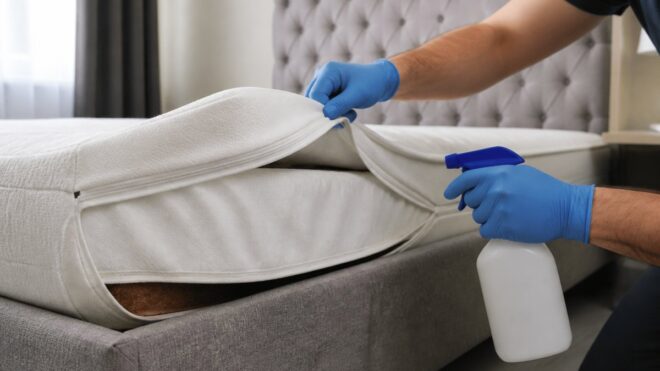
Table of Contents
- Understand Your Treatment Plan and What to Expect
- How Long After Bed Bug Treatment to Clean Your Home
- Washing Clothes and Bedding After Bed Bug Treatment
- Signs of Bed Bugs After Treatment and What They Mean
- When to Schedule a Bed Bug Follow-Up Treatment
- Prevention Steps to Stop Bed Bugs from Returning
- Monitoring for Bed Bugs After Professional Treatment
- Frequently Asked Questions
Last Updated: October 17, 2026
Understand Your Treatment Plan and What to Expect
Professional bed bug treatment works, but success depends on what happens after the technician leaves, your actions to prevent bed bugs after treatment are critical. At Zoifia Pest Control, homeowners who follow post-treatment instructions carefully see dramatically better results.
Your pest control professional will explain the treatment method used: chemical, heat, or a combination.
The treatment creates conditions that kill bed bugs; your job is to maintain them and prevent reinfestation by understanding the timeline for results, expected activity, and when follow-ups become necessary.
Most properties require a follow-up visit 7-14 days after the initial treatment, allowing newly hatched nymphs to contact treated surfaces before they mature.
Ask your technician for written instructions before they leave. Take photos of the treatment areas and note the date and time. This documentation helps you track progress and proves treatment was completed if you need to file an insurance claim.
How Long After Bed Bug Treatment to Clean Your Home
There is no single waiting period for every bed bug treatment. The right time to vacuum, wipe surfaces, and resume cleaning depends on the method, product, and placement. Cleaning too soon can remove residual insecticide before it works; waiting too long leaves debris that makes it harder to tell new activity from old. Ask your technician which scenario matches your treatment.
After a Chemical (Residual Insecticide) Treatment
Most residual liquid and dust applications need time to dry and stay undisturbed. Avoid vacuuming treated floors, baseboards, and furniture for at least 24 to 48 hours, sometimes longer for cracks, crevices, and void treatments. During that window:
- Keep children and pets out of treated rooms until surfaces are dry.
- Do not mop, scrub, or use household cleaners on treated baseboards, bed frames, or the lower edges of walls.
- Do not move furniture back against treated baseboards until the technician clears it.
- Leave dust applied in wall voids, outlet plates, and behind baseboards in place; it is intended to stay there.
Once the waiting period ends, vacuum as described below, but avoid wet-wiping areas where dust or residual liquid was deliberately applied. If unsure which surfaces were treated, ask before you clean.
After a Heat Treatment
Heat treatments raise room and furniture temperatures high enough to kill bed bugs at all life stages and leave little or no residual pesticide. Re-entry is usually allowed once the technician confirms the structure has cooled, often within a few hours, but do not re-enter until you are told it is safe. Because there is no residual product to protect against survivors, vacuum dead bugs and debris promptly after re-entry and begin weekly inspections right away.
After a Combined Heat and Chemical Treatment
Combined treatments are common because heat drives bed bugs out of hiding and residual product catches survivors and newly hatched nymphs. Treat the cleaning timeline as the stricter of the two: wait for heat re-entry clearance, then observe the chemical waiting period on any surface that received residual product.
What to Clean Once the Waiting Period Ends
- Vacuum mattresses, box springs, bed frames, upholstered furniture, carpet edges, and baseboards. Use a crevice tool on seams, piping, and the folds of the box spring.
- Seal the vacuum bag or empty the canister into a plastic bag, tie it closed, and dispose of it in an outdoor trash container immediately.
- Wipe non-fabric surfaces such as nightstands and dressers with a damp cloth to remove fecal spots and dead bugs, but avoid wet-wiping surfaces where dust or residual liquid was applied.
- Wash bedding, pillowcases, and bed skirts in hot water and dry on high heat, as described in the laundry section below.
Do not use foggers, total-release aerosols, or store-bought pesticide sprays after a professional treatment. They can interfere with the applied product, drive bed bugs deeper into walls, and create health hazards. Wait for your technician’s approval before using any pest control product.
Photograph treated areas before you clean and note the date. If activity continues, those photos help your provider determine whether the product was disturbed, whether the application missed a harborage, or whether a follow-up with a different method is warranted.
Washing Clothes and Bedding After Bed Bug Treatment
Bed bugs hide in fabric and can survive for months without feeding. Washing and drying clothes at high temperatures is one of the most effective ways to kill them. Every piece of fabric in infested rooms needs treatment.
Heat Treatment for Infested Items
Heat kills bed bugs at all life stages.
Items that cannot be washed should be sealed in a bag and frozen at 0°F or below for at least 4 days, or placed bagged in a hot car on a sunny day where internal temperatures exceed 130°F for several hours.
Do not dry clean infested clothing. Dry cleaning chemicals do not reliably kill bed bugs. Heat treatment is the only reliable method for fabric items.
Bagging and Isolation Protocol
Before washing, place all potentially infested items in sealed plastic bags to prevent bed bugs from spreading to clean areas.
Transport sealed bags directly from the bedroom to the washing machine, washing one bag at a time.
Keep clean items separate from untreated items, using different closets or storage areas if possible. This isolation prevents contamination and makes it easier to track which items have been processed.
Signs of Bed Bugs After Treatment and What They Mean
Seeing a bed bug after treatment is common and usually not a sign of failure. What matters is what you see, how many, and when. The timeline below reflects the pattern most pest management professionals describe after a properly performed treatment with a scheduled follow-up.
Days 1-3: Expected Activity
It is normal to find live bed bugs in the first few days. Treated bugs may become disoriented, move slowly, or wander into open areas before dying; do not squash or chase them, and let them contact treated surfaces. You may find more bugs than before treatment because the product and disruption drive them out of harborage, this is not evidence of failure.
Days 4-14: The Follow-Up Window
Activity often drops but does not stop. Eggs that survived the initial application hatch during this period, and the newly hatched nymphs are the target of the follow-up visit. A small number of live bugs, cast skins, or new fecal spots is consistent with a treatment that is working. This is when the follow-up should occur, typically 7 to 14 days after the first application.
Weeks 2-8: What Normal Looks Like
After the follow-up, sightings should become rare. An occasional dead bug or a single live bug near a treated harborage can still appear as residual activity works through the population. Bites may continue briefly for sensitive people, and existing reactions can take a week or more to fade. New bites alone are not proof of an active infestation, because reactions can be delayed and other insects can bite.
When a Sighting Means Something Else
Call your provider promptly if any of the following occur:
- You find multiple live, active bugs in more than one room after the follow-up visit.
- You find live bugs in a room that was not treated.
- You see new fecal spots or cast skins accumulating in a treated area after the follow-up.
- Activity continues at the same level two weeks after the follow-up.
How to Document Sightings
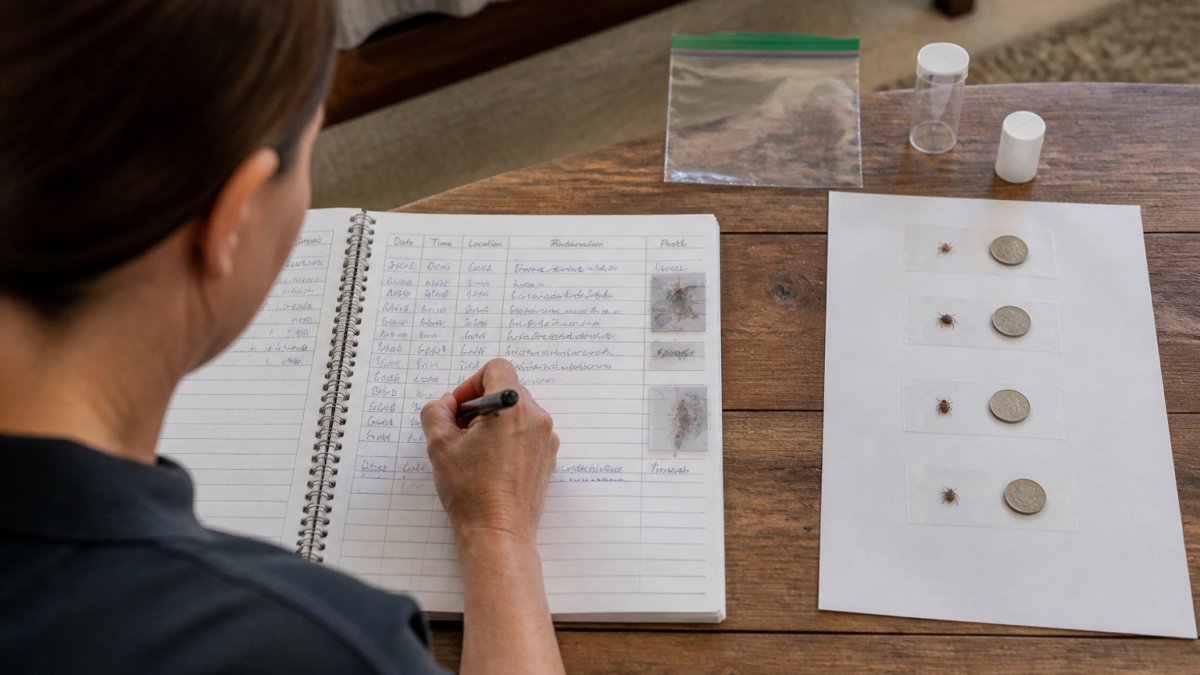
Accurate records let your provider adjust the treatment instead of working blind. For each sighting, note the date, room, specific location (mattress seam, box spring corner, baseboard behind the headboard), whether the bug was alive or dead, and whether you saw one or several. Save a specimen in a sealed bag or small jar if safe, photograph it next to a coin or ruler for scale, and share the log with your technician before the follow-up visit.
One or two live bugs in the first two weeks, especially slow-moving ones, is expected. Dozens of active bugs after the follow-up, or activity in a previously unaffected room, is the signal to call for reassessment. Document everything and keep the follow-up appointment.
When to Schedule a Bed Bug Follow-Up Treatment
Follow-up treatment is essential for eliminating bed bugs completely. Schedule this appointment before the initial treatment is completed.
This timing targets bed bug eggs that survived the initial treatment.
Some infestations require three or more treatments spaced 7-14 days apart.
If you see signs of bed bugs after the follow-up treatment, contact your pest control provider immediately.
Prevention Steps to Stop Bed Bugs from Returning
Bed bugs can return even after successful treatment, which is why knowing how to prevent bed bugs after treatment is essential. Prevention requires ongoing attention, and the steps you take now determine whether you’ll face another infestation months or years later.
Seal Cracks and Crevices
Bed bugs hide in tiny spaces. Seal cracks in walls, baseboards, and around door frames using caulk or sealant.
Inspect headboards, bed frames, and nightstands for gaps, and caulk any openings where bed bugs could hide.
Pay attention to where pipes enter walls and where furniture meets the floor; these transition points are common entry points for bed bugs.
Use Mattress and Box Spring Encasements
Mattress and box spring encasements trap bed bugs inside and prevent new bugs from entering.
Install encasements on all mattresses and box springs in the home, not just the infested bedroom, to prevent spread to other sleeping areas.
Leave encasements in place for at least one year so any trapped bed bugs die completely. After one year, inspect for tears or damage before removing.
Reduce Clutter and Monitor Regularly
Clutter provides hiding places for bed bugs. Remove items stored under beds, in closets, and on floors. Keep only necessary items in sleeping areas.
Inspect sleeping areas weekly for fecal spots, shed skins, and live bugs on mattresses, box springs, and bed frames, using a flashlight to see into crevices and seams.
Check other areas where people sleep or rest, including couches, recliners, and guest beds. Bed bugs can infest any sleeping surface, not just bedrooms.
Monitoring for Bed Bugs After Professional Treatment
Monitoring is your best defense against reinfestation, catching bed bugs early before they spread throughout your home.
Inspect your sleeping area at least once per week for the first month after treatment.
Keep a log of what you find and when, recording the date, location, and observation.
Inspect hotel rooms before unpacking, looking for fecal spots on mattresses and headboards.
Bed bug treatment works when you follow through with aftercare.
Frequently Asked Questions
Is it normal to still see bed bugs after professional treatment?
Yes, it’s common to spot bed bugs for several days after treatment, especially if your pest control company used a residual insecticide. Surviving bugs may move more visibly as they’re affected by the treatment. However, live bugs should decrease rapidly within 3-7 days. If you see large numbers of live bugs after a week, contact your pest control provider immediately, this may indicate treatment failure or require a follow-up application.
How long after bed bug treatment should I wait to clean?
Wait at least 24-48 hours before vacuuming or washing surfaces, depending on the treatment method used. Your pest control technician will provide specific re-entry instructions; follow those exactly. Cleaning too soon can remove the residual insecticide and reduce treatment effectiveness. After the waiting period, vacuum thoroughly, including mattresses, box springs, and furniture, to remove dead bugs and eggs.
What should I do with my clothes and bedding after bed bug treatment?
Wash all bedding, pillowcases, and clothing in hot water (at least 130°F) and dry on high heat for 30 minutes. This kills any bed bugs, nymphs, and eggs. Items that cannot be washed should be sealed in plastic bags for at least 18 months or treated in a professional dryer at high heat. Do not move items between rooms before treatment; isolation prevents reinfestation in other areas of your home.
When should I call for a bed bug follow-up treatment?
Contact your pest control company if you spot live bed bugs 7-10 days after treatment, notice new bites, or see fecal spots and shed skins in sleeping areas. Many professional treatments include follow-up visits at no extra cost as part of their guarantee. Zoifia’s 90-day guarantee covers reinfestation within that window, so reach out immediately if activity continues, do not wait or attempt DIY retreatment.
