Table of Contents
- Why Ants Invade Homes in Spring
- 1. Seal Entry Points and Foundation Cracks
- 2. How to Get Rid of Ants in Kitchen: Eliminate Food Sources and Crumbs
- 3. Control Moisture and Standing Water
- 4. Install Door Sweeps and Weather Stripping
- 5. Natural Ant Repellent for Home: DIY Deterrents and Pet-Safe Options
- 6. Manage Pet Food Areas and Store Food Properly
- 7. How Long Does Ant Treatment Last and When to Call a Professional
- Frequently Asked Questions
Why Ants Invade Homes in Spring
Spring marks the beginning of ant season. As temperatures rise, dormant colonies emerge and begin foraging for food and water. Ants don’t randomly wander into homes, they follow pheromone trails laid by scout ants who’ve discovered food sources or water. Once a scout finds entry, it marks a chemical path back to the colony. Within days, hundreds of foraging ants stream through that same point. Spring ants emerge hungry after months underground, their colonies are growing rapidly, and they’re desperate for protein and sugar. Your kitchen is the perfect target.
Spring is the ideal time to prevent infestations before populations explode. Zoifia Pest Control has helped homeowners across the Metro Boston area stay ahead of spring ant season by sealing entry points, eliminating food sources, and controlling moisture, the three factors that attract ants most. Below are seven proven strategies that work together to create a hostile environment for ants and keep your home pest-free.
1. Seal Entry Points and Foundation Cracks
Ants need only a crack the width of a pencil lead to slip through (the CDC). Sealing entry points is your first and most critical line of defense.
Inspect your foundation where it meets the sill plate, looking for visible cracks, gaps around utility penetrations, and spaces where pipes or wires enter. Check around windows and doors, particularly in older homes where settling has created gaps. Use silicone-based caulk, not acrylic, as it remains flexible and won’t crack with seasonal foundation shifts. For gaps wider than a quarter-inch, use backer rod first, then caulk over it.
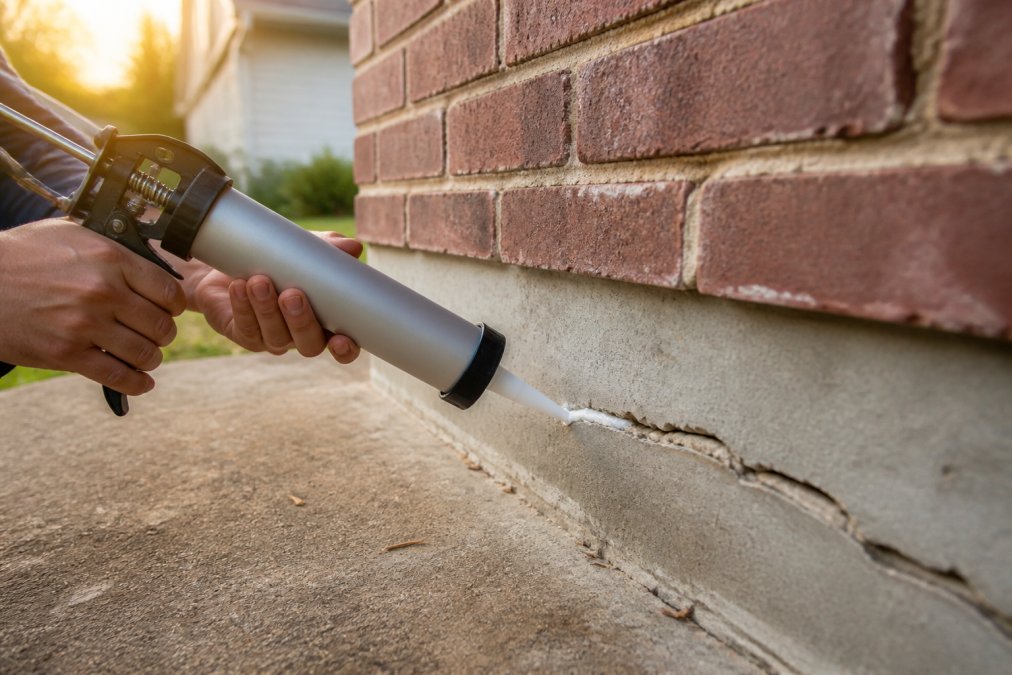
Check exterior walls for settled brick or deteriorated mortar. If you find gaps larger than a quarter-inch or diagonal cracks indicating structural movement, contact a professional. Sealing entry points prevents new ants from entering while you eliminate the colony inside.
2. How to Get Rid of Ants in Kitchen: Eliminate Food Sources and Crumbs
The kitchen is where most ant problems start. To prevent ants in spring, eliminate the reason they came: accessible food.
Wipe down kitchen surfaces daily, especially counters, stovetops, and sink areas. Use a damp cloth to remove food residue and pheromone trails that ants use for navigation. Sweep and mop floors regularly, especially under appliances. Don’t leave dirty dishes in the sink overnight, and rinse food containers before recycling.
Store food in airtight containers. Transfer dry goods like cereal, flour, sugar, and pet food to sealed plastic or glass containers with tight-fitting lids. Ants can’t access food they can’t smell. Fix leaky faucets immediately, standing water is a magnet for ants searching for moisture.
How to get rid of ants in kitchen comes down to making your kitchen an unattractive foraging ground. Ants will move on if they can’t find food or water.
3. Control Moisture and Standing Water
Ants need water to survive, especially in spring when colonies are actively growing. Moisture control is one of the most overlooked aspects of ant prevention.
Inspect your home for moisture: clogged gutters, leaky faucets, condensation around pipes, and standing water in basements or crawl spaces. Fix leaky faucets immediately, a slow drip can sustain an entire colony. Clean gutters twice yearly to ensure proper drainage away from your foundation.
In basements and crawl spaces, use a dehumidifier to reduce moisture. Outside, grade soil so water drains away from the foundation. Ants often nest in moist soil close to the house, making it easy to find entry points. Controlling moisture eliminates ideal nesting habitat.
4. Install Door Sweeps and Weather Stripping
Door sweeps and weather stripping create physical barriers ants can’t cross. Install door sweeps on all exterior doors, a rubber or plastic strip attached to the bottom that seals the gap between door and threshold.
Add weather stripping around door and window frames where gaps exist. Measure the perimeter, clean the surface, and apply weather stripping according to manufacturer instructions. Check sliding glass doors and windows carefully, as seals wear over time. Don’t neglect attic vents, foundation vents, and utility openings. The goal is to eliminate gaps larger than a quarter-inch.
5. Natural Ant Repellent for Home: DIY Deterrents and Pet-Safe Options
If you have pets or prefer to avoid chemical pesticides, natural ant repellent for home provides effective alternatives.
Cinnamon, peppermint, and cloves are natural ant repellents. Sprinkle ground cinnamon along baseboards, window sills, and entry points, refreshing every few weeks. Create a natural deterrent spray by mixing water with a few drops of peppermint essential oil and dish soap. Spray around entry points and ant trails.
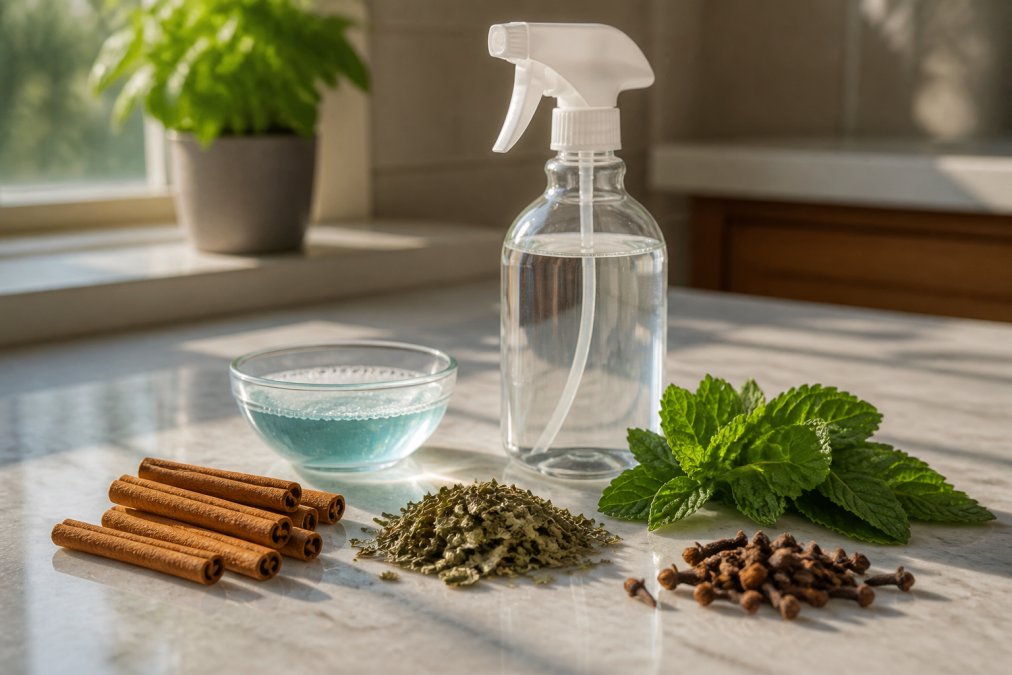
Diatomaceous earth, made from fossilized diatoms, kills ants through physical contact with their exoskeleton. Sprinkle food-grade diatomaceous earth around baseboards and entry points. It’s safe for pets and children when used as directed. Reapply after rain or when moisture reduces effectiveness.
Borax-based baits like TERRO Liquid Ant Baits offer a middle ground, more effective than natural deterrents but far less toxic than synthetic pesticides. Worker ants carry the liquid back to the colony, killing the queen and eliminating the entire nest within days to two weeks (peer-reviewed research).
Natural deterrents work best as part of comprehensive prevention. For active infestations, combine deterrents with food elimination and entry point sealing.
6. Manage Pet Food Areas and Store Food Properly
Pet food is a primary attractant for ants in spring. Feed your pets on a schedule rather than leaving food available all day. Set out food for 15-30 minutes during mealtimes, then remove the bowl.
Place pet food bowls at least a foot from the nearest wall, creating open space around them. Some pet owners place bowls on a mat filled with water, creating a physical barrier ants can’t cross. Store pet food in airtight containers rather than original bags. Clean pet food bowls immediately after feeding and store them in a cabinet, not on the counter.
For wet food, remove uneaten portions within 30 minutes and wash the bowl immediately. Wet food has a stronger odor that attracts ants from greater distances.
7. How Long Does Ant Treatment Last and When to Call a Professional
If you’ve implemented prevention strategies and still see ants, professional treatment may be necessary.
DIY treatments like liquid baits typically eliminate a colony within two weeks, but if entry points aren’t sealed and food sources remain, new ants will invade within weeks. Spray treatments provide residual protection for 4-13 weeks on non-porous surfaces but don’t prevent new ants from entering through unsealed cracks (the EPA).
Professional pest control treatments are more comprehensive. A licensed technician identifies entry points, locates nesting areas, and applies targeted treatments. Zoifia Pest Control offers a 90-day guarantee on all ant treatments, backed by licensed and insured technicians experienced with the specific ant species and building conditions common in the Metro Boston area.
Call a professional if you see multiple ant trails, find nesting sites in walls or under baseboards, or if DIY treatment hasn’t worked after two weeks. Older homes in the Metro Boston area often have structural conditions and moisture issues that make them particularly vulnerable. If your home is more than 50 years old or you’ve had ant problems in previous springs, professional treatment combined with prevention is a cost-effective long-term solution.
Get a quote from Zoifia Pest Control to compare professional treatment costs against repeated DIY purchases over a season.
Frequently Asked Questions
Q: Why does my house get ants every spring?
A: Spring warming triggers ant colonies to become active and forage for food. Scout ants search for entry points and food sources, leaving pheromone trails that guide thousands of foraging ants into your home. Ants exploit foundation cracks, gaps around doors, and moisture-rich areas. Preventing ants in spring requires sealing entry points and eliminating food sources before scout ants establish trails to your home.
Q: What repels ants immediately?
A: Cinnamon, peppermint, and citrus oils create immediate barriers ants avoid. A spray made from dish soap and water kills ants on contact by disrupting their exoskeleton. Diatomaceous earth (food-grade) works within 48 hours. For fastest results, combine physical barriers like sealed cracks with natural deterrents. However, immediate repellents work best alongside elimination of food sources and moisture, ants will return if conditions remain favorable.
Q: How long does ant treatment last and what’s covered by a guarantee?
A: Professional ant treatment typically provides 30 to 90 days of protection, depending on the method and environment. Zoifia Pest Control backs its service with a 90-day guarantee, meaning if ants return within that window, follow-up treatment is covered at no additional cost. The length depends on moisture, food availability, and whether entry points remain sealed.
Q: Can I use natural ant repellents safely around pets and children?
A: Yes, many natural deterrents are pet and child-safe when applied correctly. Diatomaceous earth (food-grade), cinnamon, and peppermint spray pose minimal risk. Avoid boric acid and borax-based baits in homes with pets or young children, these can be harmful if ingested. Always apply natural repellents in areas pets cannot access, like under appliances or along exterior foundations. Read product labels carefully, and consider professional treatment if you have safety concerns.
Spring ant invasions are preventable. By sealing entry points, eliminating food and water sources, installing physical barriers, and managing pet food areas, you can stop ants before they establish colonies in your home. If prevention alone isn’t enough, professional treatment backed by a 90-day guarantee ensures the problem is solved quickly and completely. Get a quote from Zoifia Pest Control today and protect your home from spring ants without long-term contracts or surprise fees.
This article was written using GrandRanker
