
Table of Contents
- Why Annual Pest Inspections Protect Your Home’s Structural Integrity
- Early Detection Saves Money on Long-Term Repairs
- Signs of Termite Infestation in Residential Homes
- How Often Should You Have a Pest Inspection
- Professional Assessment vs. DIY Inspections
- One Time Pest Control Service Cost vs. Annual Protection
- Peace of Mind and Property Value Protection
- Frequently Asked Questions
Last Updated: September 2, 2026
Why Annual Pest Inspections Protect Your Home’s Structural Integrity
Your home’s structural integrity is under constant threat from wood-destroying organisms. Termites, carpenter ants, and other pests work silently behind walls and beneath foundations, causing damage that compounds exponentially over time. Annual professional pest inspections catch this destruction before it becomes catastrophic.
Structural damage from pests happens in hidden spaces where inspectors need specialized equipment and training to look. A single colony of subterranean termites can consume a pound of wood per day (peer-reviewed research). Left unchecked for years, that adds up to structural failure. Homeowners who skip inspections often discover termite damage only when it requires tens of thousands of dollars in repairs, damage that could have been stopped for a fraction of that cost with early detection.
When pests compromise wood framing, joists, or support beams, you’re facing potential collapse, foundation settling, and safety hazards. Professional inspectors know exactly where to look and what signs indicate active pest activity. Annual inspections establish a baseline, documenting vulnerable areas and revealing trends year to year, whether pest activity is increasing, whether entry points are developing, and whether preventative measures are working.
Annual pest inspections prevent catastrophic structural damage by identifying wood-destroying organisms before they compromise the home’s foundation, framing, and support systems.
Early Detection Saves Money on Long-Term Repairs
The economics of pest control are straightforward: early detection costs far less than curative treatment. A professional assessment identifying a small termite colony in year one costs significantly less than structural repairs needed if that colony spreads unchecked for five years.
Termite damage compounds exponentially. A small infestation becomes major, causing structural damage that spreads and requires not just pest elimination but also carpenter repairs, beam replacement, and foundation work. A homeowner discovering termites early avoids the contractor, scaffolding, extended timeline, and insurance complications of large-scale structural repair.
Professional pest control technicians recognize early warning signs homeowners miss: mud tubes, frass (insect droppings), and wood damage indicating active infestation. They identify entry points and assess risk based on your home’s age, construction type, and environmental factors. This expertise translates directly into cost savings because intervention happens when it’s still affordable.
A home with documented professional pest management history holds its value better. Buyers and insurance companies view regular inspections as responsible ownership. Homes with pest damage history face reduced resale value and higher insurance premiums.
Document every inspection and treatment in writing. This record becomes valuable proof of preventative maintenance when selling your home or filing insurance claims, and it shows future pest control companies exactly what’s been done.
Signs of Termite Infestation in Residential Homes
Termites leave evidence. Knowing what to look for helps you understand why professional assessment matters.
Mud tubes are the most obvious indicator of subterranean termite activity. These pencil-thin tunnels run from soil up the exterior of your foundation or along interior walls. Termites build them for protection while traveling between their nest and food sources.
Wood damage appears as hollowed-out sections with a paper-thin exterior shell. Termites eat wood from the inside out. This damage is often hidden inside walls, under flooring, or in crawl spaces. Probing with a screwdriver reveals soft, damaged wood beneath.
Droppings and frass accumulate near infested wood. Drywood termite droppings look like tiny pellets. Finding these near baseboards, in attics, or around crawl space openings indicates active infestation.
Swarmers are winged termites that emerge seasonally to establish new colonies. Seeing winged insects in your home during spring or early summer, particularly near windows, may indicate termites establishing a foothold.
Damaged wood that sounds hollow when tapped is a warning sign. Termites consume the interior while leaving the surface intact.
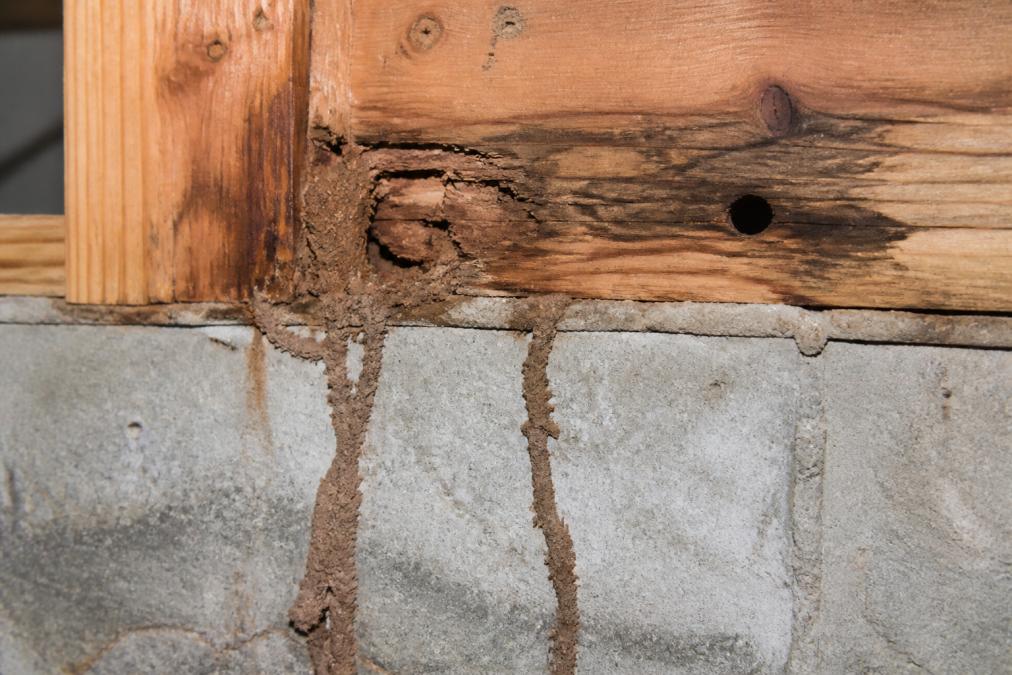
By the time visible damage appears, termites have often been working for months or years. Professional inspectors catch infestations before they become visible, using moisture meters, thermal imaging, and acoustic detection equipment. They know that termite activity often begins in hidden spaces where casual observation never reaches.
If you spot mud tubes or hollow-sounding wood, don’t assume the infestation is small or contained. Termites spread through walls and can establish multiple colonies in a single home. Professional assessment is essential to determine the full extent of the problem.
How Often Should You Have a Pest Inspection
The standard recommendation is annual pest inspections for most residential properties (the CDC). This frequency aligns with termite behavior patterns and provides adequate protection.
Annual inspections work because they align with seasonal pest activity cycles. Spring and fall inspections catch seasonal shifts in pest pressure. An annual schedule ensures checking at times when different pests are most active.
For homes in high-risk categories, older homes with foundation cracks, homes in areas with known termite pressure, or homes with previous pest history, semi-annual or quarterly inspections make sense. New construction homes often require inspections before the builder’s warranty expires. Pre-purchase inspections are essential before buying a home, particularly older properties.
Frequency also depends on preventative maintenance. Homes where you’ve sealed entry points and reduced moisture may need less frequent inspections than homes with ongoing vulnerabilities. However, even well-maintained homes benefit from annual professional assessment because pests find new entry points and conditions change.
Zoifia Pest Control recommends starting with annual inspections and adjusting based on findings. If inspections reveal active infestation or significant vulnerabilities, increase frequency. If inspections show no activity and good preventative conditions, annual inspections remain appropriate.
Professional Assessment vs. DIY Inspections
The gap between what homeowners can assess and what trained professionals detect is substantial. Homeowners can spot obvious signs: mud tubes on the foundation, visible wood damage, or pest droppings. They can check crawl spaces and basements and look for water damage and moisture issues that attract pests.
Professional inspectors go deeper. They use moisture meters to identify high-moisture areas where termites thrive, even when no visible damage exists yet. They use thermal imaging to detect temperature differences indicating pest activity behind walls (peer-reviewed research). They probe suspect wood with specialized tools to assess damage severity and recognize subtle signs of early-stage infestation.
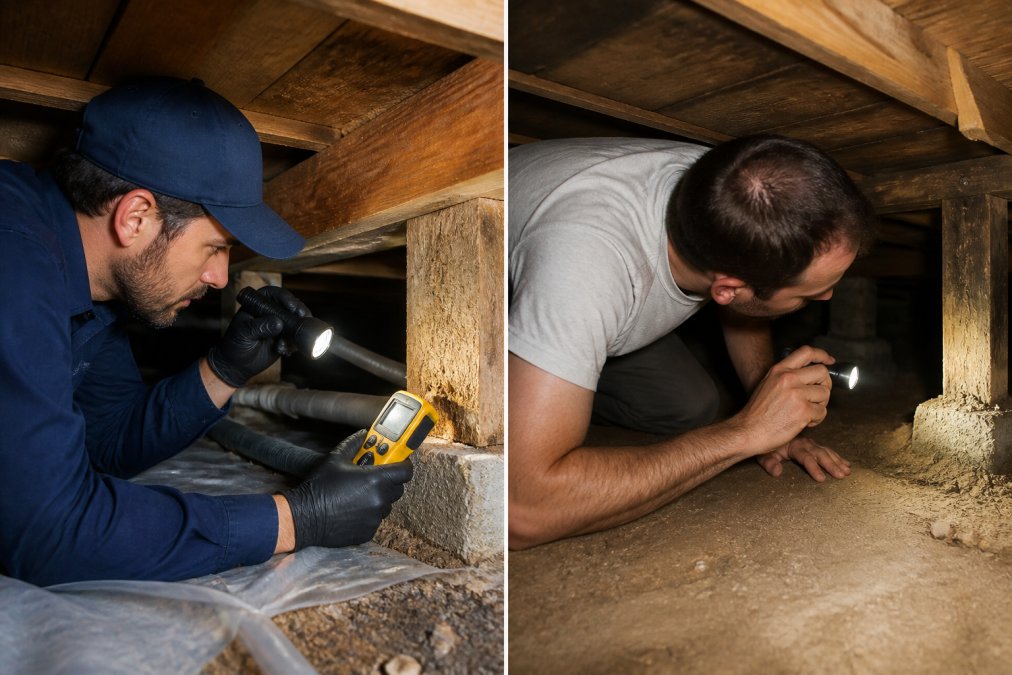
Professional inspectors understand pest behavior patterns specific to your region and home type. They know which entry points are most common in older homes, where termite colonies typically establish themselves, and what conditions indicate imminent infestation. This knowledge comes from years of experience and ongoing training.
Professional inspectors also carry liability insurance and provide documented reports. If a professionally inspected home subsequently develops pest damage, you have evidence that the problem wasn’t visible during the inspection. A professional who visits annually and compares findings to previous years catches trends that single inspections miss.
DIY inspections catch obvious pest signs but miss early-stage infestations, hidden colonies, and the subtle indicators that professionals identify with specialized equipment and training.
One Time Pest Control Service Cost vs. Annual Protection
A one-time pest control service addresses the immediate problem. If you have an active infestation, a technician eliminates it through treatment. The service is focused, relatively quick, and costs less upfront than an annual plan.
The limitation of one-time service is that it doesn’t prevent future infestations. Once treatment is complete, you’re back to relying on your own vigilance. New pests can enter through entry points you didn’t know existed.
Annual protection plans include regular inspections that catch problems before they become infestations. They often include preventative treatments that reduce pest pressure and provide continuity, the same technician or team returns annually, building knowledge of your specific property and its vulnerabilities. They typically include follow-up treatments if pests return within a defined period.
If you experience pest problems regularly, annual protection spreads costs across multiple treatments and inspections, often costing less per year than repeated one-time emergency services. If you rarely have pest problems, one-time service is cheaper short-term but leaves you vulnerable to surprise infestations that cost more to treat.
Many homeowners find that annual plans provide peace of mind beyond the financial calculation. Knowing that a professional is inspecting your property regularly reduces stress and worry about hidden infestations.
Zoifia Pest Control offers flexible service options because different properties have different needs. Rather than forcing long-term contracts, we work with homeowners to design pest management that matches their specific situation.
Peace of Mind and Property Value Protection
The benefits of annual professional pest inspections extend beyond preventing damage. They provide psychological security and protect your financial investment in your home.
Peace of mind comes from knowing that trained professionals are actively monitoring your property. You have documented evidence that your home has been professionally assessed and that any problems identified have been addressed.
Property value protection is concrete. Homes with documented pest management histories sell for more than homes with pest damage in their past. Buyers want assurance they’re not inheriting a hidden problem. Inspection reports from professional pest control companies provide that assurance. Insurance companies also view annual inspections favorably, reducing claims risk and often qualifying homeowners for better rates.
When you sell your home, a documented history of annual inspections becomes a selling point. You can provide buyers with years of inspection reports showing professional maintenance. This transparency builds confidence and can support a higher asking price.
Homes with known pest damage, particularly structural damage from termites, face significant value reduction. By catching problems early through annual inspections, you prevent the damage that would later devalue your home.
For landlords and property managers, annual inspections protect tenant relationships and reduce liability. Regular inspections demonstrate commitment to maintenance and catch problems before they become tenant complaints.
Keep all inspection reports and treatment documentation in a dedicated file. When selling your home or refinancing, this paper trail proves responsible pest management and can justify higher property valuations.
Annual professional pest inspections are one of the most cost-effective investments homeowners can make. They prevent structural damage that costs tens of thousands to repair, protect property value, and provide the peace of mind that comes from knowing your home is being actively monitored by trained professionals. Zoifia Pest Control provides comprehensive annual inspections backed by our 90-day guarantee, ensuring your property stays protected without requiring long-term contracts. Get a quote today and discover how professional pest management protects both your home and your investment.
Frequently Asked Questions
Q: Is annual pest control worth the investment?
A: Annual pest inspections catch infestations before they cause structural damage and costly repairs. Early detection of pest activity can save thousands in remediation costs. A single annual inspection costs far less than treating advanced infestations or repairing wood-destroying organisms damage. Most homeowners find the peace of mind and long-term savings justify the annual investment.
Q: What are the primary benefits of professional pest inspections?
A: Professional inspections identify hidden pest activity, prevent structural damage to your home, protect property value, and catch problems early when treatment is most cost-effective. A pest control technician has the training and tools to spot signs homeowners miss, including droppings, gnaw marks, and entry points. You also receive a detailed inspection report for your records.
Q: Can regular pest inspections save money on long-term repairs?
A: Yes. Early detection prevents expensive structural damage. Termites alone can cause tens of thousands in damage if left untreated. Annual inspections cost significantly less than curative treatment after an infestation spreads. Preventative maintenance through routine checks also reduces the need for emergency treatments, which typically cost more than scheduled service.
Q: How do I know if I need pest inspections more than once a year?
A: Most homes benefit from annual inspections, but seasonal pest behavior patterns and your property’s history may warrant semi-annual visits. Older homes, properties with previous infestations, or those in high-risk areas should be assessed more frequently. Discuss your home’s specific risk factors with a professional to determine the right inspection schedule.
This article was written using GrandRanker
