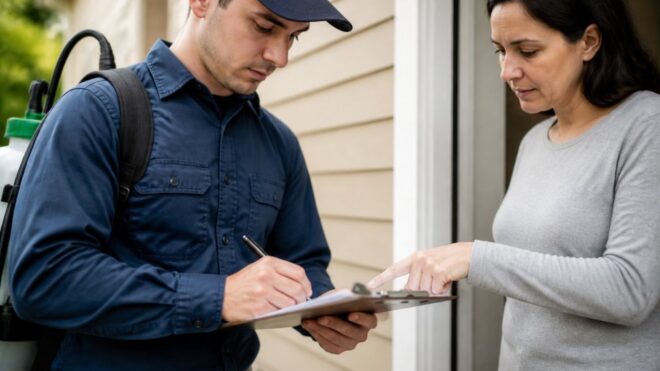
Table of Contents
- Why Pest Control Technicians Must Be Licensed and Insured
- How to Verify a Pest Control License
- Understanding Pest Control Insurance Requirements for Businesses
- Risks of Hiring Unlicensed Pest Control Operators
- State-Specific Licensing and Certification Requirements
- Red Flags: How to Spot Unlicensed Pest Control Companies
- What to Ask Before Hiring a Pest Control Professional
- Conclusion
Last Updated: August 23, 2026
Why Pest Control Technicians Must Be Licensed and Insured
In most states, pest control professionals working with pesticides and performing structural pest control must hold a valid license issued by the state’s regulatory agency. At Zoifia Pest Control, we maintain full licensing and insurance to protect our customers and ensure compliance with all applicable regulations. Licensing requirements exist to protect public health and safety. When a technician applies pesticides without proper certification, they risk contaminating your home, harming your family, and violating environmental standards. Insurance ensures that if something goes wrong during treatment, you have financial recourse and protection.
A certified technician has completed training on pesticide safety, application techniques, environmental impact, and consumer protection laws. They understand which products work for which pests, how to apply them safely, and what precautions to take around children and pets.
Before hiring any pest control company, ask to see proof of both licensing and insurance. Legitimate operators will provide this documentation without hesitation. If a company resists or claims it’s not necessary, that’s a major red flag.
How to Verify a Pest Control License
Verifying a pest control technician’s license is straightforward. Each state maintains a searchable database through its department of agriculture, environmental health division, or equivalent regulatory agency. Go to your state’s department of agriculture website and look for a section on pesticide applicators or pest control licensees. Many states offer online search tools where you can enter the company name or technician’s name to verify their status.
When you search, look for the company name, license number, license type (commercial, residential, or both), expiration date, and any disciplinary history. If the license has expired or the company doesn’t appear in the database, they’re not legally operating.
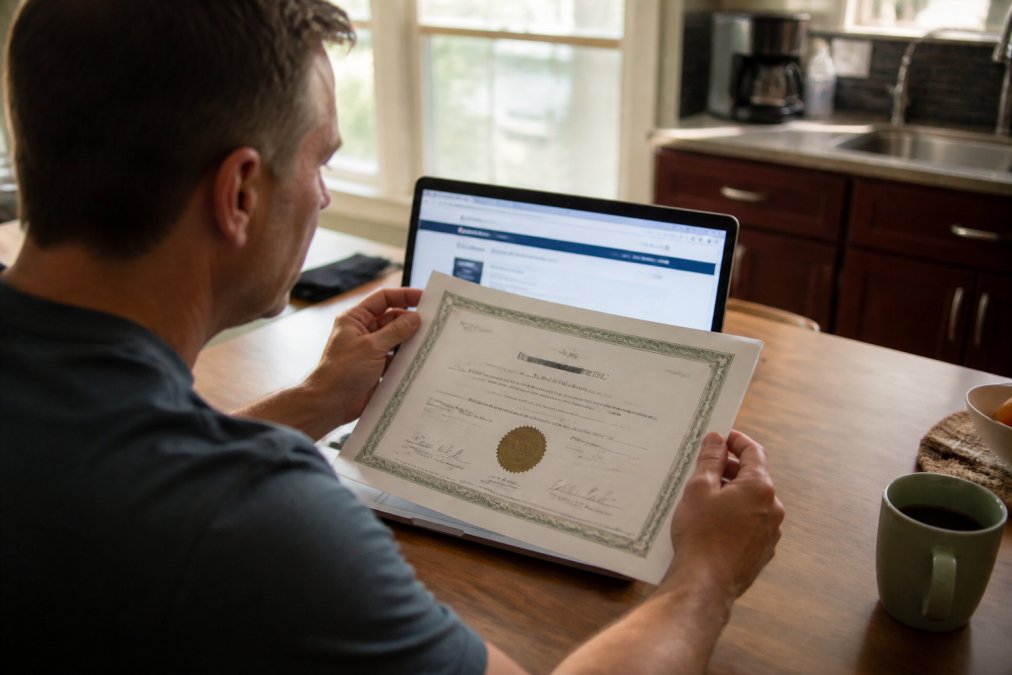
The verification process protects you. A licensed technician has passed exams on pesticide safety and regulatory compliance. If they damage your property or cause injury through negligence, you have a documented path to compensation.
Always verify licensing before scheduling service. A five-minute search on your state’s regulatory website can save you thousands in potential damage or health risks.
Understanding Pest Control Insurance Requirements for Businesses
Pest control companies must carry liability insurance to operate legally in most states. General liability insurance covers property damage and bodily injury claims that might arise during pest control operations. Workers’ compensation insurance protects the company’s employees if they’re injured on the job. When a company carries proper liability insurance, it means they’ve been vetted by an insurance underwriter who has reviewed their business practices, safety protocols, and claims history.
What Liability Insurance Actually Covers
Liability insurance covers scenarios that might occur during pest control service. If a technician accidentally sprays pesticide on your furniture, damages your home’s exterior, or causes injury through improper application, liability insurance can cover repair costs or medical expenses. It typically does NOT cover intentional misconduct, failure to follow your safety instructions, or damage caused by your own negligence. It also doesn’t cover pest control that fails to eliminate the infestation, that’s a service quality issue.
Coverage limits matter. Ask about coverage limits when requesting proof of insurance.
Proof of Insurance Documentation
When you request proof of insurance, the company should provide a Certificate of Insurance (COI) showing the insurance carrier’s name, policy number, coverage type, coverage limits, and expiration date. A valid Certificate of Insurance includes contact information for the insurance broker or company, allowing you to verify the policy independently.
If a pest control company cannot or will not provide a Certificate of Insurance, do not hire them. This is a sign they either don’t carry insurance (which is illegal in most states) or are operating outside regulatory compliance.
Risks of Hiring Unlicensed Pest Control Operators
Hiring an unlicensed pest control operator creates multiple serious risks. Unlicensed technicians have not completed the training required to handle pesticides safely or understand environmental regulations. Improper pesticide application can cause respiratory issues, skin reactions, neurological effects, and long-term health problems (peer-reviewed research).
Property damage is another significant risk. Unlicensed operators may not understand how to access pest entry points without damaging your home’s structure, electrical systems, or plumbing. Legal liability falls on you if an unlicensed operator causes injury or property damage. Since they’re not properly insured, you won’t have a company’s insurance to cover repairs or medical bills.
There’s also no recourse if the pest problem returns. Unlicensed operators operate outside regulatory oversight, so there’s no enforcement mechanism if they fail to deliver. Using an unlicensed operator may also expose you to liability as the property owner, particularly in rental situations or if it violates local health codes.
State-Specific Licensing and Certification Requirements
Pest control licensing requirements are set at the state level, so standards vary significantly across the country. However, all states that regulate pest control require some form of licensure for professionals applying pesticides or performing structural pest control. Most states distinguish between different types of pest control licenses based on the scope of work: general pest control for common household pests, or specialized licenses for termites, bed bugs, or fumigation (aapco.org).
The certification process typically involves completing approved training hours (usually 20-40 hours), passing a state-administered exam covering pesticide safety and regulations, submitting an application with proof of training, paying licensing fees, and maintaining continuing education credits to renew the license (the EPA).
Technician Registration and Salesperson Certification
Many states require individual technicians and salespeople to register or become certified. A technician registration means that specific individual has met training and exam requirements and is authorized to perform pest control work. This individual certification creates accountability. When hiring a pest control company, ask about the technician who will service your property and verify their registration through your state’s regulatory database.
Some states also require technicians to carry an identification badge showing their name, company affiliation, and license number, allowing you to verify credentials on the spot before work begins.
Red Flags: How to Spot Unlicensed Pest Control Companies
The most obvious red flag is reluctance or inability to provide proof of licensing and insurance. If a company hesitates or claims these documents aren’t necessary, they’re almost certainly operating without proper credentials.
Watch for companies that avoid putting anything in writing. Reputable pest control businesses provide written estimates, service agreements, and documentation of what was done. If a company insists on cash-only payment with no receipt, that’s a sign they’re not operating through legitimate channels.
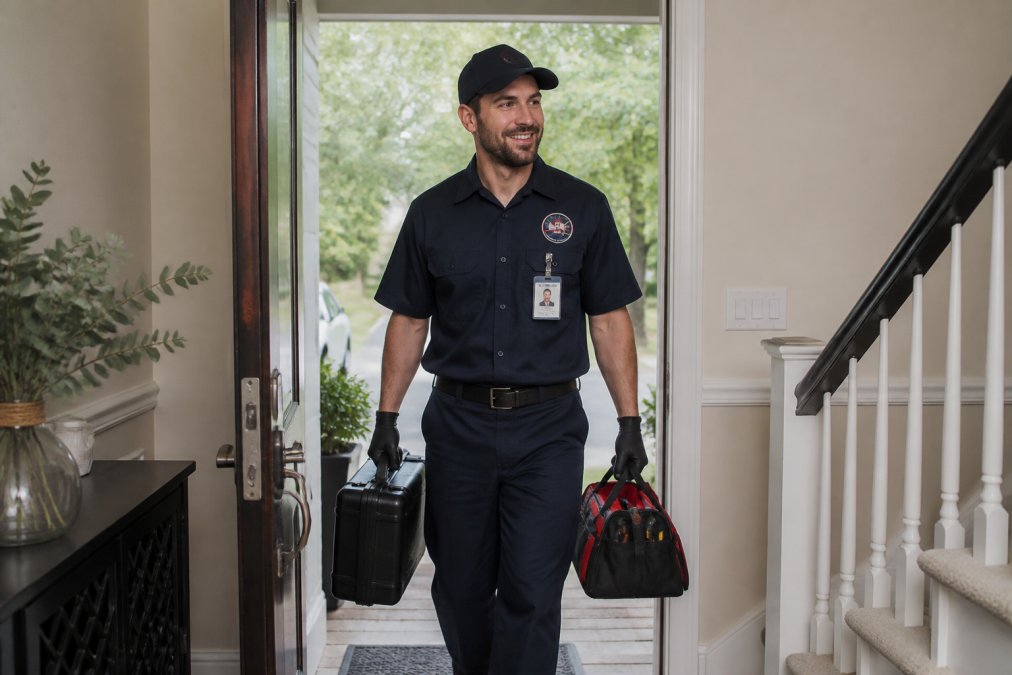
Pricing that seems too good to be true often is. Extremely low quotes suggest corners are being cut on safety protocols or product quality. Lack of company identification is another warning sign. Legitimate technicians arrive in clearly marked vehicles, wear company uniforms, and carry identification badges. Pressure tactics and high-pressure sales are common among unlicensed operators. Unwillingness to discuss their methods or explain what they’re doing is suspicious.
What to Ask Before Hiring a Pest Control Professional
Start with licensing and insurance: "Can you provide proof of your state pest control license and a current Certificate of Insurance?" Ask to see the technician’s individual license or registration as well.
Ask about their experience with your specific pest problem and request references from customers with similar infestations. Request a detailed written estimate that specifies what will be done, which products will be used, and total costs.
Ask about their approach to safety: "What precautions do you take around children and pets?" and "How long should we stay out of the treated area?" Inquire about their guarantee: "What happens if the pests return?" and "Is there a warranty period?" Zoifia Pest Control, for example, backs service with a 90-day guarantee. Ask about follow-up service needs and whether they’re registered with the state department of agriculture.
Hiring a licensed and insured pest control professional protects your home, your family’s health, and your wallet. When you verify credentials before hiring, you’re making an informed decision backed by regulatory oversight and professional standards. Zoifia Pest Control meets all licensing and insurance requirements while delivering fast, reliable service backed by a 90-day guarantee. Get A Quote today and experience the peace of mind that comes with working with a fully credentialed, insured pest management professional.
Frequently Asked Questions
Q: How do I verify if a pest control company is licensed?
A: Contact your state's Department of Agriculture or environmental health agency and ask for their licensee database. Most states maintain searchable online registries where you can enter the company name or technician name to confirm current licensing status. Request proof of insurance documentation directly from the company and verify the policy is active with the insurance provider. Legitimate pest management professionals will provide this information without hesitation.
Q: What is the difference between a licensed and certified pest control technician?
A: A license is a state-issued credential required to operate legally and perform pesticide applications. Certification is an additional credential demonstrating specialized knowledge in specific pest control areas, such as termite control or weed control. Not all states require certification, but most require a license. Licensed technicians have passed regulatory exams and comply with statutory requirements set by the Department of Agriculture or similar agencies.
Q: What happens if an unlicensed pest control operator damages my property?
A: You have limited recourse. Unlicensed operators typically carry no liability insurance, so you cannot file a claim for damages. You may pursue a lawsuit, but recovery is difficult and costly. Licensed, insured pest management professionals carry general liability insurance that covers property damage, giving you legal protection and a clear path to compensation if something goes wrong during treatment.
Q: Why should I only hire insured pest control professionals?
A: Insurance protects you if a technician causes property damage, personal injury, or environmental harm during treatment. It also indicates the company meets compliance standards and regulatory requirements set by state agencies. Proof of insurance demonstrates the company operates legitimately and takes consumer protection seriously. Always request a certificate of insurance before hiring and verify the policy covers the services you need.
This article was written using GrandRanker
