Table of Contents
- Why Sealing Gaps Is Critical for Roach Prevention
- Identifying Common Cockroach Entry Points in Apartments
- Best Sealant for Roach Prevention
- How to Seal Gaps Between Floor and Wall Molding
- Pest Proofing Apartment Doors and Windows
- Tools and Materials You’ll Need
- Landlord vs. Tenant Responsibilities for Sealing Gaps
- Why Sealing Gaps Alone Isn’t Enough
- Frequently Asked Questions
Last Updated: September 26, 2026
Why Sealing Gaps Is Critical for Roach Prevention
To seal apartment gaps roaches use to enter, you must address the cracks and gaps in older apartments. A building’s foundation shifts, pipes settle, doors warp from humidity, suddenly gaps open that are just wide enough for a cockroach to squeeze through. Once inside, they multiply fast.
Sealing apartment gaps to prevent roaches stops the problem before it starts. It’s the single most effective prevention measure you can take. No treatment works long-term if roaches keep finding new entry points.
Identifying Common Cockroach Entry Points in Apartments
A German cockroach needs only a 1/16-inch gap to slip through. Common entry points fall into three categories: plumbing, electrical, and structural gaps, each requiring a different sealing approach.
Plumbing and Electrical Penetrations
Pipes and wires create holes in walls; builders often leave these gaps larger than necessary. Check under sinks and around electrical outlets near baseboards, these penetrations are roach highways. Water lines are especially attractive because roaches need moisture to survive.
Baseboards, Moldings, and Wall Gaps
Baseboards don’t sit flush against walls, especially in older buildings where walls have settled. Moldings around doorways and windows create similar gaps as wood shrinks and warps. These separations become perfect roach entry points.
Gaps Between Floor and Wall Molding
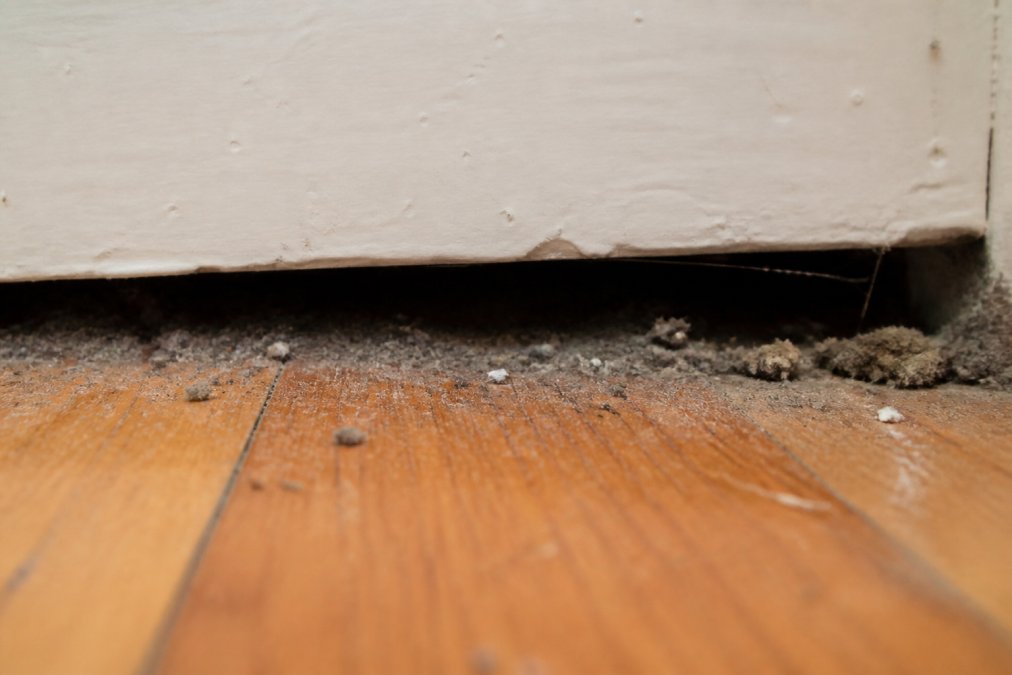
The gap between floor and baseboard is the most overlooked entry point. In older apartments, this gap can be 1/4 inch or more. Roaches travel along room perimeters using these gaps as highways, moving between units through shared walls in multi-family housing.
Best Sealant for Roach Prevention
The best sealant for roach prevention must be flexible enough to handle settling and temperature changes, resist moisture, and resist roach chewing. For renters, it must be removable or paintable without damaging the underlying surface.
Silicone Caulk vs. Acrylic Latex
Silicone caulk is superior for pest proofing: it stays flexible, resists moisture and mold, and roaches can’t chew through it. The trade-off: it’s permanent and difficult to remove. However, it’s paintable, allowing you to match wall color. For renters with landlord approval, paintable silicone is the best long-term solution.
Acrylic latex caulk is cheaper and easier to remove, but dries hard and brittle. Temperature changes cause cracking, and roaches can eventually work through it. Use only as a temporary fix (6-12 months) or for very small crevices. For renters avoiding landlord disputes, it’s the damage-free option.
Paintable Silicone and Color-Matched Solutions
Paintable silicone caulk accepts acrylic latex paint, allowing you to match wall color exactly and make the seal invisible. This is especially useful for baseboards and moldings at eye level. Some manufacturers offer pre-tinted colors, reducing the need for painting.
Expandable Foam for Larger Gaps
Use expandable foam for gaps wider than 1/4 inch. Apply it, let it cure 24 hours, trim excess, and seal over with silicone caulk. Foam works well around utility lines but is permanent and difficult to remove. For renters, use only in hidden areas where removal won’t affect your security deposit.
Non-Permanent Alternatives for Renters
If your lease prohibits modifications, consider temporary barriers: removable weatherstripping tape (peel-off adhesive foam lasting 6-12 months) or ask your landlord to seal gaps as part of building maintenance. Document requests in writing; many landlords prefer to seal gaps themselves rather than deal with tenant-caused damage.
When you seal apartment gaps roaches exploit, silicone caulk remains the most effective long-term solution. For renters, paintable silicone or acrylic latex offers a balance between effectiveness and lease compliance.
How to Seal Gaps Between Floor and Wall Molding
This is where most apartment roach problems start. Sealing this gap properly stops 60% of potential entry points.
Preparation and Cleaning
Clean the gap thoroughly with a shop vacuum and thin attachment. Wipe with a damp cloth and let dry completely, moisture prevents sealant bonding. Remove any loose paint, caulk, or debris; scrape out peeling caulk completely.
Application Technique
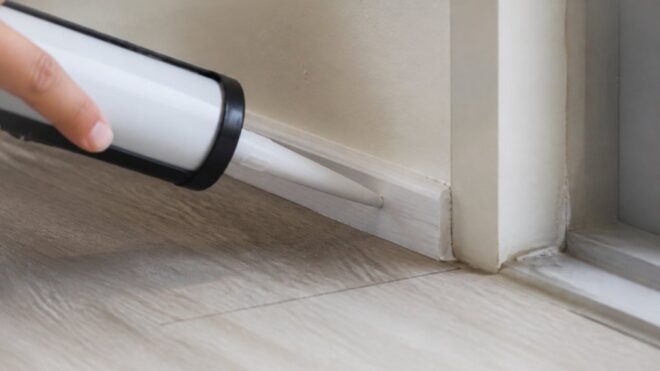
Load your caulking gun with silicone caulk and cut the nozzle at 45 degrees. Apply steady pressure along the gap, filling it completely. Smooth the bead with a wet finger as you go. Work in 10-foot sections, stopping to inspect. Let cure 48 hours before touching.
Pest Proofing Apartment Doors and Windows
Doors and windows are major entry points. Sealing these areas requires flexible barriers, not sealants alone, because doors and windows move.
Door Sweeps and Weatherstripping
Install a door sweep (rubber or vinyl strip) on every exterior door and doors leading to hallways. Choose one with rubber bristles or silicone blade. Use adhesive-backed foam weatherstripping on door frames (not the door itself) to seal sides and top.
Thresholds and Perimeter Sealing
Install a door threshold with built-in sweep for better sealing. For windows, caulk around the entire frame where it meets the wall (inside and outside). Check window wells and sills for gaps and seal them.
Tools and Materials You’ll Need
Gather these inexpensive, reusable tools: caulking gun, 100% silicone caulk, expandable foam, shop vacuum, utility knife, scraper, door sweeps, weatherstripping, safety glasses, and measuring tape. Battery-powered guns reduce hand fatigue. Buy caulk in bulk for entire apartments.
Landlord vs. Tenant Responsibilities for Sealing Gaps
Responsibility for sealing gaps depends on your lease, local housing codes, and the gap’s nature. Understanding this is critical for renters wanting to prevent roaches without jeopardizing their security deposit.
Landlord Responsibilities
Landlords are generally responsible for maintaining structural integrity, including sealing gaps that allow pests to enter. Under the implied warranty of habitability (recognized in all 50 states), landlords must maintain units fit for occupancy, including preventing pest infestations (Tenant Rights to a Livable Place). Gaps between floor and wall molding, around plumbing, and through shared walls are structural issues, the landlord’s responsibility.
Document roaches entering through gaps (photos, video) and notify your landlord in writing via email. If ignored, you may have legal remedies depending on your state: repair-and-deduct, rent withholding, or lease-breaking. These remedies vary significantly by state and city, research your local tenant rights before taking action.
Tenant Responsibilities and Limitations
Tenants can seal gaps in their own unit, but only with landlord approval and only in ways that don’t damage the property. Most leases prohibit modifications to the unit. Sealing gaps with caulk isn’t permanent damage in the way that painting or drilling is, but it’s still a modification.
Before sealing any gap, review your lease. Look for clauses about:
- Alterations or modifications
- Maintenance responsibilities
- Pest control procedures
- Damage definitions
If your lease is silent on sealing gaps, it’s safer to ask permission anyway.
If your landlord approves, use damage-free methods:
- Paintable silicone caulk (can be painted to match walls; difficult but possible to remove)
- Acrylic latex caulk (easier to remove; less durable)
- Removable weatherstripping (adhesive-backed foam; leaves no residue if applied correctly)
- Avoid expandable foam in visible areas (permanent and difficult to remove)
Shared Walls and Multi-Unit Buildings
In apartment buildings, roaches migrate between units through shared walls. A gap in your unit’s baseboard might connect to a gap in your neighbor’s unit or to a shared wall cavity.
When to Involve Your Landlord vs. Acting Alone
Involve your landlord if:
- Gaps are in structural areas (shared walls, exterior walls, plumbing penetrations)
- You suspect roaches are already present
- Your lease prohibits modifications
- The gap is large or in a visible area where sealing might affect the unit’s appearance
- You want to protect your security deposit by having written approval
You can act alone if:
- Your lease permits minor maintenance
- You have explicit landlord approval
- You use damage-free, removable methods (acrylic latex or weatherstripping)
- The gap is small and in a hidden area (under the sink, behind appliances)
- You document your work thoroughly
Property Manager vs. Owner Communication
If you rent from a property management company, send all requests and approvals through the official channels (online portal, email to the management office, or written notice). Do not rely on verbal approval from maintenance staff. Written records protect you if there’s a dispute later.
The Bottom Line
Structural gaps that allow pests to enter are the landlord’s responsibility. Gaps within your unit that you want to seal for extra protection are your responsibility, but only with landlord approval and using damage-free methods. When in doubt, ask permission in writing.
Why Sealing Gaps Alone Isn’t Enough
Here’s the hard truth: sealing gaps prevents new roaches from entering. It doesn’t eliminate roaches already inside.
Frequently Asked Questions
Can sealing gaps really stop a roach infestation?
Sealing gaps is a critical barrier against roach entry, but it works best as part of integrated pest management. Gaps in walls, baseboards, and around utility lines are primary entry points for cockroaches seeking food and shelter. However, sealing alone won’t eliminate an existing infestation or prevent migration from neighboring apartments in multi-family housing. Combine sealing with sanitation, clutter removal, and professional pest control for complete protection.
What’s the best sealant for roach prevention?
Silicone caulk with mold inhibitor is ideal for most apartment gaps because it remains flexible, lasts longer than acrylic latex, and resists moisture in kitchens and bathrooms. For larger gaps (over 1/2 inch), use expandable foam first, then seal the surface with silicone caulk. Acrylic latex works for gaps under 1/4 inch but deteriorates faster. Always choose paintable sealants if you need to match wall color for aesthetic-friendly sealing in rental units.
How do I seal gaps between floor and wall molding without damaging my apartment?
Clean the gap thoroughly with a vacuum and damp cloth, then apply silicone caulk using a caulking gun at a 45-degree angle. Smooth the bead with a wet finger or caulk tool. Avoid expanding foam in this location as it’s harder to remove and may damage paint. Work in small sections and let each section cure before moving to the next area.
What should I do if I’m a renter and my landlord won’t approve sealing?
Document the gap locations and photograph them as evidence of the maintenance issue. Send a written request to your landlord citing pest prevention and habitability concerns. Many jurisdictions require landlords to maintain weathertight, pest-proof housing. If your landlord refuses, contact your local housing authority or tenant rights organization. For temporary solutions, use removable weatherstripping on doors and window sills until the landlord makes permanent repairs.
