Table of Contents
- Why Do I Have Roaches in My Clean Apartment: The Structural Truth
- How Roaches Travel Between Apartments in Multi-Unit Buildings
- The Three Conditions That Attract Roaches (Even to Clean Homes)
- Structural Gaps and Building Entry Points: Why Your Apartment Is Vulnerable
- How to Seal Your Apartment From Roaches: Prevention Steps That Work
- Best Roach Killer for Apartments: Treatment Methods That Eliminate Infestations
- When to Call Your Landlord for Roaches: Know Your Rights
- Signs You Have a Roach Infestation and What to Do Next
Last Updated: August 3, 2026
Why Do I Have Roaches in My Clean Apartment: The Structural Truth
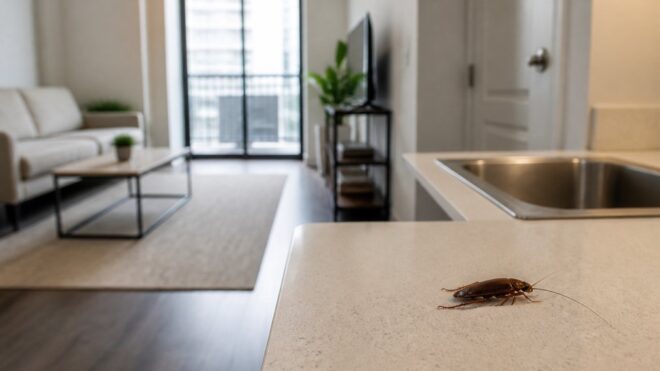
If you’re asking yourself "why do i have roaches in my clean apartment," you’re not alone. At Zoifia Pest Control, we’ve spent years investigating this exact question for residents across the Metro Boston area. The truth is counterintuitive: roaches aren’t necessarily a sign of poor housekeeping. A clean apartment can still harbor roaches because the problem isn’t about what you’re doing wrong, it’s about where they’re coming from and what conditions your building provides.
Research from pest management professionals shows that structural vulnerabilities and multi-unit housing dynamics account for a significant portion of residential cockroach infestations, even in meticulously maintained homes. Roaches don’t care how clean your apartment is; they care about access, moisture, and shelter.
How Roaches Travel Between Apartments in Multi-Unit Buildings
Roaches don’t respect unit boundaries. German cockroaches, the species most common in Boston-area apartments, are exceptional travelers, and multi-unit housing creates highways for pest movement between units.
Roaches move through shared spaces and conduits connecting apartments: baseboards, wall voids, electrical conduits, and plumbing lines. A single roach infestation in one unit can rapidly spread to adjacent apartments if the building infrastructure isn’t sealed. According to research from the American Pest Management Association, German roaches can travel up to 100 feet in a single night and squeeze through gaps as small as 1/16 of an inch.
If you live in an older Boston-area building, ask your landlord or neighbors if they’ve reported roach activity. Roaches typically spread in a predictable pattern, usually downward or to adjacent units.
The problem intensifies in older Somerville and Boston housing stock, where buildings have settled, walls have shifted, and gaps have widened over decades. Plumbing penetrations, where pipes pass through walls between units, are particularly vulnerable entry points.
The Three Conditions That Attract Roaches (Even to Clean Homes)
Roaches need three things to thrive: food, water, and shelter. All three can exist in a clean apartment.
Food Sources Beyond Visible Crumbs
Roaches eat crumbs invisible to the human eye, food residue on dishes, grease on stovetops, pet food left out overnight, and soap residue. They’re attracted to stored food not sealed in airtight containers: cereal boxes, flour bags, pasta boxes, and crackers. A single roach can survive on the equivalent of a few grains of sugar.
Never leave pet food out overnight, even if your apartment is clean. Pet food is a primary attractant for roaches. Store pet food in sealed containers and feed pets on a schedule, removing uneaten food within 1-2 hours.
Moisture and Water Access Points
Roaches need water even more than food; they can survive weeks without eating but only days without water. Moisture sources in a clean apartment include leaky pipes under sinks, condensation around air conditioning units, standing water in plant saucers, and bathroom humidity. A single leaky pipe can support a roach infestation indefinitely.
Check for moisture problems: inspect under sinks for drips, look for water stains on ceilings or walls, and feel for condensation around pipes.
Shelter and Hiding Spots
Roaches need places to hide during the day. They’re nocturnal and light-sensitive, spending daylight hours in tight, dark spaces: inside walls, behind baseboards, inside electrical outlets, and under cabinets. Even in a minimalist, clean apartment, structural hiding spots remain. You cannot clean your way out of structural hiding spots.
Structural Gaps and Building Entry Points: Why Your Apartment Is Vulnerable
Roaches enter apartments through structural gaps and building entry points that exist independently of cleanliness.
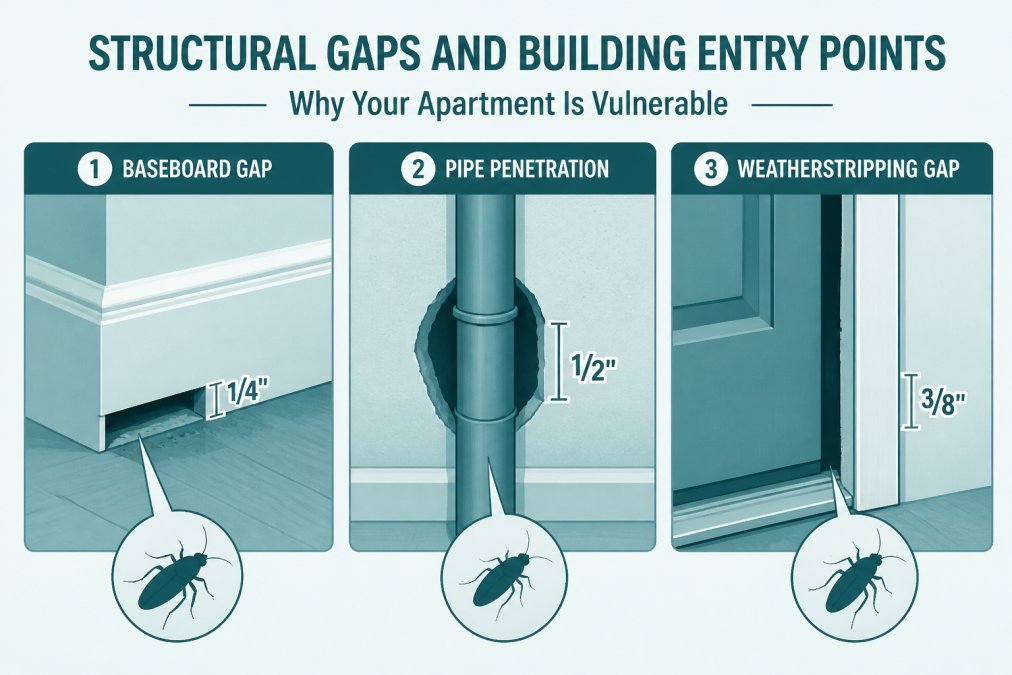
Common entry points include gaps around baseboards, spaces where utilities and plumbing penetrate walls, gaps around windows and doors, cracks in foundation or exterior walls (for ground-floor units), and openings around HVAC returns. Baseboards are particularly problematic, in many older apartments, they’ve warped, cracked, or separated from the wall, creating a gap that runs the entire perimeter of your apartment. Plumbing and electrical conduits are another major entry point, often sealed poorly with caulk that cracks over time.
According to EPA guidance on residential pest exclusion, sealing gaps and cracks is the most effective long-term prevention strategy for apartment dwellers.
The structural vulnerability of your apartment building matters more than your housekeeping habits. A clean apartment in a building with poor pest exclusion will have roaches.
How to Seal Your Apartment From Roaches: Prevention Steps That Work
Sealing your apartment is the single most effective prevention strategy.
Step 1: Inspect and Map Entry Points (Time: 30-45 minutes)
Walk through your apartment systematically and identify gaps using a flashlight. Check where baseboards meet the floor and walls, corners, closets, and under cabinets. Look at areas where pipes enter walls (typically under kitchen and bathroom sinks). Pay special attention to the kitchen and bathrooms, where roaches concentrate.
Step 2: Seal Baseboards and Wall Gaps (Time: 2-3 hours for typical apartment)
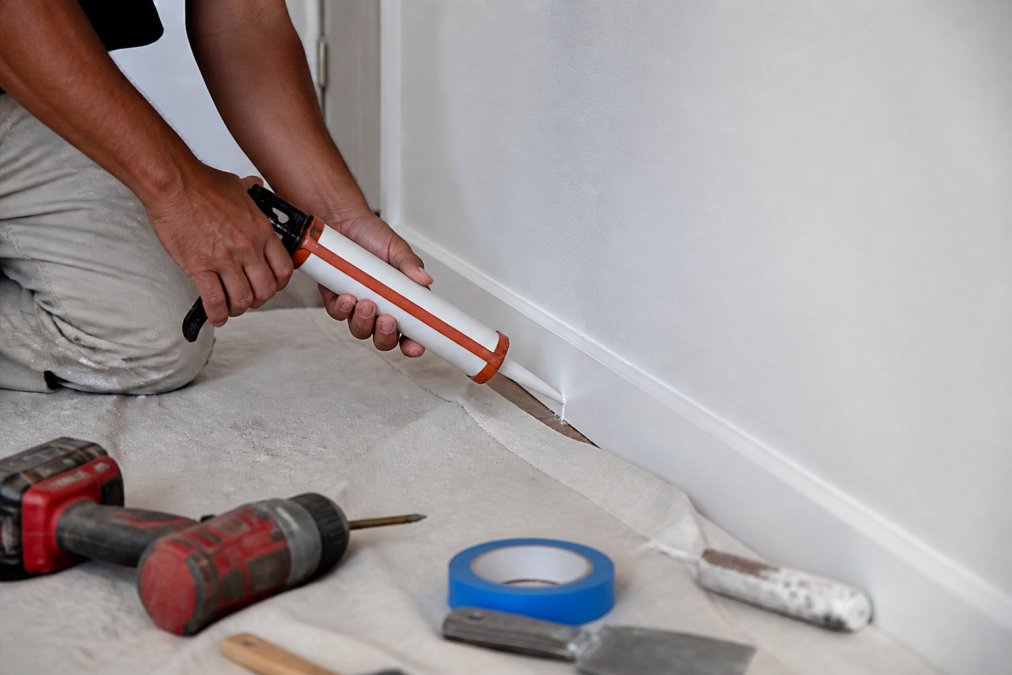
Use 100% silicone caulk (not latex, which roaches can chew through) to seal gaps between baseboards and walls. For gaps wider than 1/4 inch, use foam backer rod first, then caulk over it. Allow 24 hours for curing.
Step 3: Seal Pipe and Utility Penetrations (Time: 1-2 hours)
Locate where pipes and electrical conduits enter your apartment. Use silicone caulk to seal gaps around these penetrations. For larger gaps, use expandable foam sealant first, then trim and caulk over it.
Step 4: Weatherstrip Doors and Windows (Time: 1-2 hours)
Check weatherstripping around exterior doors and windows. If it’s cracked, missing, or compressed, replace it.
Step 5: Address Moisture Problems (Ongoing)
Fix leaky pipes under sinks, repair dripping faucets, and ensure bathroom exhaust fans work. Dry the area around your sink after washing dishes.
Renters who cannot make permanent modifications should focus on weatherstripping doors and using removable caulk alternatives. Landlords are responsible for structural repairs, so report moisture issues and gaps in writing.
Best Roach Killer for Apartments: Treatment Methods That Eliminate Infestations
Once you’ve sealed your apartment, you may still need to treat an existing infestation. Gel bait is the most effective treatment method for apartments because it targets roaches already present without requiring extensive spraying.
Roaches consume the bait, return to their nesting sites, and die. Other roaches then consume the dead roaches and bait residue, spreading the poison throughout the population. Place gel bait in small dots (about the size of a pea) along baseboards, under cabinets, behind appliances, and in corners where roaches hide. Reapply every 2-3 weeks until roach activity stops.
For severe infestations, a combination of gel bait and residual spray (applied by a licensed professional) is most effective. Non-toxic prevention strategies include food-grade diatomaceous earth, which dehydrates roaches when they crawl through it.
For apartment dwellers, professional pest control treatment is often most practical because technicians can access shared walls and treat the source of infestation. At Zoifia Pest Control, our licensed technicians use gel bait and targeted spray treatments specifically designed for multi-unit buildings.
When to Call Your Landlord for Roaches: Know Your Rights
In Massachusetts, landlords have a legal obligation to maintain habitable rental properties, which includes pest control. According to Massachusetts Residential Tenancy law, landlords must maintain the premises in conditions fit for human occupancy and must make repairs necessary to keep the property in that condition.
A roach infestation is considered a "breach of the warranty of habitability" under Massachusetts law. Your landlord is legally required to address it. Document the infestation with photos and dates, and notify your landlord in writing (email is acceptable). Request that they hire a licensed pest control company to treat the infestation.
Your landlord cannot charge you for pest control treatment if the infestation is not caused by your negligence. If your landlord refuses to address the infestation, you can contact your local board of health to file a complaint, which will trigger an inspection. Consult a tenant rights organization or attorney if your landlord is unresponsive.
Never attempt to hide a roach infestation from your landlord or fail to report it. Early reporting and treatment are in everyone’s interest.
Signs You Have a Roach Infestation and What to Do Next
Identifying a roach infestation early makes treatment far more effective.
Live roaches: Seeing a single roach during the day is concerning because roaches are nocturnal. A single daytime sighting often indicates a large population hiding nearby.
Roach droppings: Roach feces look like small black specks or pellets, roughly the size of a grain of rice. You’ll find them along baseboards, under cabinets, inside drawers, and in corners.
Egg casings: Roach egg casings (called oothecae) are small, brown, pill-shaped objects about 1/4 inch long. One egg casing contains 30-40 nymphs.
Musty odor: A severe infestation produces a distinctive musty smell from roach feces and pheromones.
Damage to food packaging: Roaches chew through paper and cardboard food packaging.
What to do if you find signs of infestation:
- Document the evidence with photos and notes of dates and locations.
- If you’re a renter, notify your landlord immediately in writing.
- Seal entry points in your apartment using the steps outlined above.
- Reduce moisture sources (fix leaks, dry sinks after use).
- Store food in sealed containers and don’t leave pet food out.
- Consider professional pest control treatment if the infestation is moderate to severe.
Early detection and rapid response are critical. A small infestation can be eliminated in 2-4 weeks with consistent treatment.
Frequently Asked Questions
Why do I have roaches in my clean apartment if I don't leave food out?
Roaches enter clean apartments because they're seeking shelter, moisture, and water, not just food. Structural gaps, leaky pipes, and entry points from neighboring units allow them inside. Cleanliness alone doesn't prevent infestations in multi-unit buildings. German roaches can survive on soap residue, toothpaste, and microscopic food particles invisible to the naked eye. Even immaculate homes are vulnerable if the building has gaps around baseboards, plumbing penetrations, or conduits connecting units.
Do roaches travel between apartments, and can my neighbor's infestation affect me?
Yes. Roaches move between apartments through shared walls, plumbing, electrical conduits, and gaps around pipes and baseboards. In older Boston-area buildings, these connections are common and hard to seal completely. Your neighbor's infestation can spread to your unit within days or weeks. Even if your apartment is spotless, pest movement from adjacent units is a major reason for infestations in clean homes. Coordinating treatment with neighbors and your landlord is essential to stop the cycle.
What does Zoifia's 90-day guarantee actually cover if roaches come back?
The 90-day guarantee means if roaches return within 90 days of treatment, Zoifia returns to retreat your apartment at no charge. This covers follow-up visits and reapplication of treatment methods. The guarantee protects you from paying twice for the same problem. However, if new roaches enter from neighboring units or untreated building entry points, that may fall outside the guarantee scope. Always clarify coverage details when you get your quote, ask whether the guarantee includes re-entry from other units and what preventative steps you're responsible for.
How quickly can Zoifia send a technician to my apartment in the Metro Boston area?
Zoifia offers fast response times for pest emergencies in the Boston area. Availability depends on current demand and your location within the service area. Contact Zoifia directly for same-day or next-day scheduling options. Because roach infestations spread rapidly, especially in multi-unit housing, quick response matters. When you call for a quote, mention your urgency, Zoifia can prioritize appointments for severe infestations. No long-term contracts are required, so you can book a one-time treatment immediately.
This article was written using GrandRanker
