
Table of Contents
- Why Natural Alternatives to Chemical Rodent Traps Matter
- Essential Oils for Rodent Control in Attics
- Humane Trapping Methods as Natural Alternatives
- How to Seal Attic Entry Points for Mice
- Habitat Modification and Sanitation
- Electronic Deterrents and Their Effectiveness
- When to Call Professional Pest Control
- Conclusion
Last Updated: August 12, 2026
Why Natural Alternatives to Chemical Rodent Traps Matter
Chemical rodenticides carry serious risks: pets consume poison meant for mice, children touch contaminated surfaces, dead rodents trapped in walls create unbearable odors, and rodents develop resistance to chemicals used repeatedly. Natural alternatives address these problems without collateral damage.
At Zoifia Pest Control, we’ve worked with homeowners across the Metro Boston area who discovered that combining natural deterrents with smart exclusion techniques can be effective. Chemicals kill individual rodents but don’t stop new ones from entering. Natural alternatives work best when layered with prevention.
This guide covers natural alternatives to chemical rodent traps for attics, from essential oils and humane trapping to structural sealing and habitat modification. You’ll learn which methods work best for different infestation levels, how to implement them safely, and when professional intervention becomes necessary.
Essential Oils for Rodent Control in Attics
Essential oils disrupt rodents’ navigation by overwhelming their sense of smell. Rodents rely on scent to find food and identify safe nesting sites. Strong scents make treated areas feel hostile.
Peppermint Oil Sprays and Sachets
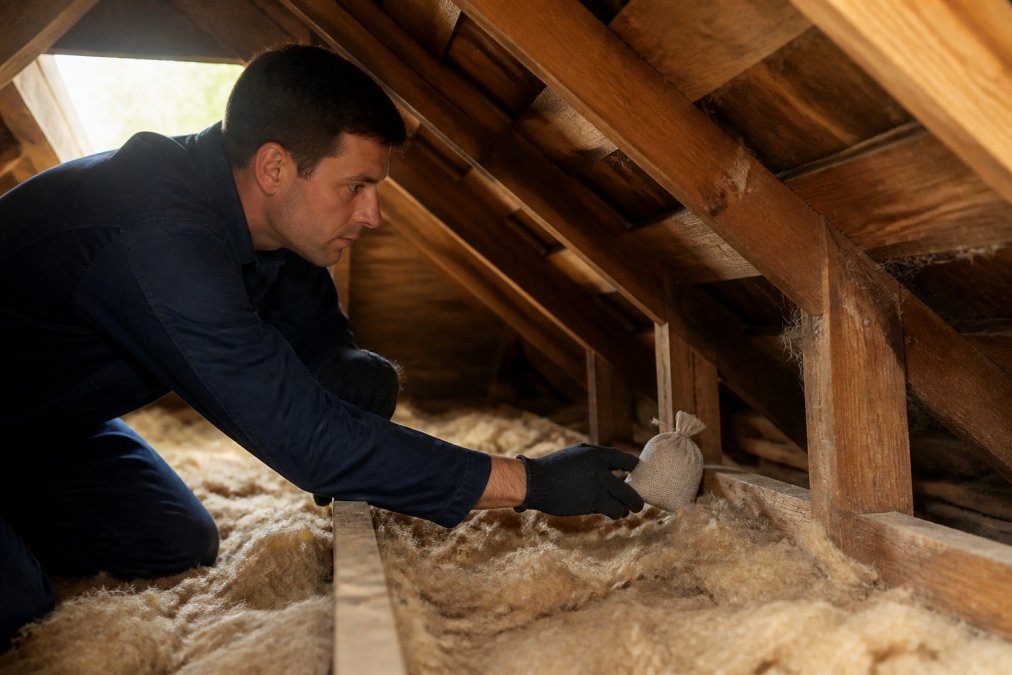
Peppermint oil’s menthol irritates rodent nasal passages, making treated areas uninviting. Products like Mighty Mint Peppermint Oil Rodent Repellent Spray deliver concentrated formulas stronger than diluted alternatives. Victor Scent-Away Natural Rodent Repeller Packs use breathable mesh pouches lasting approximately 30 days before replacement.
The critical limitation is reapplication frequency. Peppermint oil volatilizes quickly in attic environments, especially in warm months. Monthly replacement ensures consistent deterrence. Many homeowners apply peppermint oil once and expect year-round results, that doesn’t happen.
Soak cotton balls in pure peppermint essential oil and place them in small containers throughout your attic. Replace every two weeks for maximum effectiveness.
Botanical Repellent Pouches
Botanical repellent pouches combine multiple essential oils for broader deterrent coverage. Fresh Cab Botanical Rodent Repellent uses balsam fir, pine, cedar, and lavender oils in EPA-registered pouches covering up to 125 square feet and lasting 30-100 days. BUGMD Vamoose combines cornmint, citronella, and linseed oils.
The advantage of multi-oil blends is that rodents may habituate to a single scent but struggle to adapt to multiple scents simultaneously. For attic-specific use, botanical pouches work best as a secondary layer alongside other prevention methods rather than as standalone solutions.
Humane Trapping Methods as Natural Alternatives
Humane trapping captures live animals for relocation, eliminating the problem without creating secondary poisoning risks for pets or wildlife.
Live Traps for Catch-and-Release
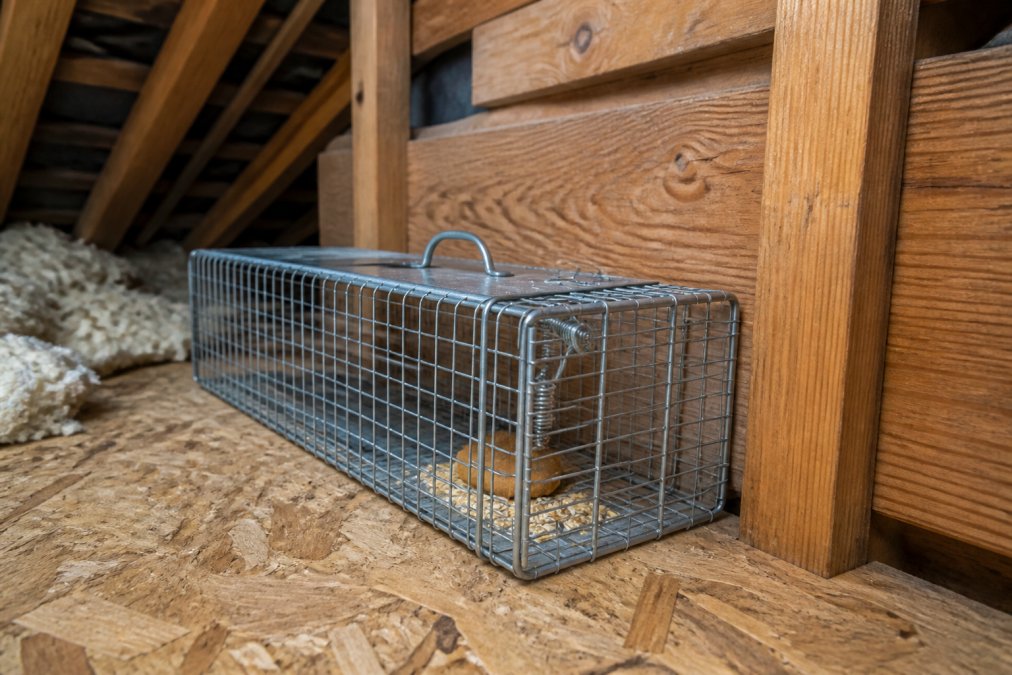
The Tin Cat Mouse Trap is a multi-catch live trap capturing up to 30 mice without requiring baiting or constant resetting. Rodents enter seeking shelter, the entrance closes behind them, and they remain unharmed until release.
Successful catch-and-release requires proper technique. Place traps along walls where rodents travel. Check traps every 12-24 hours. Release captured animals at least five miles from your property in appropriate habitat. Many states have specific regulations about relocating wildlife, so verify local requirements.
Never handle captured rodents without protection. Hantavirus, transmitted through contact with rodent urine or feces, causes severe respiratory illness. Wear nitrile gloves, an N95 mask, and eye protection when handling live traps.
Bucket Traps and DIY Solutions
Bucket traps represent the DIY extreme of humane trapping. A basic design involves a 5-gallon bucket with a wooden dowel across the rim and bait on the dowel. Rodents climb the stick, lose balance, and fall into water.
A more humane approach uses a dry bucket trap: a dowel across the rim with a paper towel tube balanced on it. Rodents enter the tube, the dowel rotates under their weight, and they fall into the bucket below for relocation.
DIY bucket traps cost almost nothing and work reasonably well in attics. The primary drawback is inconsistency. Store-bought traps have been engineered and tested. For attics with active infestations, professional-grade traps can offer more reliable results.
How to Seal Attic Entry Points for Mice
Sealing entry points is the single most important rodent prevention step. Mice squeeze through openings as small as a dime. Exclusion, making entry physically impossible, is the only permanent solution.
Identifying Vulnerable Entry Points
Finding entry points requires systematic inspection from ground level upward. Look for gaps around pipes, vents, electrical conduits, and where building materials meet. Homes built before 1970 often have settling foundations and deteriorated sealing materials creating natural rodent highways.
Common entry points include gaps around foundation pipes, damaged soffit and fascia, vents without proper screening, cracks in mortar, and unsealed penetrations for HVAC ducts. Use a flashlight and probe suspected gaps with a pencil. If a pencil fits, a mouse can enter. Mark each gap for later reference.
Materials and Sealing Techniques
Steel wool is the gold standard for rodent exclusion. Mice cannot chew through steel strands. Combine steel wool with caulking for maximum effectiveness. Stuff steel wool into gaps, then caulk over it to prevent displacement.
For larger gaps, use hardware cloth, a metal mesh with openings smaller than a quarter-inch. Cut to size, secure with screws or nails, then caulk around edges. Avoid foam sealant alone; rodents can chew through it. Always combine foam with steel wool or hardware cloth.
Silicone and polyurethane caulks remain flexible in attic temperature fluctuations. Acrylic caulk cracks and fails quickly. Invest in quality caulk rated for exterior use and temperature extremes.
| Sealing Material | Best For | Durability | Rodent Resistance |
|---|---|---|---|
| Steel wool + caulk | Small gaps, pipe penetrations | 5+ years | Excellent |
| Hardware cloth | Medium to large gaps, soffit areas | 10+ years | Excellent |
| Silicone caulk alone | Small cracks, finishing work | 3-5 years | Fair (chewable) |
| Polyurethane caulk alone | Flexible applications | 5-7 years | Fair (chewable) |
| Foam sealant alone | Never use as primary barrier | 2-3 years | Poor (chewable) |
Habitat Modification and Sanitation
Rodents invade attics seeking shelter, warmth, and food. Habitat modification removes these attractions.
Remove potential nesting materials. Rodents shred insulation, paper, fabric, and cardboard. Store items in sealed plastic containers rather than cardboard boxes. Declutter your attic; sparse spaces are less attractive than those packed with items creating hiding spots.
Eliminate food sources. Transfer grains, seeds, nuts, dried fruit, and pet food to sealed containers in climate-controlled areas. Clean your attic thoroughly, removing dust and debris that might harbor insect infestations rodents feed on.
Address moisture issues. Rodents need water sources. Fix roof leaks, insulate cold-water pipes to reduce condensation, and ensure proper attic ventilation. A dry attic is significantly less appealing to rodents.
Habitat modification works best as a prevention layer combined with exclusion and deterrents, dramatically reducing re-infestation risk after initial treatment.
Electronic Deterrents and Their Effectiveness
Ultrasonic rodent repellers emit high-frequency sound waves supposedly irritating to rodents. Research shows initial effectiveness, with rodent activity declining in the first few weeks. However, rodents habituate to the sound over time, returning to treated areas after several weeks.
Electronic deterrents work best as supplementary deterrents combined with other methods rather than primary solutions. Multiple units improve coverage. Cost-benefit analysis often favors other methods. A quality ultrasonic device costs $25-50 per unit; multiple units can approach the cost of professional sealing providing permanent protection.
Treat electronic deterrents as temporary measures while implementing structural exclusion. Combining ultrasonic devices with peppermint oil deterrents and habitat modification creates a multi-layered approach addressing rodent control through different mechanisms.
When to Call Professional Pest Control
Natural alternatives and DIY methods work well for prevention and minor rodent activity. Heavy infestations, structural damage, and health concerns warrant professional intervention.
Call a professional if you discover active rodent nesting in your attic. Multiple nests indicate established populations beyond what traps and deterrents can manage efficiently. Zoifia Pest Control offers comprehensive attic inspections, professional-grade exclusion work, and follow-up monitoring with our 90-day guarantee.
Contact professionals if you suspect hantavirus exposure. Rodent droppings and urine contain hantavirus, causing severe respiratory illness when inhaled. Professional remediation includes proper containment, protective equipment, and safe cleanup protocols.
Call if you’ve attempted natural alternatives for 4-6 weeks without improvement. Persistent rodent activity suggests entry points you’ve missed or a larger infestation than visible signs indicate. Professional assessment provides clarity and faster resolution.
Consider professional help for structural exclusion work in older attics or complex roof configurations. Homes with multiple roof lines and dormers can create numerous potential entry points. Professional exclusion ensures comprehensive coverage preventing future infestations.
Homeowners with minor rodent activity and those seeking preventative measures should start with natural alternatives. Those with established infestations, structural concerns, or health risks should contact Zoifia Pest Control for professional assessment and treatment.
Conclusion
Natural alternatives to chemical rodent traps work best when combined strategically. Peppermint oil and botanical deterrents create an inhospitable environment. Humane trapping removes active rodents humanely. Sealing entry points prevents re-entry. Habitat modification eliminates attractions. Electronic deterrents provide supplementary pressure.
The challenge most homeowners face is implementation consistency and identifying all vulnerabilities. Zoifia Pest Control brings licensed expertise, fast response times, and a 90-day guarantee ensuring your attic stays rodent-free. Get a quote today and discover how professional-grade exclusion combined with natural deterrents creates permanent protection for your home.
Frequently Asked Questions
What can I put in my attic to keep rodents away naturally?
Natural alternatives to chemical rodent traps include peppermint oil-infused pouches, botanical repellent sprays, and essential oil sachets. Products like Fresh Cab and Mighty Mint use plant-based oils to deter rodents through scent. Place these in corners, near entry points, and along walls where rodent activity is detected. For best results, combine these with exclusion by sealing gaps and entry points with steel wool and caulk. Rodent-proof storage and removing food sources also strengthen your defense.
How do I get rid of rodents in the attic without using poison or chemical rodenticide?
Non-toxic methods include live traps like the Tin Cat, which captures mice humanely for release, and DIY bucket traps. Pair these with essential oils for rodent control, such as peppermint spray applied to cotton balls placed throughout the attic. Seal all entry points with steel wool and caulk to prevent new rodents from entering. Remove nesting materials and food sources, and consider professional pest control if the infestation is severe. The combination of exclusion, deterrents, and humane trapping is most effective.
Are essential oils like peppermint effective for repelling rodents in attics?
Peppermint oil and other essential oils can deter rodents when used consistently. Products like Mighty Mint spray and Victor Scent-Away sachets contain concentrated peppermint that irritates rodents' sensitive olfactory systems. However, effectiveness varies based on infestation severity and attic ventilation. Essential oils work best as a preventative measure or in combination with other methods like exclusion and trapping. Heavy infestations may require professional intervention, as deterrents alone may not eliminate established populations.
What is the safest way to seal an attic against rodents without harsh chemicals?
Seal entry points by identifying gaps, cracks, and holes where rodents enter. Use steel wool as a physical barrier inside holes, then caulk over it with weatherproof sealant. Check around pipes, vents, and foundation cracks. Ensure attic insulation is intact and pest-proof. Proper exclusion prevents rodents from entering in the first place, making it one of the most effective non-toxic methods. This approach is child-safe and pet-safe, providing long-term protection without ongoing chemical application.
This article was written using GrandRanker
