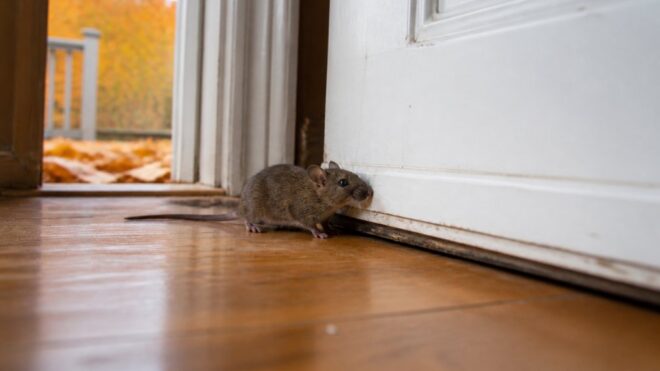
Table of Contents
- Why Rodents Enter Homes in Fall: The Seasonal Shift
- Temperature Drop and the Search for Warmth and Shelter
- Common Entry Points for Mice and Rats
- Signs of Rodent Infestation Every Homeowner Should Know
- How to Seal Gaps for Mice and Prevent Entry
- How to Get Rid of Mice in Apartment Settings
- Why Older Homes Are More Susceptible to Fall Rodent Invasions
- Conclusion
- Frequently Asked Questions
Why Rodents Enter Homes in Fall: The Seasonal Shift
The question of why do rodents enter homes in fall comes down to a simple biological drive: survival. As temperatures drop, mice and rats shift their focus from foraging in the wild to seeking reliable warmth and shelter near human dwellings. This seasonal migration is not random; it is an instinctive response to the changing environment that pushes rodents to find a stable place to nest before the colder months arrive.
The fall invasion is predictable, but it is also preventable. Understanding this behavior is the first step in protecting your property. Below, we will show you exactly how to identify the risks, spot the warning signs, and seal your home against these persistent pests before they settle in for the winter.
Rodent infestation is a leading cause of property damage and health risks in residential areas. The key is to act early, because once rodents establish a foothold, they reproduce quickly and become significantly harder to remove.
Temperature Drop and the Search for Warmth and Shelter
A drop in outdoor temperature is the primary trigger that makes rodents enter homes in fall, but the mechanism goes deeper than simple cold avoidance. When ambient temperatures fall below 50°F, a rodent’s metabolic rate increases significantly, forcing it to seek stable, insulated environments where it can conserve energy and maintain its core body temperature with minimal effort (peer-reviewed research). Your home, with its attic access, wall cavities, and crawl spaces, offers the perfect microclimate for survival, but rodents are not just looking for warmth; they are actively hunting for nesting materials.
This is where fall rodent behavior diverges sharply from spring or summer activity. In the fall, rodents prioritize locations where they can find or access insulation, shredded paper, fabric scraps, and plant fibers. They seek out attics filled with fiberglass batts, basements with cardboard boxes, and garages with stored blankets or old clothing. A rodent will often establish a primary nest in the warmest, most insulated zone of your home, typically an attic or wall cavity, and then create satellite nests in secondary locations like kitchen cabinets or under appliances. This multi-nest strategy allows them to forage for food while maintaining a secure, warm refuge.
The nesting drive is so strong in fall that rodents will chew through drywall, insulation, and even plastic storage containers to access nesting material. This behavior is not random; it is a direct response to the biological imperative to prepare for winter. A common mistake is assuming that a clean home is safe. In reality, rodents enter based on access and temperature first, then exploit whatever materials are available inside. Even a minimalist home provides sufficient insulation and fabric for a rodent colony to establish itself.
Do not wait for the first visible mouse to start rodent-proofing. By the time you see one, a family is often already nesting inside your walls, chewing through electrical wiring, creating a fire hazard, and contaminating insulation with urine and droppings that pose serious health risks.
Common Entry Points for Mice and Rats
The most common entry points for mice and rats are surprisingly small. A mouse can squeeze through a gap the width of a pencil, roughly 6 millimeters, and rats only need a hole the size of a quarter (the CDC). The exterior of your home is full of these structural gaps, from foundation cracks to spaces around utility lines and pipes.
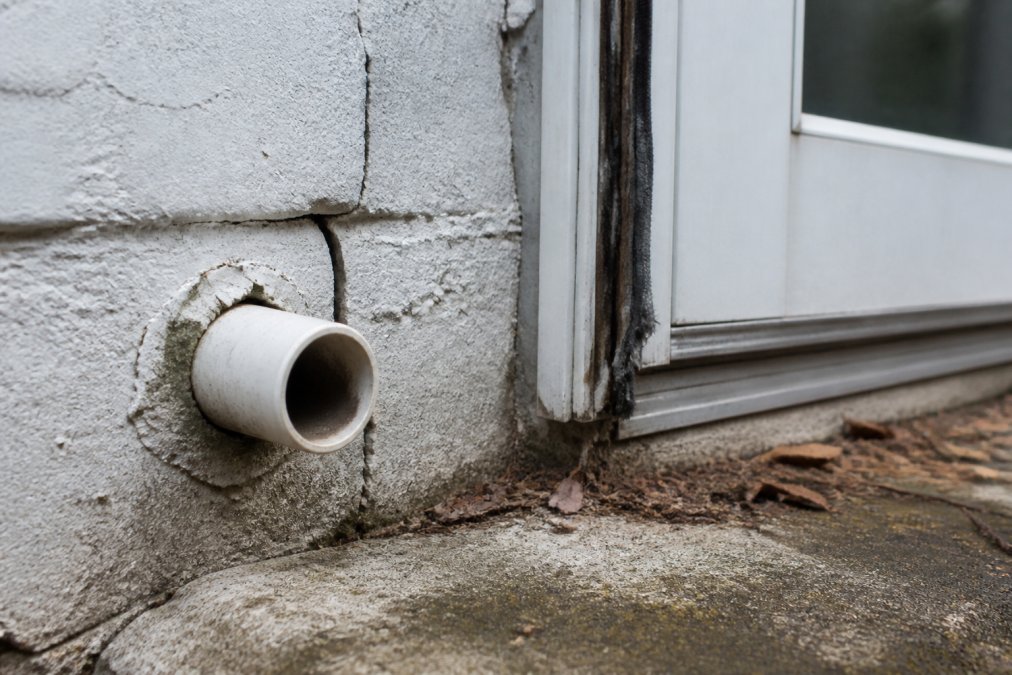
Focus your inspection on specific areas rather than the whole house. Check where siding meets the foundation, look for gaps around garage doors, and examine attic vents and soffits. Damaged weather stripping under doors is an open invitation. Rodents are also excellent climbers, so a gap near the roofline is just as accessible as one at ground level. Walk the perimeter of your home and look for any opening larger than a dime; if you can see daylight through it, a rodent can get in.
Signs of Rodent Infestation Every Homeowner Should Know
Recognizing the signs of rodent infestation early can save you from costly repairs and health risks. The most obvious indicator is droppings, which you will often find in kitchens, along baseboards, and inside drawers. These are small, dark, and pellet-shaped, and they are a clear sign of nocturnal habits and active foraging behavior.
Beyond droppings, listen for scurrying sounds in the walls or ceiling at night, a classic sign of rodent activity. Look for gnaw marks on wood, plastic, and even electrical wiring. Rodents must constantly chew to keep their teeth trimmed, and this behavior poses a serious fire hazard when they target wires. You may also notice greasy rub marks along walls where rodents travel the same path repeatedly. Nesting materials, such as shredded paper, fabric, and insulation, are another strong indicator that a population has established itself.
If you notice droppings, gnaw marks, or scurrying sounds, do not delay. Rodents carry health risks including hantavirus and salmonella, so swift action protects both your property and your family’s well-being ([the CDC](https://www.cdc.gov/healthy-pets/rodent-control/index.html)).
How to Seal Gaps for Mice and Prevent Entry
Learning how to seal gaps for mice is the most effective exclusion method you can perform. This process, known as rodent-proofing, focuses on closing off access rather than just addressing the symptoms. Start by inspecting the exterior foundation and look for cracks. Seal these with a quality exterior caulk or expanding foam designed for pest control. For larger holes, use steel wool or copper mesh packed tightly into the gap before sealing it with foam, as rodents cannot chew through metal.
| Problem | Fix | Impact |
|---|---|---|
| Gaps around pipes | Copper mesh + foam sealant | Blocks entry permanently |
| Damaged weather stripping | Replace with new door sweeps | Eliminates ground-level access |
| Foundation cracks | Exterior-grade caulk | Prevents structural entry |
| Vents and soffits | Install 1/4-inch wire mesh | Protects attic access points |
Pay attention to the areas that connect your home to the outside. Check attic access points and crawl space vents, and ensure they are covered with a fine mesh. Trim tree branches that overhang your roof, as these act as highways for rodents. Seasonal landscaping maintenance matters here; keep mulch and shrubbery pulled back from the foundation to remove hiding spots.
How to Get Rid of Mice in Apartment Settings
Learning how to get rid of mice in apartment settings requires a different strategy than a single-family home because you share walls, floors, and ceilings with your neighbors. If you see signs of rodent infestation in your unit, the problem likely extends beyond your four walls. You must focus on interior sealing and sanitation while coordinating with your building manager or landlord to address shared entry points.
In an apartment, the primary entry points are often gaps around pipes under sinks, spaces behind the stove, holes around baseboard heating units, and openings where electrical conduits enter the unit. Seal these vulnerabilities using steel wool packed tightly into the gap, followed by expanding foam rated for pest control, rodents cannot chew through steel wool, making it an effective barrier. Pay special attention to the area where the kitchen sink drain enters the wall; this is a common entry point that many apartment dwellers overlook. Store all food in airtight containers, including pet food and pantry staples, and take out the trash regularly to eliminate food sources that attract rodents from neighboring units.
Because you cannot control the entire building’s exterior or common areas, your goal is to make your individual unit as unappealing as possible while working with building management. Request that your landlord or property manager inspect and seal the building’s exterior, common wall penetrations, and basement or crawl space access points. Many apartment buildings have shared pest control contracts; if yours does, ensure the service includes fall rodent prevention and that treatments are scheduled before temperatures drop significantly.
DIY Apartment Exclusion Checklist:
- Inspect and seal gaps around all pipes entering or exiting your unit (kitchen, bathroom, laundry)
- Check baseboards for gaps; caulk any cracks with paintable, flexible caulk
- Examine the area behind the stove and refrigerator; seal gaps with steel wool and foam
- Install door sweeps on all exterior-facing doors and ensure weather stripping is intact
- Check around electrical outlets on exterior walls; seal gaps with foam sealant
- Inspect cabinet undersides and around sink plumbing; use steel wool to block access
- Remove clutter and cardboard boxes; store items in sealed plastic containers
- Notify building management of any signs of infestation in shared spaces (basement, hallways, common areas)
- Request that the building seal exterior foundation cracks and gaps around utility lines
- Coordinate with neighbors; if they have infestations, building-wide treatment may be necessary
If the infestation is severe or persists after your exclusion efforts, professional help is usually required to address the shared walls and common areas effectively. Many apartment buildings contract with licensed pest control providers who can treat multiple units simultaneously and seal building-wide vulnerabilities that individual tenants cannot access. Discuss treatment options with your landlord before proceeding, as some methods (such as rodent traps or bait stations) require coordination across units to be effective.
Why Older Homes Are More Susceptible to Fall Rodent Invasions
Older homes are more susceptible to fall rodent invasions because they naturally accumulate more structural gaps over time. Settling foundations create new cracks, original wood siding warps, and decades of weather wear down weather stripping and seals. These homes often have unsealed gaps around original brickwork and chimneys, providing easy access to the warmth and shelter rodents crave.
The character of an older home is often its charm, but that charm comes with hidden vulnerabilities. If you live in a pre-war building or a historic house, you should expect more entry points than a modern construction. This is why a thorough inspection is non-negotiable. While DIY efforts help, the complexity of older structures often means you miss several access points. A professional assessment can identify the specific areas where your home is most at risk, ensuring your exclusion efforts are complete and effective.
Conclusion
Preventing rodents from entering your home in the fall requires understanding their behavior and acting on it before the temperature drops. Sealing structural gaps, removing food sources, and recognizing the early signs of rodent infestation are your best defenses. For many homeowners, especially those in older buildings, the task can feel overwhelming.
That is where professional help makes the difference. Zoifia Pest Control provides licensed and insured rodent exclusion and removal services backed by a 90-day guarantee, giving you peace of mind without locking you into a long-term contract. Our team responds quickly to assess your property, seal vulnerabilities, and eliminate existing populations. Get A Quote today and ensure your home stays rodent-free this season.
Frequently Asked Questions
What time of year do rodents enter homes most?
Rodents enter homes most aggressively in fall as outdoor temperatures drop. Mice and rats seek warmth and shelter starting in September and October, with activity peaking through November and December. This seasonal migration occurs because rodents need stable indoor environments to survive freezing temperatures and reduce their foraging efforts during scarce food months.
What are the early signs of a rodent infestation in fall?
Early warning signs include droppings near food sources or in corners, gnaw marks on food packaging and wood, scurrying sounds in walls at night, and a musty odor. You may also notice nesting materials like shredded paper or insulation in hidden areas. Catching these signs of rodent infestation early allows you to act before populations grow, making removal easier and preventing property damage.
How do I seal gaps for mice around my home?
Inspect your foundation, walls, and roof for cracks wider than a quarter-inch. Use steel wool, caulk, or expanding foam to seal gaps for mice in areas where utilities enter your home. Install weather stripping around doors and windows, and repair damaged screens. Focus on vulnerable spots like attic access points and crawl spaces. For professional-grade sealing, consult a licensed pest control service to ensure all exclusion methods are properly installed.
Can I get rid of mice in my apartment without a long-term contract?
Yes. Many pest control companies, including Zoifia Pest Control, offer one-time treatments for renters without requiring long-term contracts. A single professional visit can eliminate active rodents and address entry points. However, apartment living presents unique challenges since mice may enter from neighboring units. Coordinate with your landlord and property management to ensure comprehensive treatment across the building for lasting results.
This article was written using GrandRanker
