Table of Contents
- Is Professional Pest Control Worth the Cost?
- Average Cost of Residential Pest Control vs. DIY
- DIY vs Professional Pest Control: What Actually Works
- How Often Should Pest Control Be Done?
- Signs You Need a Professional Exterminator Now
- How to Get Rid of Wasps Without Long-Term Contracts
- Conclusion: Budgeting for Pest Control That Pays Off
- Frequently Asked Questions
Last Updated: September 5, 2026
Is Professional Pest Control Worth the Cost?
For most homeowners, residential pest control is worth the cost when an infestation threatens your property, your health, or your peace of mind. The longer answer requires weighing upfront expenses against structural damage, health hazards, and the hidden costs of failed DIY attempts.
Pest control is the practice of managing or eliminating unwanted insects and rodents from your living space. Many homeowners assume they can handle any pest problem with a trip to the hardware store, but that assumption breaks down quickly when an infestation has taken hold.
This guide breaks down the actual costs, what you get for your money, and when DIY solutions genuinely work versus when they waste your time and cash.
Average Cost of Residential Pest Control vs. DIY
Comparing professional pest control to DIY requires looking beyond the sticker price. A single can of spray costs a fraction of a service visit, but that comparison ignores effectiveness, longevity, and what happens when the problem persists.
DIY solutions appear cheaper upfront. You might spend $20 to $50 on traps, sprays, or bait stations. For a single ant trail or a few spiders, that investment often resolves the issue completely. The trouble starts with established colonies, nesting rodents, or pests that have spread behind walls and under floors, where store-bought products typically address surface activity, not the source.
Professional exterminators charge more because they bring training, commercial-grade products, and the ability to identify the root cause. A service visit includes a proper inspection, targeted treatment based on the specific pest and its biology, and follow-up monitoring. The expertise matters most with pests like bed bugs or termites, where misidentification or incomplete treatment allows the problem to rebound stronger than before.
Breaking Down the Real Numbers
The figures below reflect common market rates for single-family homes in the United States. Your local pricing will vary based on your region, home size, and the severity of the infestation.
| Service Type | Typical One-Time Cost | Typical Annual Cost (Recurring) | What It Typically Covers |
|---|---|---|---|
| DIY Supplies (Hardware Store) | $20 – $50 per incident | $60 – $150 | Sprays, traps, baits for surface-level issues |
| One-Time Professional Treatment | $150 – $500 | N/A | Inspection, targeted treatment for a specific pest |
| Quarterly Preventative Service | $100 – $300 per visit | $400 – $1,200 | Scheduled inspections, exterior barrier treatment, interior spot treatment, and re-treatment if pests return between visits |
| Monthly Service (High-Pressure Areas) | $50 – $150 per visit | $600 – $1,800 | More frequent monitoring and treatment for severe infestations or high-risk climates |
| Termite-Specific Treatment | $500 – $3,000+ | N/A | Liquid soil barrier, baiting system installation, or fumigation |
| Bed Bug Heat Treatment | $1,000 – $2,500 | N/A | Whole-home heat treatment to eliminate all life stages |
What You Pay For With a Professional Exterminator
When you hire a licensed technician, you’re paying for several distinct things that DIY products simply don’t offer. First is the inspection itself, a systematic search for entry points, nesting sites, moisture issues, and conditions that attract pests. Catching the source early prevents repeat infestations.
Second is the appropriate chemical application. Professionals use products regulated for specific pests and situations, applied at correct concentrations and in the right locations. Misapplied pesticides can be ineffective, hazardous, or both. Third is the guarantee. Many reputable companies back their work with a service guarantee, meaning if pests return between treatments, they come back at no additional charge.
The Hidden Cost of DIY Failure
The real financial trap with DIY pest control isn’t the price of supplies, it’s the cost of failure. A failed attempt doesn’t just waste the money you spent on products; it gives the infestation time to grow, meaning the eventual professional treatment costs more than it would have initially.
Termites are the clearest example. A homeowner who notices minor signs and tries a DIY treatment may delay calling a professional for months. During that window, termites continue feeding on structural wood. The National Pest Management Association’s guidance on termite damage notes that termite damage is typically not covered by homeowners insurance, leaving repair costs entirely on the homeowner. What started as a $300 treatment becomes a $3,000 repair. The same principle applies to rodents, which chew through wiring and insulation, creating fire hazards and expensive damage that compounds while you experiment with traps.
A common pattern is that a homeowner spends $40 on a foam spray for a suspected termite issue, sees no visible activity for a few weeks, and assumes the problem is solved. In reality, the colony is still active deeper in the structure. By the time a professional inspection reveals the extent of the damage, the repair bill often dwarfs what early professional intervention would have cost.
DIY vs Professional Pest Control: What Actually Works
Not every pest problem requires a professional, and knowing the difference saves money without risking your home.
DIY solutions work well for prevention and minor issues. Sealing cracks around doors and windows, keeping food in airtight containers, removing standing water, and maintaining clean gutters all reduce pest pressure. For occasional ants, fruit flies, or a single spider, store-bought traps and sprays generally suffice. Routine home maintenance is your first line of defense, and it costs little beyond your time.
Professional intervention becomes necessary when you see signs of an established infestation. This includes finding droppings consistently, hearing scratching in walls, noticing damaged wood, or seeing pests in multiple rooms. It also applies to specific pests that are notoriously difficult to eliminate without commercial products and training.
| Pest Problem | DIY Approach | When to Call a Professional |
|---|---|---|
| Occasional ants or spiders | Store-bought sprays, traps | Persistent activity despite treatment |
| Fruit flies | Traps, removing rotting produce | Recurring swarms after cleanup |
| Mice (1-2 sightings) | Snap traps, sealing entry points | Multiple sightings, droppings in several areas |
| Roaches | Gel baits, sticky traps | Seeing them during daylight, large infestations |
| Wasps | Store-bought aerosol sprays | Nests in walls, soffits, or hard-to-reach areas |
| Bed bugs | Over-the-counter foggers | Any confirmed sighting; DIY rarely eradicates them |
| Termites | Surface sprays | Any suspected structural activity |
The pattern is consistent: DIY handles prevention and isolated sightings, while professionals handle established colonies, nesting rodents, and structural pests. Attempting to treat the latter category yourself typically prolongs the problem and increases total cost.
How Often Should Pest Control Be Done?
For most homes, a quarterly treatment schedule provides effective ongoing protection. Seasonal changes bring different pests, and regular preventative maintenance stops problems before they become visible. Spring brings ants and termite swarmers, summer brings wasps and mosquitoes, and fall drives rodents indoors seeking warmth.
Homes in areas with high pest pressure may need monthly service, while properties with no history of issues might manage with biannual treatments. The right frequency depends on your location, the age and condition of your home, and your tolerance for pest activity.
A recurring service contract offers several advantages beyond simple treatment. Technicians become familiar with your property, noticing changes and potential problem areas early. Many companies prioritize existing contract customers for emergency calls, and preventative visits cost less than emergency treatments.
The Real Question: What Happens When You Want to Cancel?
Most articles stop at frequency, but the true measure of a contract’s ‘worth’ lies in its flexibility. A service plan that locks you in for a year with a hefty cancellation fee is a different financial animal than one you can pause or stop with 30 days’ notice. Before signing any recurring agreement, ask these questions:
- What is the cancellation policy? Some companies require a full year of service, while others allow month-to-month agreements. The Federal Trade Commission’s guidance on negative option marketing highlights that consumers must be clearly informed of the terms of any automatic renewal or continuity plan. Read the fine print on auto-renewal clauses.
- Is there a service guarantee, and what does it actually cover? A guarantee that promises re-treatment for the same pest is standard. A stronger guarantee also covers new pests that appear between visits. Ask whether the guarantee is voided if you miss a scheduled visit.
- Are there separate charges for ’emergency’ calls? Some contracts cover unlimited service calls, while others charge a premium for visits outside the scheduled window. This can add $100 to $200 to your annual cost if you have a mid-season flare-up.
- Can you pause service? If you’re a snowbird or travel extensively, ask if you can suspend service for a few months without losing your contract status or paying a re-start fee.
Regional Pest Pressure Changes the Math
The ‘right’ frequency is not a one-size-fits-all answer. In the humid Southeast, warmth and moisture support year-round ant, roach, and termite activity, making quarterly or even monthly service a practical necessity. In the dry Southwest, scorpions and certain spiders may be the primary concern, and a quarterly perimeter treatment might suffice. In colder northern climates, pest pressure often peaks in spring and fall, meaning a biannual or seasonal plan could be cost-effective.
A homeowner in a mild, dry climate with no history of infestations might find that a single annual inspection plus a proactive DIY prevention routine is sufficient. Conversely, a home in a humid, wooded area with a known termite presence would be taking a significant financial risk by skipping a professional termite monitoring program.
The Flexibility Factor: One-Time vs. Recurring Service
For many homeowners, the ideal arrangement is not a rigid annual contract but a flexible plan that can be adjusted as conditions change. A reputable company should be willing to start with a one-time comprehensive treatment to address an immediate issue, then recommend a follow-up schedule based on the results.
This is where the value of a service guarantee becomes clear. A company that stands behind its work with a 90-day guarantee is signaling that it expects the initial treatment to be effective. If pests return within that window, they will come back at no charge, shifting the risk from you to the service provider. When comparing quotes, ask not just about the price per visit but about the terms of the guarantee and the flexibility to adjust frequency as your needs change.
Signs You Need a Professional Exterminator Now
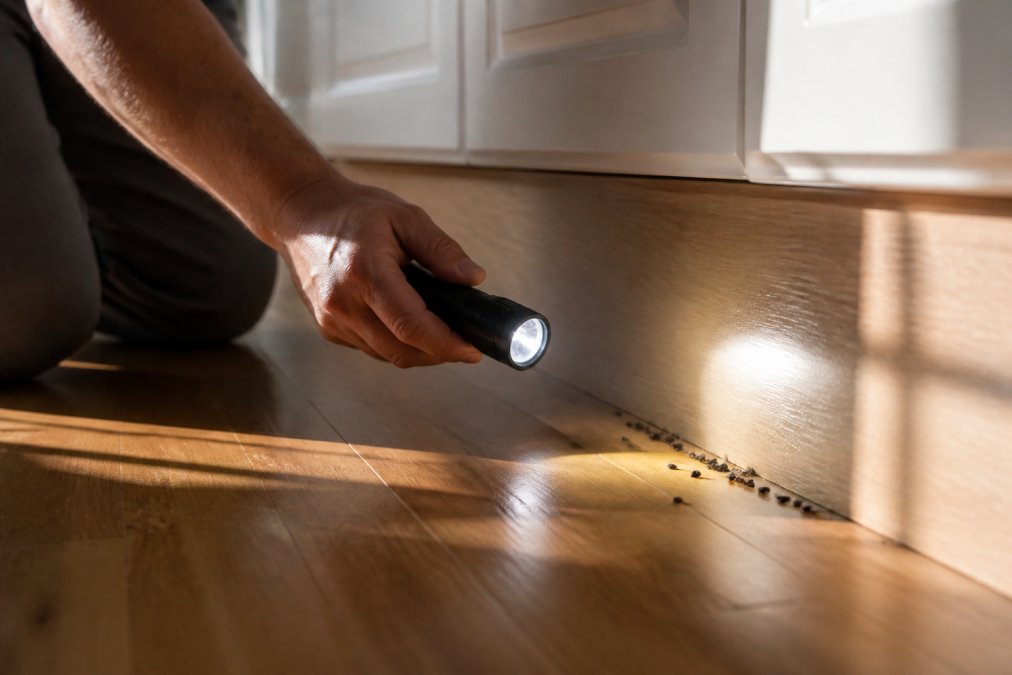
Certain warning signs mean the problem has progressed beyond what DIY solutions can handle. Acting quickly limits damage and reduces treatment costs.
- Frequent sightings: Seeing mice or roaches during the day suggests a large population. Nocturnal pests only appear in daylight when their numbers have outgrown their hiding spaces.
- Droppings in multiple locations: Finding feces in several rooms, drawers, or along baseboards indicates widespread activity, not a single stray invader.
- Structural damage: Damaged wood, gnaw marks on wires, or holes in drywall point to pests actively destroying your home.
- Scratching or squeaking in walls: Rodents nesting inside walls or attics require exclusion work and trapping that goes far beyond surface treatment.
- Wasp nests in wall voids or soffits: Nests hidden inside structures are dangerous to remove without proper equipment and protective gear.
- Bite marks or skin irritation: Unexplained bites, especially in a linear pattern, often signal bed bugs, which are extremely difficult to eliminate without professional heat treatments or chemical application.
Delaying professional help at these signs allows the infestation to expand, raising both the cost of treatment and the risk of property damage. The Environmental Protection Agency’s guidance on pest management emphasizes that integrated pest management, which combines prevention, monitoring, and targeted control, is more effective than reactive spraying alone. That approach requires the knowledge and tools a professional brings.
How to Get Rid of Wasps Without Long-Term Contracts
Wasp problems are often urgent, but they don’t necessarily require a year-round service commitment. Many homeowners want the nest gone quickly without signing up for ongoing treatments they don’t need.
For visible, accessible nests, store-bought aerosol sprays can work from a safe distance, but they carry risk. Disturbing a nest without fully eliminating the colony can trigger aggressive swarming. Protective clothing and careful timing, ideally at dusk when wasps are less active, are essential.
Nests located inside wall voids, under siding, or in other enclosed spaces require professional treatment. Spraying the visible entrance doesn’t kill the colony inside, and you risk trapping agitated wasps that may find their way into your living space. Professionals can apply dust formulations that reach the entire nest and eliminate the colony safely.
The key concern for many homeowners is flexibility. Some pest control companies require annual contracts even for a single wasp treatment. Zoifia Pest Control handles wasp removals without requiring long-term commitments, letting you address the immediate threat and decide later whether ongoing preventative service makes sense for your property. This approach suits renters who need landlord approval for treatments, landlords managing multiple properties, and homeowners who prefer to handle prevention themselves.
Conclusion: Budgeting for Pest Control That Pays Off
The decision ultimately comes down to risk assessment. Minor pest activity that responds to DIY prevention is worth handling yourself. Signs of an established infestation, structural pests, or health hazards like rodent droppings and cockroach allergens demand professional attention. Waiting almost always costs more.
Budgeting for pest control means treating it as home maintenance, not an emergency expense. Regular inspections catch problems early, and preventative treatments cost less than reactive ones. The peace of mind that comes from knowing your home is protected justifies the investment for most homeowners.
Zoifia Pest Control provides licensed and insured services for homes and businesses across the Metro Boston area, with fast response times and a 90-day guarantee on treatments. Every service is backed by that guarantee, so if pests return, so do we, at no additional cost. Whether you need a one-time removal or recurring preventative care, there’s no requirement to sign a long-term contract. Get a quote today and see what professional, flexible pest control actually costs for your property.
Frequently Asked Questions
Is pest control a rip-off?
Pest control feels like a rip-off when you pay for a single visit and the pests return a few weeks later. That usually happens when the treatment only addresses the visible bugs, not the nest or entry points. Professional services that include inspection, targeted chemical application, and follow-up visits provide better value. Ask what the quote covers before you pay. A 90-day guarantee shows the company stands behind its work, which protects your upfront cost.
How often should you have professional pest control?
Most homes benefit from quarterly treatments, or about four times per year. This schedule aligns with seasonal pest pressure: ants and roaches surge in warmer months, while rodents seek shelter indoors during fall and winter. Homes in older buildings with known infestations may need monthly service initially, then transition to a maintenance plan. If you choose one-time removal, ask the provider how long the treatment lasts and what the follow-up policy covers.
Does DIY pest control actually work for long-term prevention?
DIY solutions work for small, isolated problems like a few ants on the counter. They usually fail against established infestations because store-bought sprays kill the bugs you see but miss the colony, nest, or entry points. Long-term prevention requires sealing gaps, removing food sources, and applying barrier protection in the right places. If you have tried DIY for several weeks without results, the cost of continued product purchases exceeds the price of one professional visit.
What’s the worst pest to have in your house?
Termites cause the most expensive damage, often destroying structural wood before you notice them. Rodents pose health hazards by contaminating food and chewing wires, which creates fire risk. Bed bugs are the most stressful because they spread quickly and require thorough treatment of bedding and furniture. Any pest becomes worse the longer you wait. Early intervention with a professional exterminator costs less than repairing structural damage or replacing contaminated belongings.
This article was written using GrandRanker
