Table of Contents
- Modern Pest Alternatives for Boston Homes: What Works
- Eco-Friendly Pest Control Companies and Services
- How to Choose a Pest Control Service
- Residential Pest Control Cost Comparison
- Integrated Pest Management and Preventative Strategies
- Non-Toxic and Botanical Alternatives to Chemical Treatment
- Seasonal Pest Activity and Year-Round Protection
- Conclusion
Last Updated: August 15, 2026
Modern Pest Alternatives for Boston Homes: What Works
Finding effective pest control in Boston requires understanding what works in older homes with unique structural challenges. Modern pest alternatives have evolved significantly, moving beyond traditional chemical treatments to include science-driven approaches, eco-friendly solutions, and integrated strategies tailored to New England’s seasonal pest cycles. This guide from Zoifia Pest Control breaks down the most effective modern pest alternatives available to homeowners dealing with everything from rodents to bed bugs in the Metro Boston area.
Modern pest alternatives in Boston fall into three categories: professional eco-friendly services, integrated pest management strategies, and DIY approaches. Each has distinct advantages depending on infestation severity, property age, and your tolerance for hands-on involvement.
Eco-Friendly Pest Control Companies and Services
Science-Driven Urban Solutions
Boston’s unique urban environment, historic brownstones, dense multi-family housing, and century-old infrastructure, creates specific pest challenges that generic approaches often miss. Science-driven services recognize that Boston homes have different vulnerabilities than suburban properties, requiring targeted strategies.
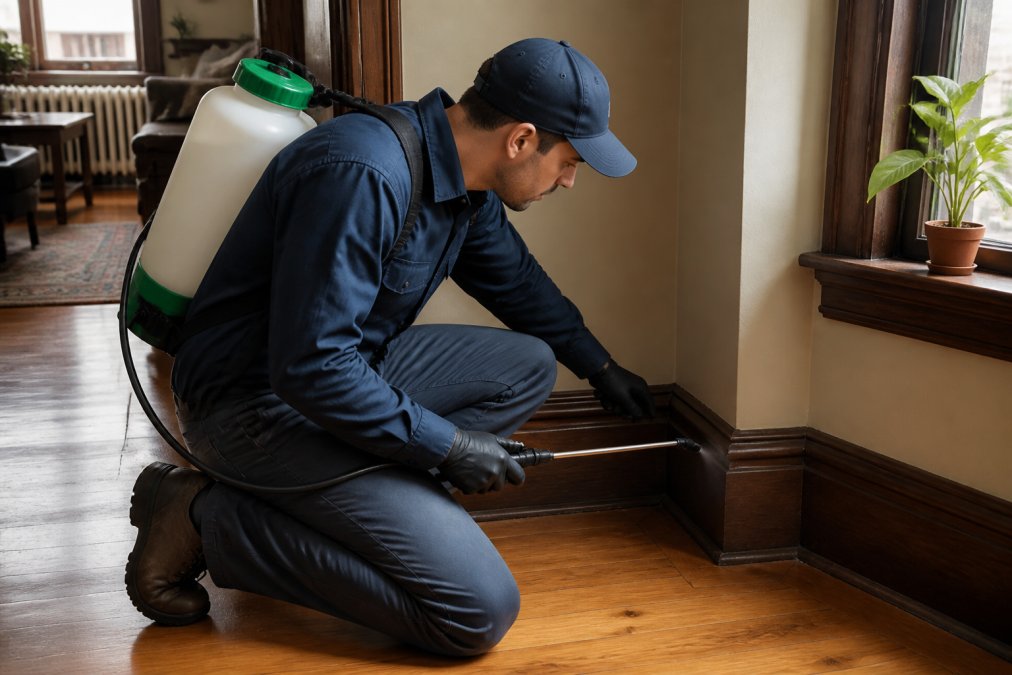
Ecologic Entomology’s Home Guard Program exemplifies this approach. Their service combines entomological expertise with Boston’s specific architecture, addressing mice, cockroaches, ants, and other pests common to older residential buildings. They customize treatment schedules around spring and fall seasons when pest pressure peaks in New England, offering free re-service if pests persist between visits. This model treats pest management as an ongoing process rather than a one-time event, focusing on prevention and monitoring rather than just elimination.
Organic and Natural Treatment Options
GreenHow Organic Based Lawn Care Pest and Termite Control represents the organic alternative within professional services, emphasizing natural, low-impact solutions effective against common Boston household pests. The Sentricon Termite Colony Elimination System they use is particularly relevant for Boston homes, where termite damage to older wooden structures represents a significant long-term threat. This bait-and-monitor approach targets the entire colony rather than surface treatment, making it effective for the structural vulnerabilities common in New England housing stock.
Organic approaches appeal to homeowners with pets, children, or environmental concerns. However, they typically require more frequent monitoring and may not suit severe, active infestations.
Organic treatments often require longer timeframes to show results compared to traditional chemical approaches. If you’re dealing with an active bed bug infestation or severe rodent problem, organic-only solutions may be too slow. Consider hybrid approaches that combine organic treatment with targeted chemical intervention in specific areas.
How to Choose a Pest Control Service
Licensing, Insurance, and Guarantees
Your first filter when evaluating any pest control service should be verification of licensing and insurance. In Massachusetts, pest control technicians must be licensed by the Department of Agricultural Resources. This protects you if something goes wrong during treatment.
The guarantee structure reveals how confident a company is in their work. Zoifia Pest Control’s 90-day guarantee means you’re covered if pests return within that window, no additional charge, no extended contract required.
Response Time and Flexibility
Emergency pest situations demand fast response. Many homeowners report that response time matters more than price when dealing with urgent infestations. Zoifia Pest Control prioritizes fast response and flexible scheduling, crucial for renters and property managers who can’t commit to long-term contracts. The ability to schedule one-time treatment without mandatory monthly service is increasingly important in Boston’s rental market.
Residential Pest Control Cost Comparison
Professional Services vs. DIY Approaches
The cost calculus between professional services and DIY approaches depends on infestation severity, your time availability, and risk tolerance for improper application.
Professional services like Terminix’s Pest Free365 Plan offer year-round coverage for common household pests at a known annual cost, including interior and exterior inspections and seasonal treatments. DIY pest control through retailers like DIY Pest Control offers significant cost savings for minor infestations or preventative maintenance, with professional-grade products available at a fraction of professional service costs.
For most homeowners, the optimal approach is hybrid: use professional services for initial severe infestations or annual inspections, then maintain prevention with DIY products between professional visits.
| Approach | Best For | Cost Range | Time Commitment | Effectiveness |
|---|---|---|---|---|
| Professional Annual Service | Year-round prevention | Contact for quote | Minimal | High with guarantee |
| Professional One-Time Treatment | Active infestation | Contact for quote | Single visit | High with follow-up |
| DIY Products | Minor issues, maintenance | $25-$50 per product | Moderate to high | Moderate (application-dependent) |
| Hybrid (Professional + DIY) | Most homeowners | Mixed | Low to moderate | High with planning |
If you’re dealing with an infestation in an older Boston building, get a professional inspection first. Older homes have unique structural vulnerabilities, [hidden entry points](/how-to-identify-rodent-entry-points/), wall cavities, and foundation cracks that DIY approaches often miss. A single professional inspection ($100-$200 typically) can reveal problems you’d spend hundreds fixing with ineffective DIY attempts.
Integrated Pest Management and Preventative Strategies
Habitat Modification and Entry Point Sealing
Integrated Pest Management (IPM) represents a shift from "kill everything" to "eliminate conditions that attract pests." This approach combines inspection, identification, habitat modification, and targeted treatment, typically using the least toxic option first.
Entry point sealing is the most cost-effective preventative measure. Boston’s older housing stock provides abundant entry routes for rodents and insects through gaps around pipes, foundation cracks, and spaces around window frames. Systematic sealing using caulk, weatherstripping, and hardware cloth creates a permanent physical barrier that no chemical treatment can replicate.
Sanitation Protocols and Monitoring Systems
Sanitation protocols address why pests came in the first place. Food debris, standing water, clutter, and poor waste management attract pests. Implementing sealed food storage, regular trash removal, and moisture control eliminates the conditions that make your home attractive.
Monitoring systems like pheromone traps serve dual purposes: they confirm the presence and type of pest, and they reduce populations through capture. These non-toxic, reusable traps provide ongoing monitoring without chemical residue.
Non-Toxic and Botanical Alternatives to Chemical Treatment
Pheromone Traps and Heat Treatment Methods
Pheromone-based approaches exploit how pests communicate and navigate, using species-specific pheromones to attract and capture insects and rodents without toxins. For bed bugs specifically, heat treatment has emerged as one of the most effective non-chemical alternatives.
Heat treatment raises the temperature of an infested space to 118°F or higher, killing bed bugs and eggs at all life stages. Unlike chemical treatments requiring multiple applications, heat treatment is a single intervention that eliminates the entire population. The drawback is cost and logistics, though for severe infestations, it’s often the most effective option.
Botanical alternatives like neem oil and diatomaceous earth offer natural pest control. Diatomaceous earth (food-grade only) damages insect exoskeletons, causing dehydration. Neem oil disrupts insect reproduction and feeding patterns. Both are slower-acting than chemical alternatives but lack toxicity concerns.
Boston-Specific Structural Vulnerabilities and Solutions
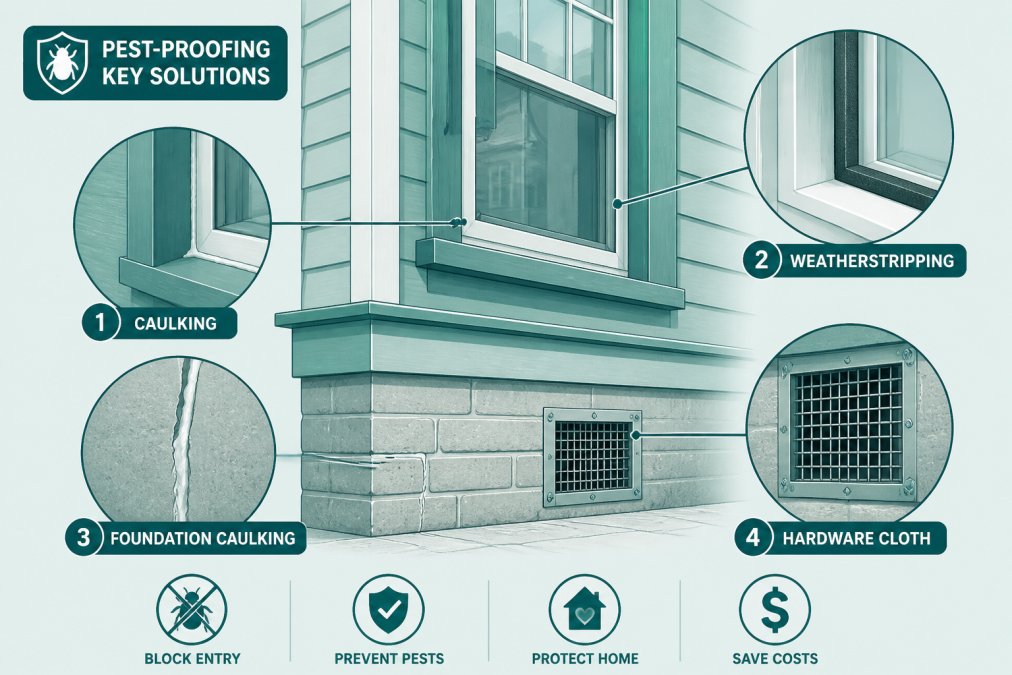
Boston’s housing stock presents unique pest control challenges. Many homes were built before modern building standards, with construction methods that created pest highways. Foundation cracks, gaps around utility penetrations, and spaces between siding and foundation are standard construction from that era.
Rodent exclusion in Boston homes requires understanding these vulnerabilities. Mice need only a gap the size of a dime to enter. Professional pest-proofing involves sealing gaps with materials mice and rats can’t chew through: hardware cloth, steel mesh, and caulk rather than foam alone.
Common Boston-specific vulnerabilities include gaps around basement window wells, spaces where utilities enter through basement walls, cracks in mortar between brick, gaps between wooden siding and foundation, and entry points around attic soffit and fascia boards. Addressing these through systematic inspection and targeted sealing eliminates the need for ongoing chemical treatment and provides permanent protection.
Seasonal Pest Activity and Year-Round Protection
New England’s seasonal cycles create predictable pest pressure patterns. Spring brings increased rodent activity as mice and rats emerge from winter nesting. This is the optimal time for rodent exclusion work before populations expand. Spring also marks the beginning of ant season.
Summer intensifies pest pressure across all species. Cockroaches thrive in warm conditions. Fall represents a critical window for preventative treatment as temperatures drop and rodents and insects seek shelter indoors. Winter pest activity drops significantly for outdoor pests but increases indoors for species like cockroaches and bed bugs.
Year-round protection doesn’t mean constant treatment. It means aligning preventative measures with seasonal pest cycles: spring exclusion work, summer monitoring, fall preparation, and winter maintenance create a comprehensive strategy that reduces chemical treatment needs while maintaining protection.
Choosing modern pest alternatives for Boston homes means moving beyond one-size-fits-all chemical treatment toward strategies that match your specific situation. Whether you’re dealing with an active infestation requiring immediate professional intervention or implementing long-term preventative measures, the options available today are more effective and less toxic than they were a decade ago.
For homeowners in the Metro Boston area facing urgent pest situations, Zoifia Pest Control offers licensed, insured services backed by a 90-day guarantee with no long-term contract requirement. Their fast response times and flexible scheduling make them particularly valuable for renters and property managers managing recurring pest issues in older buildings. Get a quote to understand your specific options and costs.
Frequently Asked Questions
What are the most effective modern pest alternatives for Boston homes?
Modern pest alternatives include integrated pest management (IPM) strategies, eco-friendly treatments from certified companies, DIY professional-grade products, and preventative measures like entry point sealing and habitat modification. The most effective approach depends on your pest type, infestation severity, and preference for chemical versus non-toxic solutions. Licensed and insured professionals can assess your specific situation and recommend targeted alternatives suited to Boston's older architectural stock.
How do I compare residential pest control cost between professional services and DIY options?
Professional pest control services typically cost between $500-$800 annually for year-round coverage, though pricing varies by property size and pest type. DIY professional-grade products range from $25-$50 per item but require correct application and pest identification. Professional services offer guarantees and expertise; DIY saves money but demands time and knowledge. For severe infestations or complex situations common in older Boston homes, professional service often provides better value despite higher upfront costs.
What makes eco-friendly pest control companies different from traditional exterminators?
Eco-friendly pest control companies use organic, low-impact, and natural treatment methods that are safer for families and pets. They emphasize preventative maintenance and habitat modification rather than heavy chemical applications. Many specialize in urban pest challenges specific to Boston's architecture, offering customized treatment schedules and family-safe alternatives. While pricing requires a custom quote, these services appeal to homeowners prioritizing environmental safety and long-term pest prevention.
How do I know if a pest control service is legitimate and trustworthy?
Verify that the company is licensed and insured, which protects you if damage occurs during treatment. Look for transparent pricing, a clear service guarantee (like a 90-day guarantee), and flexibility with contracts. Check for free inspections and written estimates before service begins. Ask about re-service policies if pests return, reputable companies stand behind their work. Fast response times and the ability to schedule one-time treatments without long-term contracts are additional signs of a customer-focused, reliable service.
Are there non-toxic alternatives that actually work for bed bugs and rodent control?
Yes. Heat treatment is highly effective for bed bugs and requires no chemicals. For rodents, rodent exclusion (sealing entry points) combined with trapping and habitat modification prevents infestations without toxins. Pheromone traps and monitoring systems help detect pests early. Botanical repellents and organic-based treatments work for some pests but may be less effective for severe infestations. A licensed professional can determine whether non-toxic alternatives suit your specific infestation or if stronger intervention is necessary.
This article was written using GrandRanker
