Table of Contents
- Why Recurring Pest Maintenance Matters for Boston Rental Properties
- Landlord vs. Tenant Legal Responsibilities Under Massachusetts Law
- How Often to Schedule Pest Control for Rentals in Boston
- Integrated Pest Management: A Proactive Approach to Prevention
- Tax Deductions for Rental Property Maintenance and Pest Control
- The Financial Case: ROI and Long-Term Cost Savings
- Protecting Tenant Satisfaction and Property Marketability
- Conclusion
Last Updated: August 8, 2026
Why Recurring Pest Maintenance Matters for Boston Rental Properties
Recurring pest maintenance is scheduling regular, preventative pest control treatments on a set schedule rather than waiting for an infestation to occur. For Boston rental properties, this approach transforms pest management from a reactive crisis into a controlled, predictable expense that protects both your investment and your tenants’ quality of life.
Boston’s rental market faces unique challenges. Older buildings dominate the metro area, and their age creates vulnerability. Brick foundations with gaps, wooden framing with cracks, and aging plumbing create entry points that pests exploit. A single untreated unit can become a hub for rodent or roach populations that spread throughout your building within weeks. One emergency service call to handle a severe infestation costs more than six months of preventative treatment.
Recurring pest maintenance also protects tenant retention. Pest problems drive renters out faster than almost any other maintenance failure. One roach sighting, one mouse dropping, or one bed bug bite, and tenants leave, taking their lease and positive reviews with them. The cost of losing a tenant, finding a replacement, and managing turnover easily exceeds the annual cost of professional pest maintenance.
This guide from Zoifia Pest Control breaks down why recurring pest maintenance is a financial and legal necessity for Boston landlords. We’ll cover Massachusetts law, scheduling best practices, the ROI calculation, and how to communicate with tenants about maintenance that protects everyone.
Landlord vs. Tenant Legal Responsibilities Under Massachusetts Law
Massachusetts law is clear about pest control responsibility. Under Massachusetts General Laws Chapter 93A and the State Sanitary Code (105 CMR 410.000), landlords are responsible for maintaining rental units in a condition fit for human habitation, including keeping the property free from pest infestations and the conditions that attract them.
A pest infestation violates habitability standards. Landlords cannot pass pest control responsibility to tenants in a lease agreement, any such clause is unenforceable under Massachusetts law.
Tenants must report pest problems promptly and maintain sanitary conditions in their unit. However, if a tenant reports a pest problem, the landlord must act. Ignoring a written request creates liability and may constitute harassment or breach of the warranty of habitability.
Recurring pest maintenance is a landlord’s legal obligation, not optional. Failing to provide it opens you to tenant complaints, housing code violations, and potential lawsuits. Boston’s housing inspectors take habitability seriously, and pest infestations are a common citation. Recurring maintenance with a licensed, insured provider like Zoifia Pest Control creates a documented record that you’re meeting your legal obligations.
How Often to Schedule Pest Control for Rentals in Boston
For preventative maintenance in Boston rental properties, most benefit from quarterly treatments (four times per year). This schedule aligns with seasonal pest cycles in New England. Rodents seek shelter indoors as temperatures drop in fall and winter. Roaches become more active in spring and summer. Quarterly service ensures coverage during peak seasons while maintaining year-round protection.
Older buildings, particularly those built before 1980, should lean toward quarterly or bi-monthly service. These properties have more structural vulnerabilities and longer pest activity histories. The cost of more frequent treatment is far less than treating an established infestation.
Newer, well-maintained buildings in good condition may operate on a semi-annual schedule (twice per year) if neighborhood pest pressure is low. However, quarterly service is the standard for most Boston properties.
Multi-unit buildings require comprehensive quarterly pest maintenance in all units, not just reported problem areas. A roach infestation in one unit spreads to adjacent units within weeks if left untreated. Preventative maintenance in all units prevents this spread.
New tenants should trigger immediate treatment before occupancy. Units that turn over should receive treatment before the next tenant moves in. Fall and winter (September through March) are peak rodent season; spring and summer (April through August) see increased roach and insect activity. Schedule treatments to hit these peaks.
Integrated Pest Management: A Proactive Approach to Prevention
Integrated Pest Management (IPM) is a science-based approach combining multiple strategies to prevent and control pest populations while minimizing chemical use and environmental impact. For rental properties, IPM is far more effective than reactive pest control because it addresses the conditions that attract pests.
IPM has three core components: exclusion, sanitation, and targeted treatment.
Exclusion means sealing entry points and denying pests access to the building. This includes caulking gaps around pipes, sealing foundation cracks, installing door sweeps, and repairing damaged screens. In Boston’s older buildings, exclusion is critical because structural vulnerabilities are common. A professional pest control technician inspects systematically and identifies entry points that property managers miss.
Sanitation involves removing food sources, water sources, and harborage areas that attract pests. This means proper waste management, fixing leaky pipes, removing clutter, and maintaining landscaping. For rental properties, sanitation includes educating tenants about practices that prevent infestations.
Targeted treatment uses pesticides strategically only when monitoring data indicates a pest population is present or imminent. Rather than spraying broadly, IPM-based providers place monitoring devices and treat only specific areas and species that need it. This reduces chemical exposure for tenants and protects the environment.
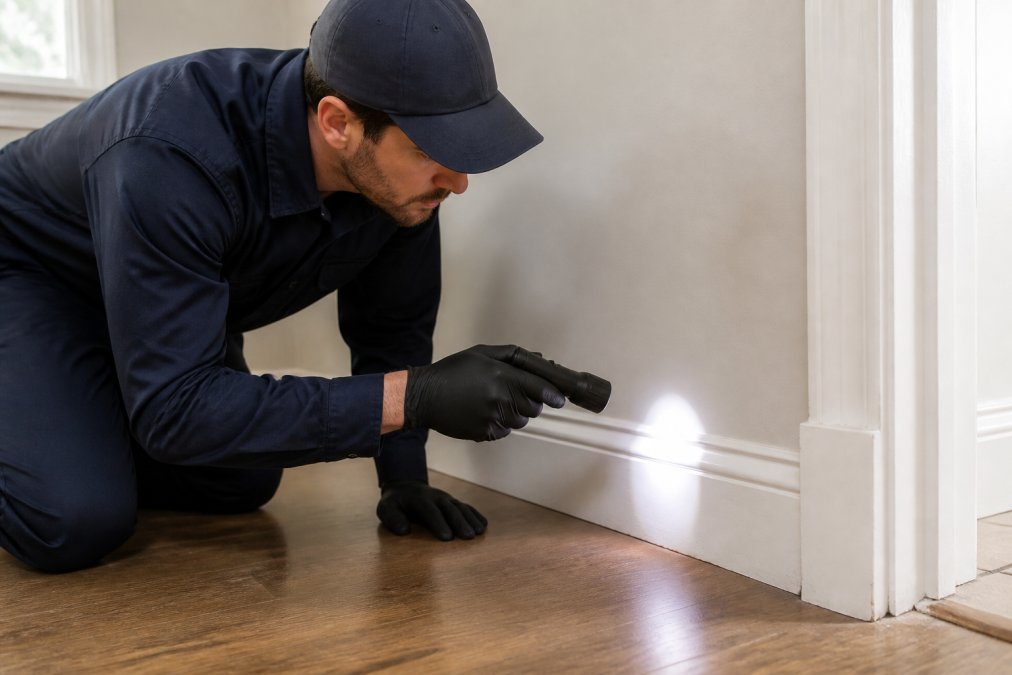
For Boston rental properties, IPM-based recurring maintenance means your property gets inspected quarterly by a trained technician who identifies and documents pest activity, entry points, and conditions needing attention. Treatment is applied strategically based on inspection findings, not on a one-size-fits-all schedule. This approach reduces costs over time because you’re preventing infestations rather than treating severe ones.
The Massachusetts Department of Public Health recognizes IPM as best practice for pest management in residential settings. It aligns with state sanitary code requirements and reduces tenant complaints.
Tax Deductions for Rental Property Maintenance and Pest Control
Pest control and preventative maintenance expenses for rental properties are fully deductible as ordinary business expenses under IRS rules. This is one of the most underutilized deductions for small landlords.
Recurring pest maintenance qualifies as a deductible repair expense. The IRS distinguishes between repairs (deductible) and improvements (capitalized and depreciated). Repairs maintain the property in its current condition. Pest control falls clearly into the repair category, you’re maintaining habitability and preventing damage, not adding value.
The deduction applies to the full cost of service: technician labor, materials, and monitoring equipment. If you contract with a provider for recurring quarterly service, each quarterly invoice is deductible in the year incurred.
Keep detailed records of all pest control invoices and service reports. These documents support your deduction if questioned and document that you’re meeting your legal obligation to maintain habitability.
For property managers managing multiple units, aggregate pest control costs by property. If you own a four-unit building and spend $400 per quarter on pest control, that’s $1,600 annually, a meaningful deduction that reduces taxable rental income.
The Financial Case: ROI and Long-Term Cost Savings
The financial argument for recurring pest maintenance is straightforward: prevention costs far less than treating an established infestation or managing tenant turnover consequences.
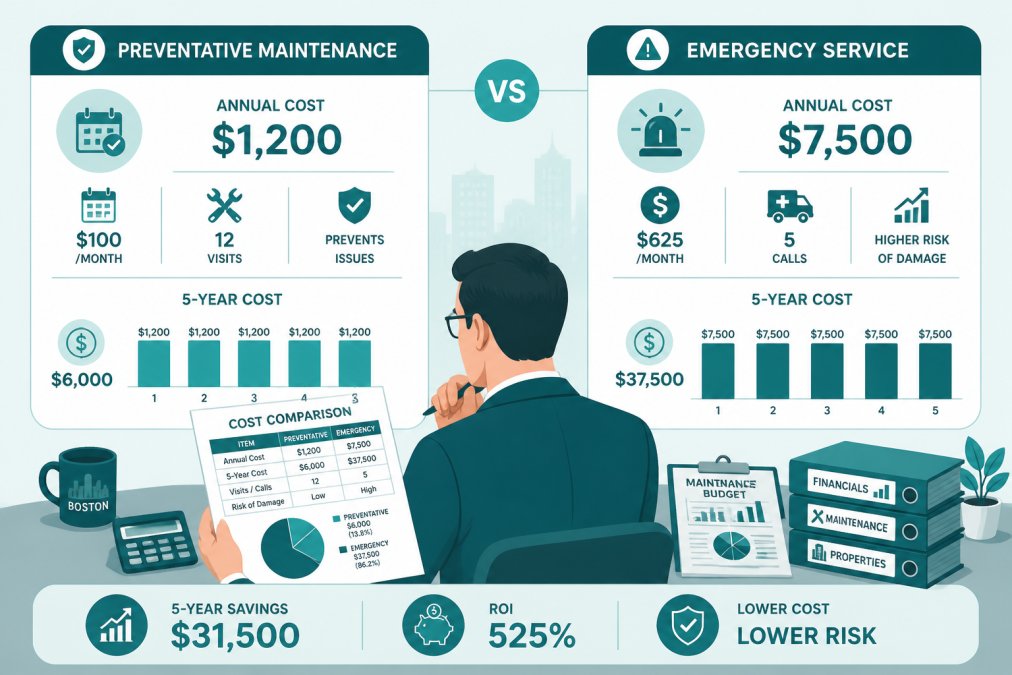
A typical quarterly pest maintenance program costs significantly less than a single emergency service call for severe infestation. Emergency treatments often require multiple visits, more intensive chemical use, and sometimes temporary unit vacancies. Tenants may withhold rent or break their lease. The total cost easily exceeds annual preventative service costs.
Consider tenant turnover. A pest infestation discovered by a tenant often leads to lease termination. Losing a tenant means weeks of vacancy while you treat the unit, make repairs, clean, and advertise. During that time, you collect zero rent while paying for treatment. Tenant acquisition costs add another $500 to $1,500 per vacancy. For a $1,500-per-month unit, a single tenant loss costs $2,000 to $4,000 in direct expenses plus lost rent.
Recurring quarterly maintenance prevents the conditions that trigger tenant loss. A tenant who never sees a pest problem never has reason to leave due to pest issues.
Property damage is another hidden cost. Rodents chew through electrical wiring, insulation, and structural wood. Roaches produce allergens triggering complaints and liability. Bed bugs require extensive treatment and spread to adjacent units. Repairing rodent damage to a single unit can exceed $2,000 to $5,000. Recurring maintenance prevents this damage.
For multi-unit buildings, the financial case is stronger. An infestation spreading from one unit to three or four multiplies treatment cost, vacancy risk, and tenant turnover impact. Preventative maintenance in all units prevents this cascade.
The ROI calculation is simple: annual preventative maintenance cost versus emergency treatment costs, tenant turnover costs, and property damage costs. For most Boston rental properties, ROI is positive in the first year.
Protecting Tenant Satisfaction and Property Marketability
Tenant satisfaction is directly tied to pest control. Surveys show pest problems are among the top reasons renters break leases or leave negative reviews. In Boston’s competitive rental market, reputation matters. A property with a pest problem reputation struggles to attract quality tenants and command premium rent.
Recurring pest maintenance sends a clear message: this landlord takes habitability seriously and invests in prevention. Tenants who see regular pest control visits are more likely to report problems early because they trust the landlord will act. Early reporting prevents small problems from becoming big ones.
When marketing a rental unit, pest control history is a selling point. Being able to say "We maintain quarterly professional pest control" differentiates your property and justifies higher rent.
Online reviews matter. A single negative review mentioning pest problems deters dozens of prospective tenants. Recurring pest maintenance reduces pest-related complaints and negative reviews.
For property investors, this translates to measurable financial value. Properties with good reputations and strong tenant retention command higher resale prices. Buyers pay premiums for properties with documented maintenance programs and low turnover.
Inform tenants in advance about scheduled pest maintenance. Provide clear information about what the service includes, how long it takes, and what to expect. This transparency builds trust and prevents tenants from viewing pest control as an intrusion.
Pest infestations in rental properties aren’t just nuisances, they’re legal liabilities, financial drains, and tenant satisfaction killers. Recurring pest maintenance transforms pest management from crisis response into a controlled, predictable part of property management. For Boston landlords, the combination of Massachusetts habitability law, emergency treatment costs, and tenant retention value makes recurring maintenance a non-negotiable investment.
Zoifia Pest Control provides recurring maintenance programs with licensed, insured technicians who understand Boston’s unique pest challenges and older building vulnerabilities. With a 90-day guarantee and no long-term contracts required, you can start protecting your property immediately. Get a quote today and see how professional recurring maintenance protects your investment, keeps tenants satisfied, and ensures compliance with state law.
Frequently Asked Questions
Are landlords in Massachusetts legally required to provide pest control?
Massachusetts housing code requires landlords to maintain rental units in habitable condition, which includes freedom from pest infestation. While the statute doesn't explicitly mandate recurring pest control service, landlords must address infestations promptly. Recurring pest maintenance helps landlords stay ahead of code violations and tenant complaints. The specific obligation depends on the lease agreement and local housing ordinances, so review your property's requirements with a local property management expert.
How often should rental properties in Boston be treated for pests?
Frequency depends on pest pressure, building age, and history. Older Boston buildings typically benefit from quarterly (every 3 months) or bi-monthly (every 2 months) treatments to prevent rodents, roaches, and other common pests. Newer construction may need only annual or semi-annual service. Properties with previous infestations should start with more frequent visits, then adjust based on monitoring results. An Integrated Pest Management approach tailors the schedule to your specific property risk.
Can you write off pest control for rental property as a tax deduction?
Yes. Pest control and preventative maintenance are deductible business expenses for rental property owners. These costs reduce your taxable rental income. To qualify, the expense must be ordinary and necessary for maintaining the property in rentable condition. Keep receipts and service records. Consult a tax professional or accountant to ensure proper documentation, as deduction rules vary based on your situation and whether costs are repairs (immediately deductible) versus improvements (depreciated over time).
What does the 90-day guarantee actually cover?
A 90-day guarantee typically means if pests return within 90 days of treatment, the pest control company will return and retreat at no additional charge. This protects you against incomplete initial treatment. The guarantee usually applies to the specific pest treated and assumes the property maintains sanitary conditions and excludes new infestations from outside sources. Always confirm the exact terms with your provider before service begins, and ask whether follow-up visits are included or if there's a separate fee structure.
This article was written using GrandRanker
