Table of Contents
- Physical Evidence: What a Roach Infestation Looks Like
- Behavioral Red Flags: Nocturnal Activity and Daylight Sightings
- Odors and Hidden Pests: The Musty Smell of Infestation
- Where to Inspect: Kitchen, Appliances, Baseboards, and Cabinets
- How to Document Roach Infestation for Your Landlord
- Landlord Responsibility for Roaches and Your Tenant Rights
- Pre-Move-In Legal Checklist and Walkthrough Documentation
- Non-Toxic Detection Methods and Pest Prevention
- Frequently Asked Questions
Last Updated: September 28, 2026
Physical Evidence: What a Roach Infestation Looks Like
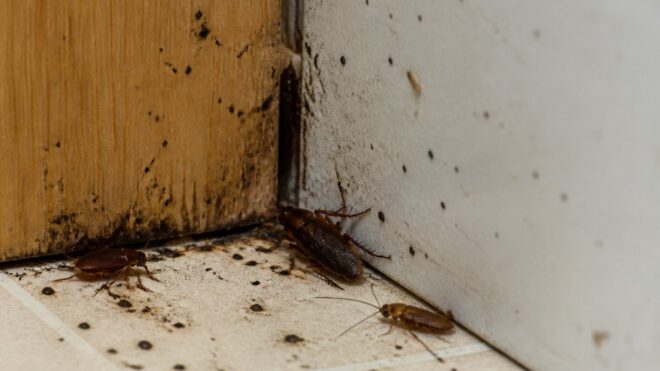
The clearest way to confirm a roach infestation in your rental property is to look for physical evidence. These signs of a roach infestation in rental property, visible droppings, egg cases, and smear marks, give you documentation for your landlord and a timeline for action.
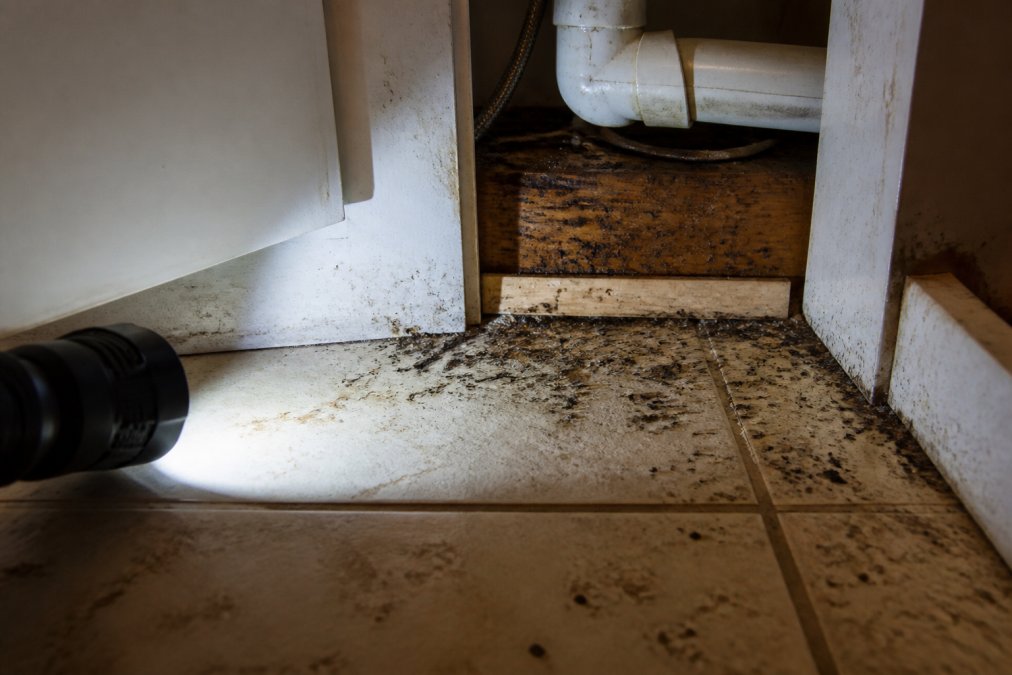
Fecal Droppings and Smear Marks
Roach droppings are one of the most reliable indicators of an active infestation. German cockroaches leave behind small, dark fecal pellets (1-3 millimeters) that resemble ground pepper, clustering in areas where roaches congregate or travel.
Look for droppings along baseboards, inside cabinet corners, behind appliances, and under sinks in concentrated patterns. Fresh droppings (darker, moist) versus old ones (dry, dusty) indicate whether the infestation is currently active.
Smear marks, dark, irregular streaks on walls, pipes, and cabinet interiors, indicate roaches are traveling in daylight or very crowded conditions, signaling a severe infestation.
Egg Cases and Ootheca
Roach egg cases (oothecae) are dark brown, oblong capsules about the size of a grain of rice, each containing 30-40 eggs (Cockroaches and Schools | Managing Pests in Schools). Finding even one means the infestation will continue growing unless treated.
Look for oothecae in the same places you find droppings: behind appliances, inside cabinet corners, along baseboards, and in wall voids. Some roaches deposit their egg cases in protected areas weeks before they hatch, so you may find them even after treatment begins. Documenting these with photos gives your landlord clear proof of the infestation’s severity.
Behavioral Red Flags: Nocturnal Activity and Daylight Sightings
Roaches are primarily nocturnal, which means you’re more likely to spot them at night or in darkness. However, the timing and frequency of sightings tell you how advanced the infestation has become.
Multiple sightings, roaches moving in daylight, or roaches appearing in living spaces rather than just kitchens and bathrooms indicate a large, established population.
Daylight sightings are particularly concerning, roaches only venture out when the population is so dense that nighttime hiding spots are overcrowded, indicating an infestation present for weeks or months.
Document the time, location, and number of roaches you see, this information helps pest control professionals understand the infestation’s scope.
Odors and Hidden Pests: The Musty Smell of Infestation
A persistent musty or oily odor in your kitchen or bathroom indicates a roach infestation. The smell comes from pheromones roaches release to communicate and mark territory, becoming more noticeable as the infestation grows.
If you notice this odor appearing suddenly or growing stronger, roaches are likely present even if you haven’t seen them yet.
For every roach you see, there are typically dozens hiding in wall voids, behind baseboards, and inside appliances. The odor is often your first clue that hidden roaches exist.
Check behind the refrigerator, inside the oven’s underside, inside cabinet spaces, and along the tops of upper cabinets. Roaches hide in spaces as thin as a credit card.
Where to Inspect: Kitchen, Appliances, Baseboards, and Cabinets
Systematic inspection is essential for documenting a roach infestation. Start with the kitchen, the most common entry point and breeding ground.
Kitchen inspection steps:
- Pull out the refrigerator and inspect the coils, underside, and the space behind it
- Check inside the oven, microwave, and dishwasher, roaches hide in appliance motors and heating elements
- Open all cabinet doors and examine corners, shelves, and the undersides of shelves
- Inspect the space under the sink, including pipes, traps, and the cabinet bottom
- Check around the stove, particularly around burners and the underside of the stovetop
- Examine the space between the cabinet and wall, and between the counter and backsplash
Baseboards and walls:
Roaches travel along baseboards to move between rooms. Look for droppings, smear marks, or egg cases along the entire length of baseboards in the kitchen, bathroom, and bedroom. Pay special attention to corners where baseboards meet.
Inspect the space where baseboards meet the wall, gaps larger than 1/8 inch allow roaches to squeeze through and access from neighboring units in multi-unit buildings.
Bathroom inspection:
Don’t skip the bathroom. Roaches need moisture and often congregate around bathroom pipes, under sinks, and behind toilets. Check behind the toilet base, under the sink cabinet, and around water pipes. Bathrooms in older buildings are particularly vulnerable because pipes often have larger gaps around them.
How to Document Roach Infestation for Your Landlord
Documentation is your legal protection. When you document signs of a roach infestation in rental property thoroughly, you create an undeniable record that forces your landlord to act.
Photography and video:
Take clear, well-lit photos of droppings, egg cases, smear marks, and affected areas. Video footage of roaches moving at night proves active infestation beyond question.
Include reference objects in photos (a coin, ruler, or your hand) to show scale.
Landlord Responsibility for Roaches and Your Tenant Rights
Your landlord has a legal obligation to maintain habitable rental property. In most jurisdictions, this includes pest control. Understanding your rights protects you and gives you use if your landlord refuses to act.
Habitability Standards and Breach of Lease
Habitability standards require that rental property be safe, sanitary, and free from pest infestations. A roach infestation violates these standards. Your landlord is legally responsible for providing pest control and eliminating the infestation.
Multi-Unit Building Dynamics and Structural Gaps
In multi-unit buildings, roach problems often originate from neighboring units or common areas. Roaches travel through walls, shared pipes, and gaps in the building structure. Your infestation may not be your fault at all, it may be a building-wide problem.
Legal Steps and Security Deposit Protection
If your landlord refuses to address the roach infestation, you have legal options. These vary by state, so research your specific jurisdiction’s tenant rights laws.
Common legal remedies:
- Rent withholding: In many states, you can withhold rent or pay it into an escrow account until the problem is resolved
- Lease termination: You may be able to break your lease without penalty due to the landlord’s breach of habitability
- Damages: You can sue for damages related to the infestation (medical costs, replacement of infested items, moving costs)
- Security deposit claims: If you move out due to the infestation, your landlord cannot deduct pest-related damage from your security deposit
Pre-Move-In Legal Checklist and Walkthrough Documentation
Preventing a roach problem is far easier than dealing with one after you’ve moved in. A thorough pre-move-in inspection protects you legally and gives you documentation if problems appear later.
Pre-move-in checklist:
- Schedule a walkthrough with your landlord or property manager
- Bring a flashlight and inspect all areas mentioned in the inspection section above
- Take photos and video of the entire unit, focusing on kitchen, bathroom, and baseboards
- Document the condition in writing: date, time, specific observations
- Ask your landlord directly: “Has this unit had any pest problems in the past?”
- Request written confirmation that the unit is pest-free
- Ask about the building’s pest control history and whether treatments are ongoing
Include in your walkthrough report:
- Date and time of inspection
- Photos and video of all rooms, appliances, and baseboards
- Written description of the unit’s condition
- Landlord’s signature acknowledging they reviewed the report with you
Non-Toxic Detection Methods and Pest Prevention
While you’re documenting the infestation, you can use non-toxic methods to monitor roach activity and prevent it from worsening. These methods don’t require chemicals and won’t interfere with professional pest control treatment.
Sanitation:
Roaches need food, water, and shelter. Remove two of these three and you dramatically reduce their survival rate:
- Store food in airtight containers
- Clean up crumbs and spills immediately
- Don’t leave dirty dishes out overnight
- Dry sinks and counters before bed
- Take out garbage daily
- Fix any water leaks or standing water
Frequently Asked Questions
What are the first signs of a cockroach infestation?
The earliest signs include small dark droppings (resembling pepper or coffee grounds) in kitchen cabinets, under sinks, and along baseboards. You may also notice a musty odor, egg cases (ootheca) that look like small brown capsules, and occasional daylight sightings near water sources. Nocturnal activity is common, roaches hide during the day and emerge at night. If you spot one roach during the day, infestation is likely significant since roaches avoid light.
How do I document a roach infestation for my landlord?
Take dated photographs and videos of droppings, egg cases, odors, and any live roaches you spot. Document the location and date of each sighting. Write a detailed email or letter to your landlord describing what you found, when you found it, and any health hazards you’re concerned about. Keep copies of all communication. Note any structural gaps, baseboards in poor condition, or appliance gaps where pests enter. This documentation is critical if you need to pursue legal action or break your lease due to habitability violations.
What is my tenant right if my landlord won’t address a roach infestation?
Most jurisdictions recognize pest control as a landlord responsibility under habitability standards. If your landlord fails to provide pest remediation after written notice, you may have the right to withhold rent, break your lease without penalty, or pursue legal action for breach of contract. Document all communication and the infestation evidence. Multi-unit buildings complicate this, your landlord must address structural gaps and coordinate with neighboring units. Consult your state’s tenant rights laws or a local tenant advocacy organization for specific legal options in your area.
Is a roach infestation considered uninhabitable?
Yes. Cockroach infestations create health hazards by spreading germs and pathogens, triggering allergies, and contaminating food and surfaces. Most states recognize pest infestations, especially roaches, as violations of habitability standards. This means your landlord is legally obligated to provide pest control and sanitation remediation. If the infestation is severe and your landlord refuses to act, you may be able to break your lease, withhold rent (in some states), or recover damages. Document the infestation thoroughly and notify your landlord in writing to establish a paper trail.
Finding signs of a roach infestation in rental property is stressful, but documentation and knowledge of your tenant rights put you in control. Photograph everything, notify your landlord in writing, and understand that habitability standards are legally enforceable. If your landlord refuses to act, you have legal remedies. Get professional pest control involved early, the faster the infestation is treated, the faster you can move forward.
