
Table of Contents
- Why Pest Control Without Long-Term Contracts Is a Smart Choice
- Average Cost of One-Time Pest Control Service
- What Is Included in a One-Time Pest Control Service
- Hidden Fees, Surcharges, and Pest Control Contract Cancellation Traps
- DIY vs. Professional Pest Control: A Real Cost-Benefit Analysis
- Factors That Affect Pricing for No-Contract Pest Control
- How to Choose a Pest Control Company Without Getting Locked In
- Pest Control Without Long-Term Contracts: How to Save Money
Last Updated: June 12, 2026
Pest control without long term contracts is a legitimate, widely available option that most homeowners never think to ask for. At Zoifia Pest Control, we hear the same concern constantly: "Do I really need to sign a year-long agreement just to get rid of ants?" The answer is no. Below, we break down exactly what no-contract pest control costs, what you actually get, and how to avoid the traps that lock you into services you don’t need.
Most guides treat recurring contracts as the default and one-time treatments as the exception. The reality is the opposite for many pest situations. A targeted, single-visit treatment handles most common infestations effectively, and a 90-day guarantee from a reputable provider gives you the same peace of mind without the monthly billing.
Why Pest Control Without Long-Term Contracts Is a Smart Choice
The biggest mistake homeowners make is assuming a service agreement equals better protection. It doesn’t. What it equals is predictable revenue for the pest control company.
One-time pest control service is a clear transaction: you have a problem, a licensed technician treats it, and you verify the result. No automatic renewals, no cancellation fees, no quarterly visits you may not need. For most infestations, ants, cockroaches, common rodent entry points, a single professional treatment combined with basic preventative measures resolves the issue entirely. No-contract pest control also lets you comparison-shop and switch providers if the first treatment underperforms.
The honest caveat: certain situations genuinely benefit from recurring service. Termite colonies, persistent bed bug infestations, and properties with ongoing structural vulnerabilities may require scheduled follow-ups. A trustworthy provider tells you which category your situation falls into before you sign anything.
No-contract pest control is the right choice for most single-pest infestations. Reserve recurring service agreements for structural or chronic pest problems where ongoing monitoring genuinely adds value.
Average Cost of One-Time Pest Control Service
For a standard residential treatment covering common household pests like ants, cockroaches, or spiders, a single visit typically runs between $150 and $400. Larger properties, severe infestations, or specialized treatment methods sit at the higher end. Emergency or same-day calls often carry a surcharge on top of the base fee.

The per-visit cost of a one-time treatment is genuinely competitive with a quarterly maintenance plan once you account for the initial clean-out fee many contracts charge, a cost that is rarely advertised clearly.
According to the National Pest Management Association’s consumer resources, pest identification and infestation severity are the two primary drivers of treatment cost, ahead of even geographic location.
Cost Breakdown by Pest Type
| Pest Type | Typical One-Time Treatment Cost | Notes |
|---|---|---|
| Ants | $100 – $250 | Spot treatment; may need follow-up for carpenter ants |
| Cockroaches | $100 – $300 | Gel bait + residual spray standard |
| Rodents | $150 – $400 | Includes trap placement; exclusion work is extra |
| Bed Bugs | $300 – $900+ | Heat or chemical treatment; severity-dependent |
| Termites | $500 – $2,500+ | Structural fumigation or localized treatment |
| Wasps/Hornets | $100 – $200 | Single nest removal |
| Fleas | $150 – $300 | Indoor spray plus yard treatment if needed |
Bed bug extermination and termite treatment sit at the top of the range because both require specialized equipment and often multiple visits. For everything else, a single well-executed treatment is usually sufficient.
Inspection Fees vs. Treatment Fees: What You Actually Pay
Many pest control companies offer a free inspection, particularly for termite assessment. Others charge a separate inspection fee, typically $50 to $150, that may or may not be credited toward treatment. Always ask upfront whether the inspection fee is deducted from the service quote.
Treatment fees cover chemical application, trap placement, exclusion materials, and technician labor. Ask for a written breakdown separating inspection, treatment, and materials costs. A provider who hesitates to itemize is worth questioning.
Never accept a verbal quote without a written breakdown. Some companies advertise a low inspection fee, then add materials surcharges and “initial clean out fees” that double the final invoice. Get everything in writing before the technician starts work.
What Is Included in a One-Time Pest Control Service
A standard one-time treatment from a licensed provider covers more than most homeowners expect. The technician performs pest identification, assesses infestation severity, applies targeted treatment to active areas, and treats common entry points preventatively.
A single visit typically includes:
- Interior spot treatment of active infestation zones
- Perimeter treatment around the foundation and entry points
- Crack and crevice application where pests harbor
- Placement of bait stations or traps where appropriate
- A written report of findings and recommendations
What is generally not included: structural repairs, exclusion work, or follow-up visits. A reputable provider tells you clearly what the one-time service covers and what it does not.
One-Time Treatment vs. Recurring Quarterly Maintenance
The choice comes down to one question: is your pest problem a one-time event or an ongoing vulnerability?
For most homeowners, a one-time treatment with a 90-day guarantee covers the situation, if the pest returns within the guarantee window, the provider retreats at no additional cost, functionally equivalent to a short-term service agreement without the contractual obligation. Quarterly maintenance makes sense for properties with persistent entry vulnerabilities, high-pest-pressure environments, or commercial properties where any pest activity creates liability. For everyone else, paying for quarterly visits you may not need is a budget drain, not a protection upgrade.
According to EPA guidance on integrated pest management, the most effective residential pest management plan combines targeted treatment with structural preventative measures, not necessarily recurring chemical applications.
Hidden Fees, Surcharges, and Pest Control Contract Cancellation Traps
The pest control industry has a well-documented pattern of burying costs in service agreements. Common hidden fees include:
- Initial clean out fee: A one-time charge at the start of a service agreement, often 2-3 times the regular visit cost
- Emergency service surcharges: Same-day or weekend visits billed at premium rates not listed in the base agreement
- Materials and product fees: Some contracts bill labor separately from chemicals, adding $30-$80 per visit
- Automatic renewal clauses: Annual contracts that renew automatically unless cancelled within a specific window, often 30-60 days before renewal
Contractual Obligations to Watch For
Pest control contract cancellation is where many homeowners discover the real cost of a service agreement. Many contracts charge the equivalent of two to three months of service fees for early termination.
Before signing any service contract, read these specific clauses:
- Cancellation window: How many days’ notice is required, and is there a fee?
- Auto-renewal terms: Does the contract renew automatically, and what is the opt-out deadline?
- Guarantee scope: What does the guarantee actually cover, and what voids it?
- Price escalation: Can the provider increase rates mid-contract?
Pest control without long term contracts eliminates all of these concerns. A no-contract provider cannot charge you a cancellation fee because there is nothing to cancel.
DIY vs. Professional Pest Control: A Real Cost-Benefit Analysis
DIY pest control works for some situations and fails badly in others. The determining factor is infestation severity and pest type, not cost.
For low-level ant trails or occasional cockroach sightings, consumer-grade products can be effective. The limitation is that they are formulated at lower concentrations than pro-grade chemicals, meaning they often suppress rather than eliminate an infestation. Where DIY fails: bed bug extermination, termite treatment, and rodent control with structural entry points. The cost-benefit math is straightforward, a DIY treatment that costs $40-$80 and fails, followed by a professional treatment at $200-$400, costs more than the professional treatment alone, and the delay allows the infestation to worsen.
As noted in University of California’s integrated pest management program resources, pest identification accuracy is the single most important factor in treatment success. Misidentifying the pest leads to the wrong treatment method regardless of who applies it.
Before spending money on DIY products, photograph the pest and send it to a local pest control specialist for free identification. Most reputable companies do this at no charge. Correct identification takes 60 seconds and prevents wasted treatment costs.
Factors That Affect Pricing for No-Contract Pest Control
Infestation severity is the biggest cost driver. Describe the infestation accurately when requesting quotes, understating it leads to incomplete treatment; overstating it leads to unnecessary costs.
Treatment method affects both price and effectiveness. Spot treatment is the least expensive and works well for localized infestations. Structural fumigation, required for severe termite or bed bug infestations, is the most expensive and disruptive. Most residential situations fall between these extremes.
Square footage matters primarily for perimeter and whole-structure applications. A 1,200 sq ft apartment costs less to treat than a 3,500 sq ft house with a finished basement. Some providers also offer a lower per-visit rate if you schedule multiple visits upfront without a formal contract, worth asking about.
Geographic Location and Regional Market Price Differences
Pest control pricing in the Metro Boston area reflects both the regional cost of living and specific New England pest pressures. Rodent control is particularly active in urban and suburban Boston, where older housing stock creates more entry points than newer construction. Bed bug extermination costs in dense urban areas also run higher than national averages due to the complexity of multi-unit building treatments.
A practical rule of thumb: take the national average for your pest type, add 15-25% for Metro Boston’s labor market, then adjust upward for older homes with fieldstone foundations or balloon-frame construction, which typically require more exclusion work.
For regional pricing benchmarks, the Consumer Reports pest control buying guide provides useful national ranges that can be adjusted for local market conditions.
How to Choose a Pest Control Company Without Getting Locked In
The right provider is licensed, insured, transparent about pricing, and willing to put their guarantee in writing. These four criteria eliminate most of the risk.
Start with licensing verification. In Massachusetts, the Department of Agricultural Resources licenses pest control companies, and you can verify any provider’s status online before booking.
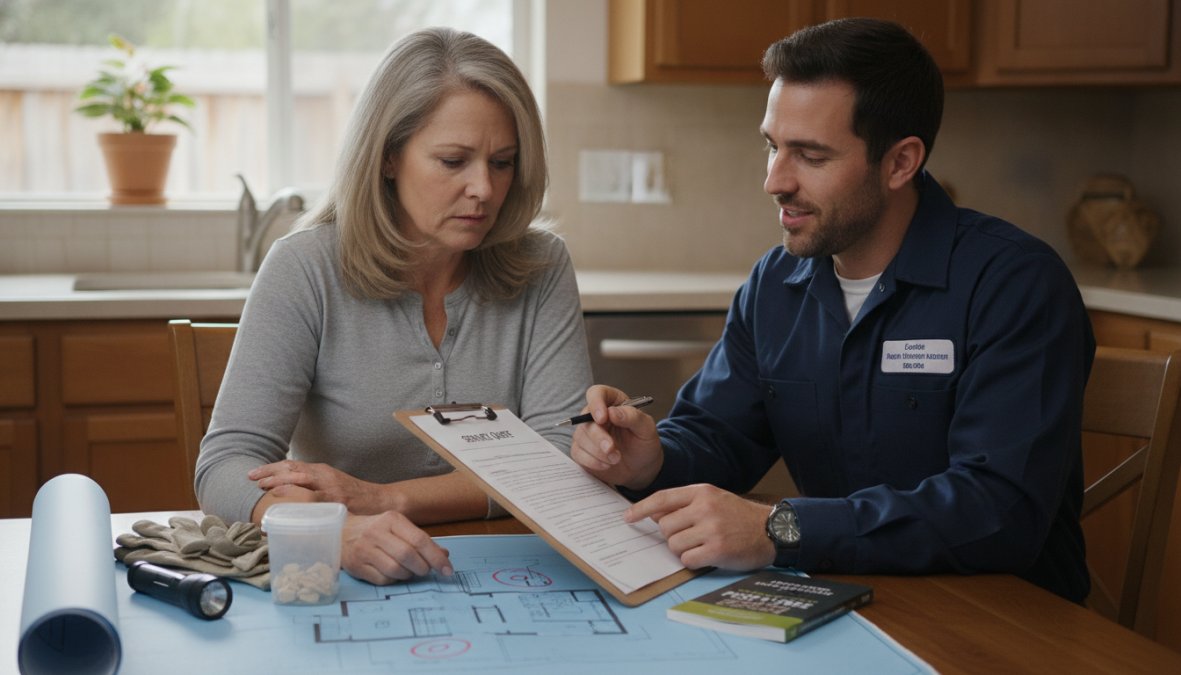
Zoifia Pest Control operates as a licensed and insured provider in the Metro Boston area, offering one-time treatments backed by a 90-day guarantee. If the problem returns within 90 days, the treatment is repeated at no additional cost.
Questions to Ask Before Booking a No-Contract Service
Before confirming any appointment, ask:
- Is your company licensed and insured in Massachusetts?
- What does the one-time treatment include, specifically?
- Is there an inspection fee, and is it credited toward treatment?
- What is your guarantee, and what voids it?
- Are there any additional fees not included in the quote?
- Do you use pro-grade chemicals, and can you provide the product names?
- How long does the treatment take, and are there any re-entry restrictions?
- Is there a service contract required, or is this a true one-time service?
A provider who answers these questions directly and in writing is worth booking. One who deflects or pressures you toward a contract before answering is a signal to keep looking.
Pest Control Without Long-Term Contracts: How to Save Money
Get multiple quotes. For any treatment above $200, contact at least two local pest control specialists. Price variation for the same service can be significant, and competing quotes give you negotiating leverage.
Schedule during off-peak periods. Spring and early summer are peak demand seasons. Scheduling in late fall or winter often results in faster response times and sometimes lower pricing.
Ask about bundled treatments. If you have multiple pest issues, treating them in a single visit costs less than two separate service calls.
Prioritize prevention after treatment. Sealing gaps around pipes, weatherstripping doors, eliminating moisture sources, and storing food in sealed containers reduce re-infestation and extend the value of a single treatment.
Understand what your guarantee covers. A 90-day guarantee on a one-time treatment is effectively free insurance against treatment failure, making the upfront cost of a quality provider a better value than a cheaper provider with no guarantee.
Pest control without long term contracts is not a compromise. For most homeowners dealing with a specific infestation, it is the smarter financial and practical choice.
Pest infestations do not wait for a convenient time, and most homeowners should not have to sign a multi-month contract to get effective treatment. Zoifia Pest Control offers licensed, insured, one-time residential and commercial pest control in the Metro Boston area, backed by a 90-day guarantee and no contract required. Whether you are dealing with ants, rodents, bed bugs, or roaches, the team provides fast, targeted treatment with transparent pricing. Get a quote from Zoifia Pest Control and resolve your pest problem without the long-term commitment.
Frequently Asked Questions
Is it possible to get pest control without a contract?
Yes, pest control without long-term contracts is widely available. Many local pest control specialists, including companies like Zoifia Pest Control, offer one-time treatment visits and flexible service options backed by a satisfaction guarantee. You pay per visit rather than committing to a recurring service agreement. This approach works well for isolated infestations or homeowners who prefer flexibility over a bundled maintenance plan.
Are one-time pest control treatments effective?
A one-time pest control service can be highly effective, especially when the infestation is caught early and the pest type responds well to spot treatment or targeted extermination. For common pests like ants, roaches, or rodents, a single professional visit using pro-grade chemicals often resolves the issue. More severe infestations, such as structural fumigation for termites or bed bug extermination, may require follow-up visits to fully eliminate the pest infestation.
How do I cancel a pest control contract if I'm already locked in?
Pest control contract cancellation terms vary by company. Most service agreements include an early termination clause with a fee, typically equal to one or two months of service. Review your contract for the cancellation window, required written notice, and any penalties. Some companies waive fees if you cancel within the first 30 days. To avoid this situation entirely, choose no-contract pest control upfront and confirm in writing that no service agreement is required before booking.
Do no-contract pest control services cost more per visit than contract-based plans?
A single one-time pest control service visit may carry a higher per-visit price than the discounted rate offered under a quarterly maintenance contract. However, when you factor in the total annual spend, including the initial clean out fee, monthly or quarterly charges, and potential cancellation penalties, no-contract pest control often delivers better value for homeowners with occasional or seasonal pest problems. Always request a service quote from multiple local pest control specialists before deciding.
What should I look for when choosing a pest control company with no long-term commitment?
When evaluating how to choose a pest control company without a contract, prioritize licensing and insurance, transparent flat-rate pricing, a written guarantee (such as a 90-day warranty), and clear communication about what the treatment covers. Ask whether the company charges a separate inspection fee, what pest identification methods they use, and whether follow-up visits are included. Avoid companies that pressure you into a service contract before completing a free inspection.
This article was written using GrandRanker
