Table of Contents
- What Attracts Spiders Indoors (and How to Cut Off Their Supply)
- How to Keep Spiders Out of Your House: Step-by-Step
- Natural Spider Repellents for the Home That Actually Work
- How to Get Rid of Spider Webs Indoors
- Season-by-Season Spider Prevention Calendar
- When to Call a Pest Control Professional
- Frequently Asked Questions
Last Updated: October 14, 2026
What Attracts Spiders Indoors (and How to Cut Off Their Supply)
Spiders come inside for two reasons: food and shelter. Learning how to prevent spiders from nesting indoors means cutting off both. This guide covers steps from sealing entry points to safe, plant-based repellents.
Most homeowners reach for a spray can. That treats the symptom, not the cause. Spiders follow their prey. If other bugs live in your walls, spiders will keep showing up no matter how much you spray.
Other Pests Are the Real Invitation
Spiders eat ants, flies, gnats, and roaches. A steady food supply turns a quiet corner into a permanent hunting ground. The CDC guidance on pest control at home notes that removing a pest’s food and water sources is a core part of keeping homes pest-free.
So the first move is not spider control. It is general pest control.
- Wipe crumbs from counters and floors
- Store food in sealed containers
- Fix leaky faucets and pipes
Cut the food supply and spiders lose their reason to stay.
Moisture, Clutter, and Entry Points
Spiders love damp, dark, untouched spaces. Basements, crawl spaces, closets, and garage corners top the list. Cardboard boxes, paper stacks, and old clothes give them instant shelter.
Common entry points include:
- Gaps under doors and along baseboards
- Cracks in foundations and window frames
- Openings around utility pipes and vents
Seal these, dry out the damp spots, and you remove the welcome mat.
How to Keep Spiders Out of Your House: Step-by-Step
You can keep spiders out of your house in a single weekend. The work is simple and cheap, mostly sealing and tidying, not spraying.
Step 1: Seal Cracks and Gaps
Walk your home’s perimeter and note every opening. Then work inside, room by room.
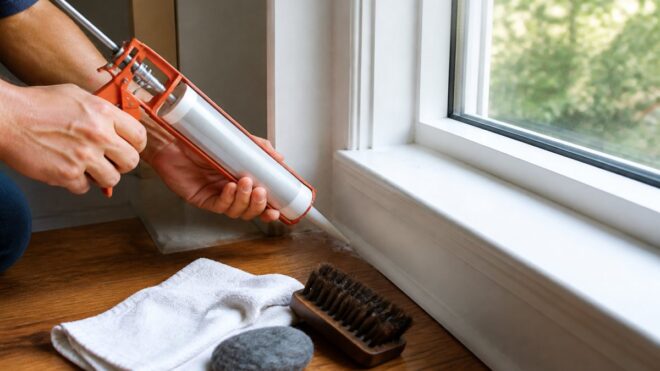
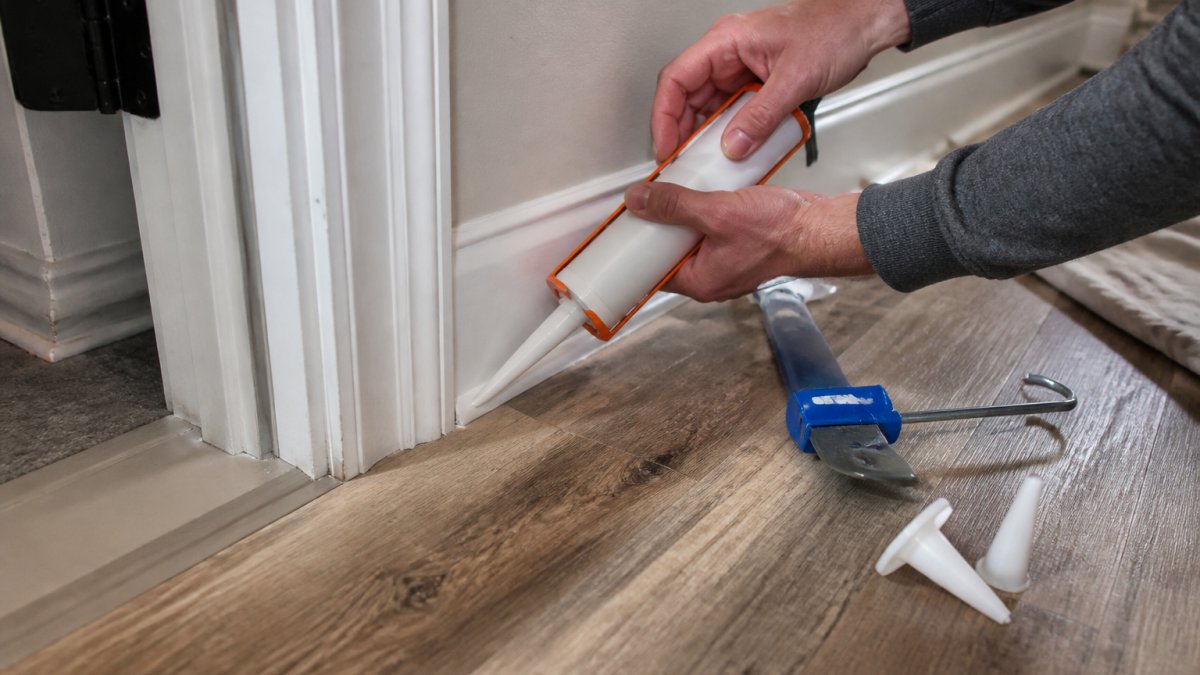
- Caulk cracks along baseboards, window frames, and door trim.
- Add door sweeps to exterior doors.
- Patch torn screens with repair tape or replace the mesh.
- Seal gaps around pipes, cables, and vents with steel wool or sealant.
- Check the foundation for cracks and fill them.
A common mistake is sealing only the obvious spots. Spiders squeeze through gaps no wider than a pencil. Check the corners most people skip.
Step 2: Reduce Moisture and Clutter
Dry air and open space make a home far less inviting.
- Run a dehumidifier in basements and crawl spaces
- Fix leaks the same week you find them
- Store items in plastic bins, not cardboard
Cardboard holds moisture and offers shelter; swapping it for sealed plastic solves both problems at once.
Natural Spider Repellents for the Home That Actually Work
Natural spider repellents for the home work best as a barrier, not a cure. They discourage spiders from settling in treated spots but will not wipe out a full infestation, and no plant oil has been shown to eliminate an established population.
What separates a repellent that holds for a week from one that fades by dinner is concentration, surface, and reapplication. Below are the mixes most practitioners find reliable.
Peppermint Oil Spray
- Mix: 10 to 15 drops of peppermint essential oil per 1 cup of water, plus a splash of unscented castile soap or a teaspoon of rubbing alcohol to help the oil disperse.
- Apply: Along baseboards, door thresholds, window tracks, and the corners where walls meet ceilings.
- Reapply: Every 3 to 5 days. The menthol scent is what spiders avoid, and it evaporates quickly.
Citrus Oil Wipe
- Mix: 10 drops of orange, lemon, or grapefruit essential oil per 1 cup of water, or use the peel-infused vinegar below.
- Apply: Wipe windowsills, door frames, and cabinet edges with a damp cloth rather than spraying, which limits overspray onto fabrics.
- Reapply: Weekly. Citrus volatiles break down faster than peppermint under sunlight.
White Vinegar Spray
- Mix: 1 part white vinegar to 1 part water in a spray bottle. Undiluted vinegar is fine on tile and grout but can etch natural stone and dull sealed wood.
- Apply: Spray corners, baseboards, and the undersides of sinks and appliances.
- Reapply: Every 2 to 3 days. Vinegar’s scent fades within hours, so this is a maintenance spray, not a long-term barrier.
Diatomaceous Earth
- What it is: Food-grade diatomaceous earth is a fine powder of fossilized algae. It abrades the waxy outer layer of insects and spiders that crawl through it, causing them to dry out. It is a physical repellent, not a scent one.
- Apply: Dust a thin, barely visible layer along cracks, behind appliances, and under baseboards. A thick pile is less effective because spiders walk around it.
- Reapply: Every 2 to 4 weeks, or after any mopping or vacuuming in the area.
Garlic and Onion Spray
- Mix: Blend 2 to 3 cloves of garlic (or a small onion) with 1 cup of water, strain out the solids, and add a few drops of liquid soap.
- Apply: Spray along entry points and outdoor foundation lines.
- Reapply: Every 2 to 3 days. The sulfur compounds that repel spiders degrade quickly in air and sunlight.
What the Evidence Actually Supports
Research shows essential-oil repellents have real but short-lived effects in labs, while field results at home are weaker because airflow, sunlight, and cleaning strip the active compounds. Diatomaceous earth and physical exclusion are more consistent because they do not depend on a scent staying present. For the strongest natural result, layer a scent repellent on top of sealing and moisture control rather than relying on any single spray.
Safety Rules That Apply to Every Recipe
- Keep all essential-oil sprays away from cats, birds, and fish tanks. Cats lack the liver enzyme needed to process many plant oils.
- Test any spray on a hidden patch of flooring, fabric, or finish before broad use.
- Never spray repellents directly on food, food-prep surfaces, or pet bedding.
Reapply oil-based sprays every few days. The scent fades fast, and spiders walk right back over a spot that no longer smells like anything. If you can no longer smell the spray, neither can they.
“Natural” does not mean “safe.” Essential oils are concentrated and can cause skin irritation, respiratory reactions, and poisoning in pets if ingested. Follow the dilution ratios above and keep the bottles sealed and labeled.
How to Get Rid of Spider Webs Indoors
Getting rid of spider webs indoors starts with removal, then prevention.
Remove the webs first. Then clean the area with a vinegar or citrus spray. This removes the scent trail that draws spiders back to the same spot.
- Vacuum webs rather than sweeping them loose
- Empty the vacuum canister outside right away
- Recheck the same corners weekly for a month
If webs return within days, you likely still have a food source nearby. Go back to Step 1 and check for other pests.
Season-by-Season Spider Prevention Calendar
Spider activity follows the seasons, and so does the prey that draws spiders inside. A year-round plan beats a one-time cleanup because it targets each species when it is easiest to stop. Here is the schedule most practitioners recommend.
| Season | Main Risk | Pests to Watch | Key Action | Frequency |
|---|---|---|---|---|
| Late Winter | Egg sacs overwinter in sheltered spots | Cellar spiders, cobweb spiders | Vacuum ceiling corners, window frames, and behind furniture; check stored boxes | Once in February |
| Early Spring | Egg sacs hatch; young spiders disperse | Common house spider, wolf spiders | Seal cracks and gaps before young spiders spread; clear outdoor debris and leaf litter near the foundation | Once in March |
| Late Spring | Prey insects emerge and multiply | Ants, gnats, flies | Start perimeter pest control; trim vegetation back from walls; check door sweeps | Monthly |
| Summer | Breeding peaks; food is abundant | Ants, flies, mosquitoes, moths | Manage other insects aggressively; keep outdoor lights off near doors; reapply repellents every 3 to 5 days | Every 2 weeks |
| Early Fall | Spiders move indoors for warmth | Common house spider, brown recluse in its range | Re-seal entry points; inspect screens and weatherstripping; treat foundation line | Twice in September and October |
| Late Fall | Spiders settle into warm, damp rooms | Cellar spiders, cobweb spiders | Reduce moisture in basements and crawl spaces; declutter storage areas; vacuum webs weekly | Monthly |
| Winter | Spiders shelter in heated spaces | Cellar spiders, house spiders | Keep humidity low; check garages, attics, and closets; monitor for returning webs | Monthly |
How to Use This Calendar
Spring and fall matter most, the two windows when spiders move the most, spring for dispersal after hatching and fall for the migration indoors. Miss them and you fight the problem all year.
The calendar works only if you pair it with the other steps in this guide. Sealing in early spring makes the fall migration harder, and reducing moisture in late fall keeps cellar spiders from settling in for winter.
Matching the Method to the Pest
Not every spider responds the same way to the same treatment. A few patterns are worth knowing:
- Cellar spiders (the long-legged, dangling kind) thrive in damp basements and crawl spaces. Moisture control and dehumidification matter more than repellents for these.
- Common house spiders build messy cobwebs in ceiling corners and window frames. Vacuuming webs and sealing upper gaps is the priority.
- Wolf spiders hunt on the ground and rarely build webs. They come in following prey, so perimeter pest control and door sweeps do more than sprays.
Signs You Are Behind Schedule
If you are seeing any of these, you have missed a window and need to catch up:
- Egg sacs (small, papery, round cases) in more than one room
- Webs reappearing within days of cleaning
- Other pests present at the same time, which means the food supply is still open
A Simple Monthly Checklist
- Walk the perimeter and re-check seals and screens
- Vacuum corners, closets, and under furniture
- Reapply repellents on their schedule, not just when you remember
The single highest-value action is sealing in early spring and again in early fall. Everything else in this calendar supports those two windows.
When to Call a Pest Control Professional
Call a professional when webs keep returning after you have sealed, cleaned, and treated.
Signs it is time to bring in help:
- Webs reappear within days of cleaning
- You find egg sacs in multiple rooms
- Other pests are present at the same time
At Zoifia Pest Control, our licensed and insured team handles the full problem, not just the spiders, treating the underlying pests that draw them in.
Renters may need only a one-time treatment, while landlords and property managers can set up recurring visits to keep multi-family buildings clear.
Frequently Asked Questions
How do you stop spiders from nesting in your house?
To prevent spiders from nesting, cut off their food and shelter. Seal cracks around windows, doors, and utility lines with caulk or weatherstripping. Reduce moisture in basements and bathrooms. Remove clutter like cardboard boxes, newspapers, and stored fabrics. Vacuum webs and egg sacs regularly. Keep outdoor lights off at night or switch to yellow bulbs that attract fewer insects. These steps remove the conditions spiders need to settle in and build webs.
What attracts spiders to the inside of a home?
Spiders come inside for two main reasons: food and shelter. Other pests like ants, flies, and mosquitoes provide a steady food supply. Dark, undisturbed areas such as closets, basements, attics, and behind furniture offer safe hiding spots. Moisture from leaks or poor ventilation also draws them in. Removing these attractants is the first step in any prevention plan.
Do natural spider repellents work indoors?
Natural repellents like peppermint oil, citrus sprays, and diatomaceous earth can help deter spiders, but their effectiveness varies. Peppermint and citrus oils need frequent reapplication because they evaporate quickly. Diatomaceous earth works when spiders walk through it and it dries out their exoskeleton. For a lasting solution, combine natural repellents with sealing entry points and reducing clutter. If spiders keep returning, a professional can identify the source.
When should you call a pest control professional?
Call a professional if you see spiders daily, find egg sacs in multiple rooms, or notice a large number of a single species. Some spiders, like brown recluses and black widows, pose a health risk and should be handled by licensed technicians. If DIY methods do not reduce the population within a few weeks, a professional can identify entry points and treat hidden nesting areas safely.
Spiders are a symptom, not the disease. The real fix is sealing your home, cutting off food and moisture, and handling the pests that invite spiders in. When the problem keeps coming back, Zoifia Pest Control can help. Our licensed and insured technicians offer fast response, a 90-day guarantee, and flexible service with no contract required. Get a quote today and keep your home spider-free.
