Table of Contents
- Why Do I Have Roaches in a Clean Apartment: The Real Reasons
- Hidden Moisture and Water Sources Attract Roaches
- Structural Gaps and Entry Points in Apartment Buildings
- Roaches Coming From Neighbors: What You Need to Know
- Cardboard Boxes, Clutter, and Hidden Harborage
- How to Get Rid of Roaches in an Apartment: Proven Steps
- Best Roach Killer for Apartments: Gel Bait and Chemical Control
- When to Call Your Landlord for Roaches
Last Updated: August 4, 2026
Why Do I Have Roaches in a Clean Apartment: The Real Reasons
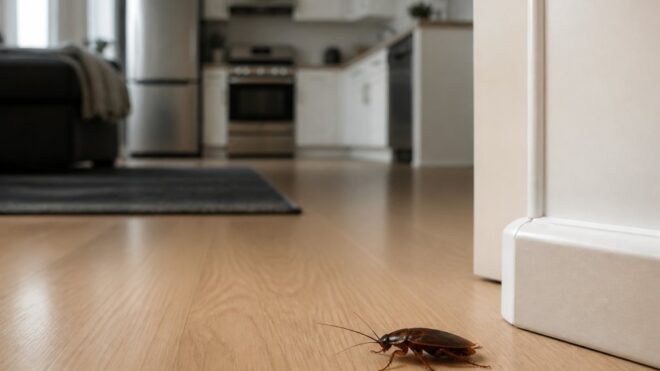
If you’re asking yourself "why do i have roaches in a clean apartment," you’re not alone. At Zoifia Pest Control, we’ve worked with many renters in the Boston area who maintained spotless homes yet still dealt with roach infestations. The truth is that cleanliness, while important, addresses only one piece of a much larger puzzle. Roaches survive in clean apartments because they’re looking for three things: water, shelter, and a way inside. Structural vulnerabilities in older buildings, moisture from plumbing systems, and infestations migrating from neighboring units create conditions where roaches thrive even in immaculate homes.
Cleanliness Alone Doesn’t Prevent Infestations
Most pest control advice starts and ends with sanitation: clean up crumbs, don’t leave dishes out, take out the trash. This guidance is correct but incomplete. Roaches navigate apartment buildings systematically, entering through structural gaps, following plumbing lines, and moving between units through shared walls. Once inside, they need water more than food, a single drop of moisture sustains them for days. Your pristine kitchen means nothing if condensation pools under your bathroom sink or if a neighbor’s unit is actively infested.
Many renters feel shame when they discover roaches, assuming it reflects poor housekeeping. It doesn’t. Integrated pest management professionals understand that infestations are architectural and environmental problems first, behavioral problems second. Even meticulous renters in older Boston-area buildings can face roach pressure from factors entirely outside their control: neighboring infestations, building-wide moisture issues, and structural gaps that no amount of cleaning will seal.
The single most effective defense against roaches in a clean apartment isn’t a cleaning schedule, it’s understanding your building’s vulnerabilities and addressing them systematically. Know where water sources are, where entry points exist, and whether neighboring units are affected.
Hidden Moisture and Water Sources Attract Roaches
Water is the roach’s primary need, more critical than food. A roach can survive weeks without eating but only days without water.
Leaky Faucets and Condensation
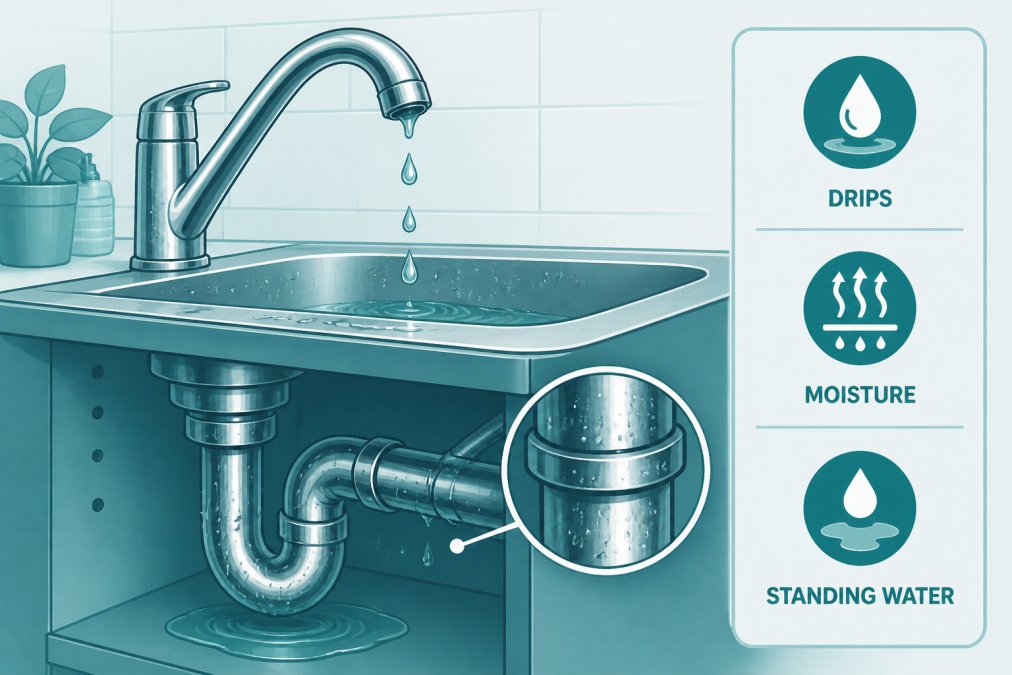
A single leaky faucet under your kitchen sink creates a harborage area that roaches find irresistible. The slow drip and pooling water signal "safe zone" to roaches. Even if you’ve sealed every food source, that leak broadcasts an open invitation.
Condensation is equally problematic. Bathroom mirrors fog up. Cold water pipes sweat in humid apartments. HVAC systems drip water into trays that sometimes overflow. Check under sinks monthly for leaks, wipe down pipes that sweat, and ensure bathroom exhaust fans run during and 20 minutes after showers. Your landlord is legally responsible for maintaining plumbing systems and fixing leaks, this is a repair request, not a favor.
HVAC Drip Trays and Plumbing Penetrations
HVAC systems generate condensation that drains into a drip tray, which should empty into a floor drain. When the tray overflows or the drain clogs, water pools inside walls or under flooring. Roaches colonize these spaces rapidly. Plumbing penetrations, where pipes pass through walls to reach neighboring units, create gaps that roaches exploit. Water leaking from pipes in these gaps creates damp spots in walls where roaches hide and breed.
Request that your landlord inspect HVAC drip trays and ensure they drain properly. Document any water stains or soft spots in walls or ceilings. Addressing moisture issues often eliminates 60-70% of roach activity in affected apartments, even before chemical control measures are applied.
Ignoring moisture problems guarantees roach persistence. Even the most effective pesticide treatments fail if water sources remain active. Roaches will return to breed in moist areas within weeks.
Structural Gaps and Entry Points in Apartment Buildings
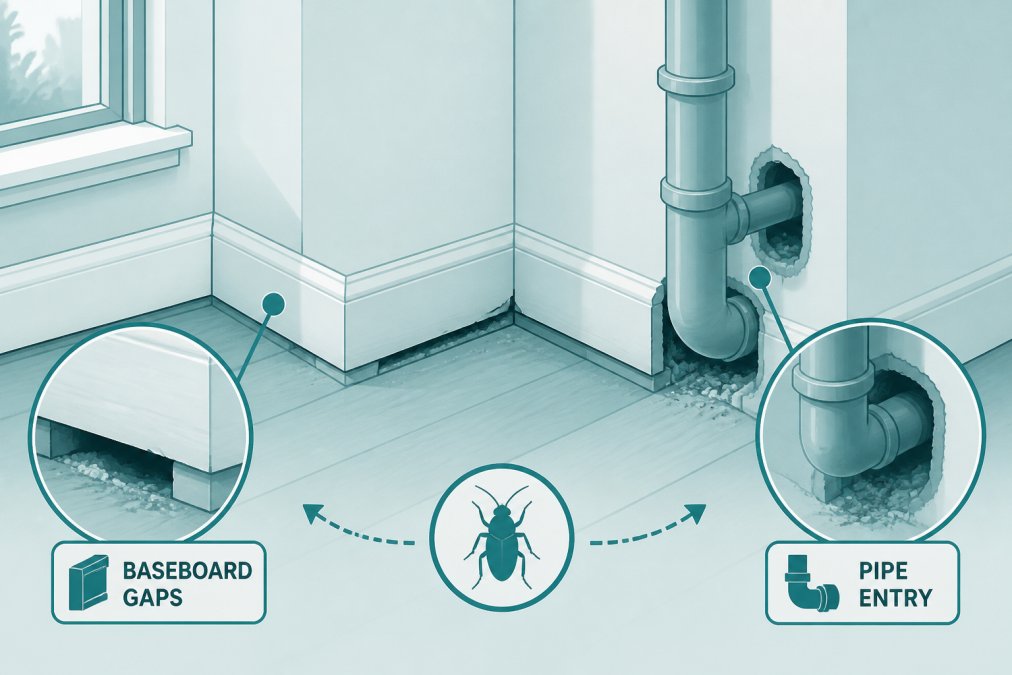
Roaches don’t break into apartments; they find openings that already exist. Older Boston-area buildings are particularly vulnerable because construction standards have evolved. Gaps around baseboards, where pipes enter walls, around electrical outlets, and where two walls meet are common entry points.
Shared Walls and Neighboring Infestations
Apartment buildings are interconnected systems. Roaches moving through shared walls, electrical conduits, and plumbing chases don’t respect unit boundaries. If a neighboring apartment has an active infestation, roaches will migrate to your unit regardless of your cleanliness or prevention efforts. A single female roach can produce 200-300 offspring in her lifetime.
Most states, including Massachusetts, require landlords to maintain habitable conditions, which includes pest-free housing. If neighboring units are infested and the landlord is not treating them, you may have grounds to withhold rent, break your lease, or demand treatment at the landlord’s expense. Documentation is critical, photos, pest sighting dates, and communication with your landlord create a record that protects you.
Roaches Coming From Neighbors: What You Need to Know
The question "why do i have roaches in a clean apartment" often has a simple answer: they’re coming from your neighbors.
How Infestations Spread Through Multi-Unit Buildings
Roaches are nocturnal foragers that travel 100+ feet in search of food and water. In an apartment building, that range encompasses multiple units. A roach emerging from a neighboring infested unit can reach your apartment in minutes through shared walls, under doors, and via plumbing lines. Within 4-6 months, an untreated infestation in a single unit can affect 50% of the building.
Roaches coming from neighbors is the most common reason for infestations in clean apartments. If you’re seeing activity, your neighbors likely are too. Collective action, requesting building-wide treatment, is more effective than individual unit treatment alone.
Cardboard Boxes, Clutter, and Hidden Harborage
Even in a clean apartment, certain items create harborage that roaches exploit. Cardboard boxes are the classic culprit. Roaches hide in the corrugated structure, lay eggs inside, and use boxes as transit vehicles. If you’ve brought in used boxes from storage, moving, or deliveries, you may have inadvertently introduced roaches to your home.
Why Packaging Materials Create Breeding Grounds
Cardboard, egg cartons, and paper bags provide ideal harborage: darkness, crevices, and often moisture. Clutter, even non-food clutter, serves the same function. Piles of clothing, stacks of papers, or items stored under beds create hiding spots where roaches breed undisturbed.
Break down and recycle cardboard immediately. Store items in sealed plastic containers instead of boxes. Minimize items under beds, in closets, and in dark corners. Roaches need darkness and crevices; plastic containers with tight lids eliminate both.
(/how-to-seal-cracks-prevent-roaches/) in Apartment Buildings]
How to Get Rid of Roaches in an Apartment: Proven Steps
Getting rid of roaches in a clean apartment requires addressing both the visible population and the underlying conditions that allowed them to establish.
Sanitation and Moisture Control First
Start with the foundation: eliminate water sources and food residue.
Water elimination:
- Fix leaky faucets immediately. Call your landlord if you can’t fix them yourself.
- Wipe down pipes under sinks daily to remove condensation.
- Empty and dry shower stalls and bathtubs before bed.
- Run bathroom exhaust fans during and 20 minutes after showers.
- Check HVAC drip trays and ensure they drain properly.
Food elimination:
- Don’t leave pet food out overnight.
- Wipe down countertops and stovetops after cooking.
- Sweep under appliances and furniture weekly.
- Store dry goods in sealed containers.
- Take out trash daily and use sealed bins.
This routine takes 15-20 minutes daily but removes the primary attractants roaches need to survive. Moisture control is more important than food control in apartment settings.
Sealing Entry Points and Caulking Gaps
Once you’ve addressed moisture and food, seal the entry points roaches use. Structural repairs are typically the landlord’s obligation, not the tenant’s.
However, you can seal some gaps yourself:
- Use caulk to seal gaps around baseboards in your unit. Removable caulk exists for renters who can’t make permanent changes.
- Seal gaps around pipes under sinks and around the apartment perimeter.
- Use weather stripping under doors to eliminate gaps where roaches enter.
- Seal electrical outlets with outlet covers or gaskets.
These steps reduce entry points but won’t solve the problem if neighboring units are infested or if major structural gaps exist. Request that your landlord seal plumbing penetrations, repair gaps in exterior walls, and address any moisture damage in shared spaces.
Document all gaps and moisture problems with photos and dates. When you request repairs, include this documentation. If your landlord refuses to address structural issues, you have grounds to involve local housing authorities or tenant advocacy organizations.
Best Roach Killer for Apartments: Gel Bait and Chemical Control
Once moisture and entry points are addressed, chemical control becomes effective. The best roach killer for apartments is gel bait, not spray insecticides.
Why Gel Bait Works Better Than Sprays
Gel bait is a poison disguised as food. Roaches consume it and return to their harborage areas, where they die and are consumed by other roaches, spreading the poison through the population. Spray insecticides kill roaches on contact but don’t address the population hiding in walls or neighboring units.
Effective gel bait placement:
- Place baits along baseboards where roaches travel.
- Position baits under sinks and near water sources.
- Put baits in kitchen cabinets, especially under the sink.
- Place baits in bathroom cabinets and under the toilet.
- Use baits near entry points like doors and windows.
Replace gel baits every 2-4 weeks or when they’re consumed. Continue baiting for 4-6 weeks to eliminate the entire population, including nymphs that hatch from eggs.
Integrated Pest Management for Long-Term Control
Integrated pest management (IPM) combines sanitation, moisture control, structural sealing, and targeted chemical use. This approach prevents reinfestation far better than chemical treatment alone.
The IPM sequence:
- Identify and eliminate moisture sources (1-2 weeks).
- Remove clutter and food sources (1 week).
- Seal entry points and gaps (ongoing).
- Apply gel baits in strategic locations (4-6 weeks).
- Monitor with sticky traps to confirm elimination (ongoing).
This process takes 6-8 weeks for complete elimination in most apartments. For renters in Boston-area buildings with shared infrastructure, IPM requires landlord cooperation. If your landlord refuses to address moisture or structural issues, the infestation will return regardless of how effective your chemical treatments are.
| Step | Timeline | Focus | Expected Result |
|---|---|---|---|
| Moisture control | Weeks 1-2 | Fix leaks, reduce condensation | Roach activity decreases 30-40% |
| Clutter removal | Week 1 | Remove cardboard, minimize hiding spots | Removes breeding harborage |
| Structural sealing | Weeks 1-4 | Caulk gaps, seal entry points | Prevents new roaches entering |
| Gel bait application | Weeks 1-6 | Place baits, monitor consumption | Visible dead roaches by day 3-5 |
| Monitoring | Weeks 4-8+ | Sticky traps, visual inspection | Confirms population elimination |
When to Call Your Landlord for Roaches
Roaches in an apartment create a legal situation that most renters don’t understand. Your landlord has obligations; you have rights.
Your Legal Rights as a Renter
In Massachusetts, landlords are required to maintain habitable premises, which includes pest-free housing. This is not a courtesy; it’s a legal obligation under the state’s Residential Tenancy Law. If roaches are present, your landlord must treat them at no cost to you. If roaches are coming from neighboring units or from building-wide structural problems, the landlord must address those issues building-wide.
Your rights include:
- Requesting pest treatment at no cost.
- Requesting treatment of neighboring units if you have evidence of infestation there.
- Withholding rent if the landlord fails to treat (consult a tenant advocate first).
- Breaking your lease if the apartment becomes uninhabitable due to pest infestation.
- Reporting the issue to local housing authorities if the landlord refuses to act.
Documentation and Next Steps
Document everything: dates and times of roach sightings, locations, photos of roaches or droppings, photos of moisture problems or gaps, and copies of all communication with your landlord.
Send a written request for pest treatment to your landlord. Email is ideal because it creates a timestamped record. Include photos and specific details: "I observed three roaches in my kitchen on August 2, 2026, and one in my bathroom on August 3. Photos attached. I request immediate professional pest treatment."
If your landlord doesn’t respond within 7-10 days, send a follow-up. If treatment isn’t scheduled within 14 days, contact your local housing authority or a tenant advocacy organization. When you contact a professional pest control company, they can often communicate directly with your landlord about treatment needs and building-wide issues.
Roaches in a clean apartment reveal a gap between what you can control and what your building’s infrastructure determines. Moisture, structural vulnerabilities, and neighboring infestations create conditions where roaches thrive regardless of how spotless your home is. The solution requires addressing both your own prevention practices and your landlord’s responsibility to maintain the building. Zoifia Pest Control specializes in apartment infestations throughout the Metro Boston area, using integrated pest management to eliminate roaches and prevent reinfestation. Our licensed and insured team provides a 90-day guarantee with no long-term contract required. Get a quote today and stop guessing whether the problem is your fault.
Frequently Asked Questions
Why do I have roaches in a clean apartment if I don't leave food out?
Roaches don't need visible crumbs to thrive. They feed on soap residue, toothpaste, dead skin cells, and other organic matter. More importantly, they're attracted to moisture sources like leaky faucets, condensation around pipes, and dripping HVAC units. A clean apartment can still provide the water and hidden harborage roaches need to survive and breed. If your neighbors have an infestation, roaches migrate through shared walls and plumbing penetrations regardless of your sanitation habits.
Can roaches come from neighbors in an apartment building?
Yes, absolutely. Roaches travel through structural gaps, shared plumbing lines, and spaces around electrical conduits. In older Boston-area buildings especially, deteriorating caulking and gaps around baseboards create highways between units. If your neighbor has an active infestation, roaches will seek out your apartment for additional food and water sources. This is why building-wide pest management is often necessary, treating only your unit won't solve the problem if neighboring units remain infested.
What's the best roach killer for apartments that won't require me to move out?
Gel bait stations are the most effective and tenant-friendly option. They target roaches where they hide and breed without requiring you to vacate. Gel baits work by attracting foraging roaches who consume the bait and return to their harborage, poisoning the colony. Residual insecticides applied as a perimeter treatment can also work well in apartments. For best results, combine chemical control with sanitation, moisture reduction, and sealing entry points. Professional pest management services can apply these methods safely without disrupting your daily life.
When should I call my landlord about roaches, and what are my legal rights?
Contact your landlord immediately upon discovering roaches. In Massachusetts, landlords are required to maintain premises in habitable condition, which includes pest-free housing. Document the infestation with photos and dates of sightings. Send written notice (email is acceptable) requesting treatment within a reasonable timeframe. If your landlord fails to address the issue, you may have grounds to withhold rent or break your lease. Many landlords appreciate early notification because infestations spread quickly in multi-unit buildings. Professional treatment is typically the landlord's responsibility, not the tenant's.
This article was written using GrandRanker
