Table of Contents
- Why Multi-Family Homes Need Cost-Effective Pest Management
- Tip 1: Implement Integrated Pest Management (IPM) in Multi-Family Housing
- Tip 2: Seal Entry Points and Perform Structural Repairs to Prevent Pests in Apartments
- Tip 3: Educate Tenants and Establish Pest Prevention Communication
- Tip 4: Use Low-Cost DIY Pest Control Methods and Monitoring Tools
- Tip 5: Conduct Regular Inspections and Monitor Pest Activity
- Understanding the Cost of Commercial Pest Control for Multi-Family Properties
- Conclusion: Building a Sustainable Pest Management Strategy
Last Updated: July 20, 2026
Managing pests in multi-family housing presents unique challenges that single-family homeowners rarely face. Shared walls, common areas, and frequent tenant turnover create conditions where infestations spread quickly and cost property managers thousands in remediation. At Zoifia Pest Control, we’ve seen how the right preventative strategies can reduce pest-related complaints by 70% while cutting treatment costs in half. This guide covers 5 cost-effective pest management tips for multi-family homes that balance resident safety, regulatory compliance, and long-term cost reduction.
According to the National Pest Management Association, preventative approaches reduce pest management expenses by 40-60% compared to emergency interventions.
Preventing pests in multi-family homes costs 40-60% less than treating active infestations, while also protecting occupancy rates and regulatory compliance.
Why Multi-Family Homes Need Cost-Effective Pest Management
Multi-family properties face pest pressures that single-family homes don’t encounter. Shared infrastructure, walls, pipes, electrical conduits, and HVAC systems, creates highways for pests to move between units. When one unit has an infestation, neighboring units are often already compromised before residents notice the problem.
Tenant turnover accelerates this issue. New residents may unknowingly bring bed bugs in luggage or used furniture. Vacant units become harborage areas where pests multiply unchecked. Beyond operational costs, infestations damage your property’s reputation and occupancy rates. Regulatory pressure adds another layer: many municipalities require property managers to maintain pest-free conditions, creating liability and potential fines.
Tip 1: Implement Integrated Pest Management (IPM) in Multi-Family Housing
Integrated Pest Management is a science-based framework that combines prevention, monitoring, and targeted intervention to control pests with minimal reliance on chemicals. Rather than spraying pesticides broadly, IPM uses data to identify where pests are, why they’re there, and what the least-toxic solution is.
How IPM Works: Prevention Over Treatment
IPM begins with inspection and monitoring. Pest management professionals place monitoring devices, sticky traps, bed bug interceptors, rodent snap traps, in strategic locations throughout the property. These devices detect pests when populations are small and treatment is simple.
Next, IPM eliminates food and water sources. This means sealing garbage areas, fixing water leaks, removing clutter, and storing food properly in common areas. Cockroaches need moisture to survive; eliminate standing water and you’ve removed their primary need. Rodents need shelter; seal gaps and they have nowhere to nest.
Finally, IPM applies the least-toxic intervention appropriate to the situation. For a small cockroach population, this might mean placing boric acid in cracks where roaches hide. For a rodent problem, snap traps placed along walls are more effective and safer than broad pesticide applications.
Research from the EPA’s Integrated Pest Management resources confirms that IPM reduces pesticide use by 50-90% while maintaining or improving pest control outcomes.
Reducing Long-Term Costs with IPM
The financial advantage of IPM compounds over time. Initial setup costs are moderate, inspection equipment, monitoring devices, and staff training. Within 6-12 months, the cost per unit drops dramatically compared to reactive emergency treatments.
Consider a 100-unit apartment complex. A reactive approach might cost $150-300 per unit annually when infestations require emergency service calls. An IPM program typically costs $40-80 per unit annually for monitoring and prevention. Over five years, the difference is substantial: reactive costs $75,000-150,000 versus IPM costs $20,000-40,000.
Start IPM implementation in your highest-risk areas first, basements, mechanical rooms, kitchens, then expand to other units. This phased approach spreads costs and demonstrates ROI before full rollout.
Tip 2: Seal Entry Points and Perform Structural Repairs to Prevent Pests in Apartments
Pests enter buildings through gaps, cracks, and holes in the exterior and interior structure. Rodents can squeeze through openings the size of a dime. Cockroaches fit into cracks thinner than a credit card. Sealing entry points is the single most cost-effective pest prevention measure available.
Identifying and Sealing Common Entry Points
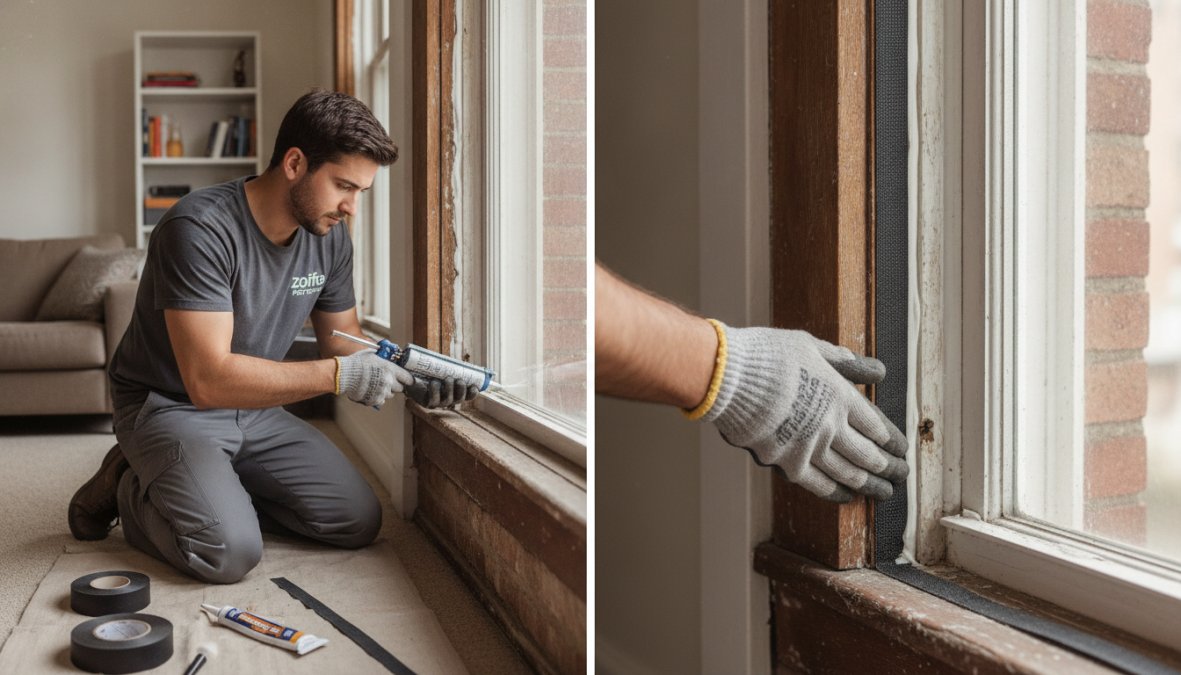
Common entry points include gaps around pipes and conduits, cracks in foundation walls, gaps between baseboards and flooring, holes around electrical outlets, and spaces around HVAC penetrations. Begin with a systematic inspection, walking the building’s perimeter and interior, paying special attention to utility areas where water lines enter, electrical conduits pass through walls, and HVAC ducts connect.
Document findings with photos and location notes. Prioritize based on pest risk. Entry points on the ground floor near dumpsters are higher priority than upper-floor gaps. Sealing methods vary by location and gap size. Small cracks (less than 1/4 inch) can be sealed with caulk. Larger gaps require weatherstripping, foam sealant, or hardware cloth.
DIY Sealing Methods vs. Professional Repairs
Property managers can handle many sealing tasks with basic materials. Caulk costs $3-10 per tube. Weatherstripping costs $5-20 per roll. Expanding foam costs $5-15 per can. For a multi-unit property, material costs for comprehensive sealing are often under $500.
A practical approach: use maintenance staff for caulking and weatherstripping, hire professionals for structural repairs requiring specialized skills or equipment. Professional sealing might cost $3,000-8,000 for a 100-unit building, but it’s typically a one-time expense lasting 5-10 years.
Tip 3: Educate Tenants and Establish Pest Prevention Communication
Tenants are your first line of defense against pests. They spend more time in units than anyone else and notice early signs of infestation. Tenant education transforms residents into active partners in pest prevention.
Creating a Tenant Reporting System
Establish a clear, easy reporting process. Provide residents with a phone number, email, or online portal specifically for pest-related concerns. Respond to reports within 24 hours. Document all reports with date, location, pest type, and actions taken. This creates a record that helps identify patterns.
Train maintenance staff to recognize early signs of infestation. A single cockroach in a common area might indicate a larger problem developing. A few droppings in a storage area suggest rodent activity.
Best Practices for Sanitation and Waste Management
Sanitation is the foundation of pest prevention. Provide clear guidance to residents: store food in sealed containers, clean up spills immediately, don’t leave pet food out overnight, take out trash regularly, and keep drains clean.
For common areas, establish strict sanitation protocols. Dumpsters should be enclosed and emptied regularly. Loading areas should be swept daily. Break rooms should be cleaned after each use.
Leaking pipes and standing water in mechanical rooms, basements, and crawlspaces attract cockroaches and other moisture-loving pests. Monthly inspections of these areas can prevent infestations from starting.
Tip 4: Use Low-Cost DIY Pest Control Methods and Monitoring Tools
When pests are detected early, simple, inexpensive control methods often work. These methods are safer for residents and the environment than broad chemical applications.
Affordable Traps and Baits for Common Pests
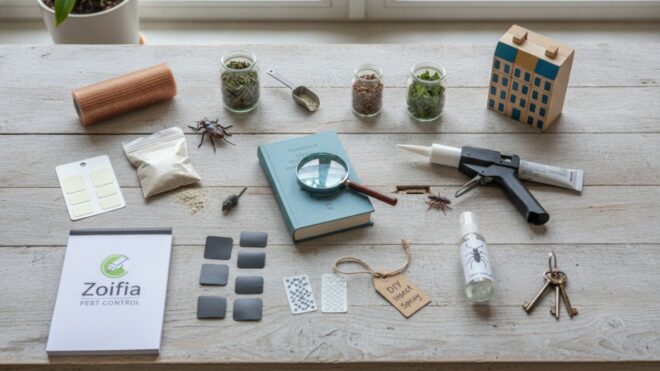
Snap traps are effective for rodents and cost under $2 per trap. Placed along walls where mice travel, they catch rodents quickly. For cockroaches, boric acid is inexpensive and effective. Applied as a light dust in cracks and crevices, it dehydrates and kills roaches. A 1-pound container costs $10-20 and treats multiple units.
Diatomaceous earth (DE) is another low-cost option for crawling insects. This natural powder damages the exoskeleton of insects, causing dehydration and death. A 5-10 pound bag costs $15-30 and provides long-lasting residual protection when kept dry.
Sticky traps monitor flying insects and detect pest presence without killing. TERRO Multi-Surface Roach Baits attract cockroaches and transfer poison back to their nests, killing the entire colony. A 4-count pack costs around $4 and covers multiple units.
Natural and Chemical-Free Alternatives
Peppermint oil acts as a rodent repellent. Spray peppermint oil around entry points or soak cotton balls and place them in areas where rodent activity has been detected. Reapplication every 2-4 weeks maintains effectiveness.
Caulking and sealing are the most effective chemical-free prevention method. They physically prevent pests from entering, which is more reliable than any repellent. Proper waste management and sanitation eliminate the food sources that attract pests in the first place.
Tip 5: Conduct Regular Inspections and Monitor Pest Activity
Monitoring detects infestations when populations are small and treatment is simple. Without monitoring, infestations grow unchecked until residents notice them, at which point they’re often widespread and expensive to treat.
Setting Up a Monitoring Schedule
Establish a monthly inspection schedule. Walk the building systematically, checking high-risk areas: basements, mechanical rooms, kitchens, bathrooms, storage areas, and common areas. Look for signs of pest activity: droppings, dead insects, live insects, gnaw marks, grease marks, or musty odors.
Check monitoring devices and record findings. Document all inspections with date, location, findings, and actions taken. This record helps identify patterns over time.
Using Technology for Early Detection
Modern monitoring devices include smart traps that send alerts when pests are caught. Victor VLINK Rodent Traps use wireless technology to notify property managers when a trap is triggered, eliminating the need for daily manual checks. Bed bug monitors like Riddy Bed Bug Monitors use lures that mimic human skin odor, attracting bed bugs into traps for early detection.
| Monitoring Method | Cost Per Unit | Detection Speed | Best For |
|---|---|---|---|
| Monthly visual inspection | $0-50 | 4-6 weeks | All properties |
| Sticky traps | $2-5 | 1-2 weeks | Flying insects, cockroaches |
| Snap traps | $1-3 | 2-7 days | Rodents |
| Bed bug interceptors | $3-8 | 1-2 weeks | Bed bug detection |
| Smart traps (wireless) | $15-30 | Real-time alerts | Large properties, rodents |
Understanding the Cost of Commercial Pest Control for Multi-Family Properties
Professional pest control services provide expertise and resources that in-house efforts may lack. Understanding when to use professionals and how their services fit into your overall strategy is essential for cost-effective management.
Comparing DIY vs. Professional Services
DIY pest control costs are primarily materials and staff time. Caulking, weatherstripping, monitoring devices, and baits total $50-150 per unit annually for prevention. Professional IPM services typically cost $40-80 per unit annually for ongoing monitoring and prevention. For severe infestations, professional treatment adds $200-500 per unit.
A hybrid approach works well for many properties: use in-house staff for routine monitoring and sanitation, bring in professionals for quarterly inspections and annual treatments.
ROI of Preventative Pest Management
The financial case for preventative pest management is strong. A property that invests $50 per unit annually in prevention avoids $200-400 per unit in emergency treatments, lost rent from pest-related vacancies, and reputation damage.
Over a five-year period, a 100-unit property spending $25,000 on prevention avoids an estimated $100,000-200,000 in reactive costs and lost revenue. The payback period is typically 6-12 months.
Prevention-focused pest management delivers measurable financial returns within 6-12 months while improving resident satisfaction and reducing regulatory risk.
Conclusion: Building a Sustainable Pest Management Strategy
Multi-family pest management requires a coordinated approach that combines prevention, monitoring, tenant engagement, and professional expertise. The 5 cost-effective pest management tips outlined here, implementing IPM, sealing entry points, educating tenants, using affordable control methods, and conducting regular monitoring, form the foundation of a sustainable strategy.
The challenge most property managers face is execution. Prevention requires ongoing commitment. Monitoring must happen consistently. Tenant communication must be clear and regular. Staff must be trained and held accountable.
Zoifia Pest Control specializes in helping multi-family properties implement comprehensive pest management programs. Our licensed and insured team conducts thorough inspections, places and monitors detection devices, provides staff training, and delivers targeted treatments when needed, all backed by our 90-day guarantee. Whether you manage a small apartment complex or a large multi-unit property, the principles are the same: prevent pests from entering, eliminate conditions that attract them, detect problems early, and respond quickly when they occur. Get a quote from Zoifia Pest Control to see how professional pest management can reduce your costs while improving resident satisfaction and protecting your property’s value.
Frequently Asked Questions
What is the most cost-effective pest management approach for multi-family housing?
Integrated Pest Management (IPM) is the most cost-effective approach because it combines prevention, monitoring, and targeted treatment rather than relying solely on expensive chemical applications. IPM reduces long-term pest control costs by addressing root causes like entry points, sanitation, and habitat modification. This strategy minimizes pest infestations before they become severe, lowering overall expenses and improving tenant satisfaction in multi-family homes.
How can tenant education help reduce pest control costs in apartments?
Tenant education directly reduces pest control costs by preventing infestations before they start. When residents understand how to eliminate food sources, properly manage waste, and report early signs of pests, property managers can intervene quickly and prevent widespread infestations. This tenant education pest prevention approach means fewer costly treatments and less disruption. Establishing clear communication channels and providing simple guidelines significantly decreases the need for emergency or intensive pest control services.
What are affordable DIY pest control methods for multi-family residents?
Affordable DIY options include diatomaceous earth ($15-$30 for a 5-10 lb bag), boric acid ($10-$20 per container), and monitoring traps like TERRO Multi-Surface Roach Baits ($4 per pack) or Riddy Bed Bug Monitors ($20 for a 4-pack). These methods target specific pests without expensive professional treatments. Natural alternatives like peppermint oil spray are also cost-effective for rodent deterrence. However, DIY methods work best for prevention and early detection, severe infestations typically require professional intervention for complete resolution.
How much does professional pest control typically cost for multi-family properties?
Professional pest control costs vary based on property size and infestation severity. Initial inspections typically range from $150-$300, while ongoing service plans vary, monthly subscriptions may cost $40-$65, and quarterly visits can range from $95-$285 per visit. Exact pricing depends on your specific situation, pest type, and treatment frequency. For accurate pricing tailored to your multi-family property, contact a licensed pest control provider like Zoifia Pest Control for a detailed quote without hidden fees or long-term contract requirements.
Why is sealing entry points important for cost-effective pest management in apartments?
Sealing entry points is one of the most cost-effective pest prevention strategies because it stops infestations before they start. Caulk and weatherstripping ($3-$20 per application) are inexpensive materials that prevent insects and rodents from entering units. By addressing cracks, gaps, and structural deficiencies proactively, property managers avoid expensive treatments later. This preventative approach to sealing entry points pests apartments reduces tenant complaints, minimizes pest-related property damage, and extends the effectiveness of other pest management strategies.
This article was written using GrandRanker
