Table of Contents
- Why You Still See Roaches After Pest Control
- How Long After Pest Control Do Roaches Die
- Cleaning After Roach Extermination: The Right Way
- When to Request a Pest Control Re-Treatment
- How to Prevent Re-Infestation and Monitor for Pest Activity
- Frequently Asked Questions
Last Updated: September 23, 2026
Why You Still See Roaches After Pest Control
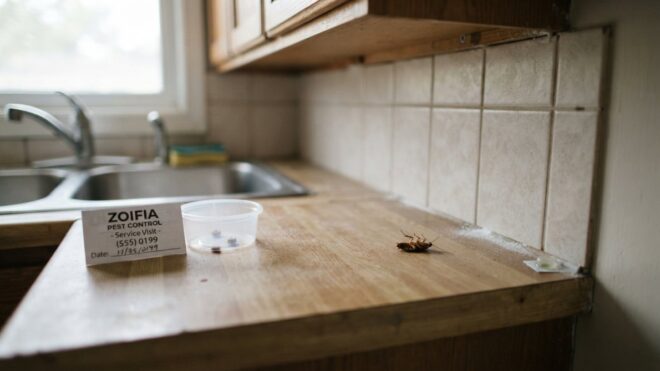
Seeing roaches after pest control treatment can feel like the service failed. It didn’t. What you’re witnessing is part of how pest control actually works. At Zoifia Pest Control, we help homeowners understand why roaches after pest control appear even after professional treatment, and what that means for your home.
The truth is straightforward: not every roach dies on day one. The treatment targets active insects and creates barriers. But the roach population has multiple life stages, and some survive the initial application. Understanding this process helps you avoid panic and unnecessary callbacks.
Egg Cases and Nymphs Survive Initial Treatment
Roaches reproduce through egg cases called oothecae. A single female can produce multiple egg cases, each containing 10-40 nymphs. These eggs have a protective shell that resists most pesticides. When a pest control professional treats your home, the insecticide kills active roaches and nymphs on contact. The egg cases remain largely unaffected.
Here’s what happens next: eggs hatch over the following weeks. The nymphs emerge and encounter the residual chemical barrier left by treatment. This is where the real work happens. The barrier kills the newly hatched nymphs as they move across treated surfaces. This cycle continues for 7-14 days after your initial service, which is why you may still see activity.
A common mistake homeowners make is assuming a second treatment is needed immediately. In most cases, waiting allows the treatment cycle to work on emerging nymphs. Premature re-treatment can actually interfere with the process and waste money.
Roaches Flushed Out by Treatment Activity
When pest control technicians apply treatments, they use techniques like flushing out to drive roaches from their hiding spots. This forces insects into open areas where they contact the insecticide. The activity is intentional and necessary.
This means you might see MORE roaches immediately after treatment than before. This is not a sign of failure. It’s the treatment working. Roaches are being forced from baseboards, under appliances, and behind cabinets into the open where they’re exposed to the chemical barrier.
Most roaches you see during this phase are already affected by the treatment. They appear lethargic or disoriented. They’re moving because the chemicals are disrupting their nervous systems. Within hours to days, these insects die.
Chemical Interaction Warnings: What Homeowners Get Wrong
This is where many homeowners accidentally sabotage professional pest control. Certain household chemicals interfere with pest control treatments and reduce their effectiveness. Understanding what NOT to do is as important as knowing what to do.
Do not use bleach, ammonia, or other disinfectants on treated surfaces for at least 48 hours after service. These chemicals break down the residual barrier. The same applies to floor waxes, oils, and sealants. If you clean treated baseboards with these products, you’re removing the protective layer that kills emerging nymphs.
Ventilation is important, but do not open windows immediately after treatment to air out your home. Let the chemicals settle and dry. Proper ventilation happens naturally as the product cures. Opening windows can reduce the concentration of active ingredients in the air and on surfaces.
Never apply your own pesticides on top of professional treatment. Mixing chemicals creates unpredictable reactions. Some combinations reduce effectiveness. Others create hazardous fumes. Let the professional treatment work alone for the full treatment cycle.
How Long After Pest Control Do Roaches Die
The timeline for roach death varies based on the treatment method, the roach species, and environmental conditions. Understanding this timeline prevents unnecessary panic and premature callbacks.
Timeline for Different Roach Species
German roaches are the most common household pest. They’re small, fast-reproducing, and tend to hide in kitchens and bathrooms. After professional treatment, most German roaches die within 3-7 days. Nymphs may take slightly longer as they’re more sensitive to certain chemicals.
American roaches are larger and often found in basements, crawl spaces, and commercial kitchens. They reproduce more slowly than German roaches but are harder to eliminate. Expect 7-10 days for visible population reduction with American roaches.
Brown-banded roaches prefer warm, dry areas like upper cabinets and wall voids. They respond similarly to German roaches, with most dying within 5-7 days of treatment.
The variation in timeline comes down to how the roach species interacts with the chemical barrier and how quickly they encounter treated surfaces. Some roaches may take longer to emerge from deep harborage areas.
What to Expect During the First 48 Hours
The first two days after treatment are critical. This is when the chemical barrier is establishing itself on treated surfaces. During this window, you’ll likely see roach activity.
Here’s what’s happening: residual sprays create a protective layer on baseboards, under sinks, and in cracks and crevices. As roaches move across these areas, they pick up the active ingredient. The chemical affects their nervous system. They become sluggish, stop eating, and eventually die.
You may see roaches moving slowly or in unusual patterns. This is a sign the treatment is working. Roaches that appear disoriented or unable to climb are already affected. Do not touch them with bare hands. Use a paper towel or tissue to dispose of them in a sealed trash bag.
Avoid the temptation to clean treated areas. Let the chemical barrier cure undisturbed. Mop, wipe, or spray these areas with household cleaners and you’re removing the very thing that’s killing the remaining population.
Cleaning After Roach Extermination: The Right Way
Cleaning is essential after roach treatment, but timing and method matter. Improper cleaning can undo the work and leave you vulnerable to re-infestation.
Proper Sanitation Protocols After Treatment
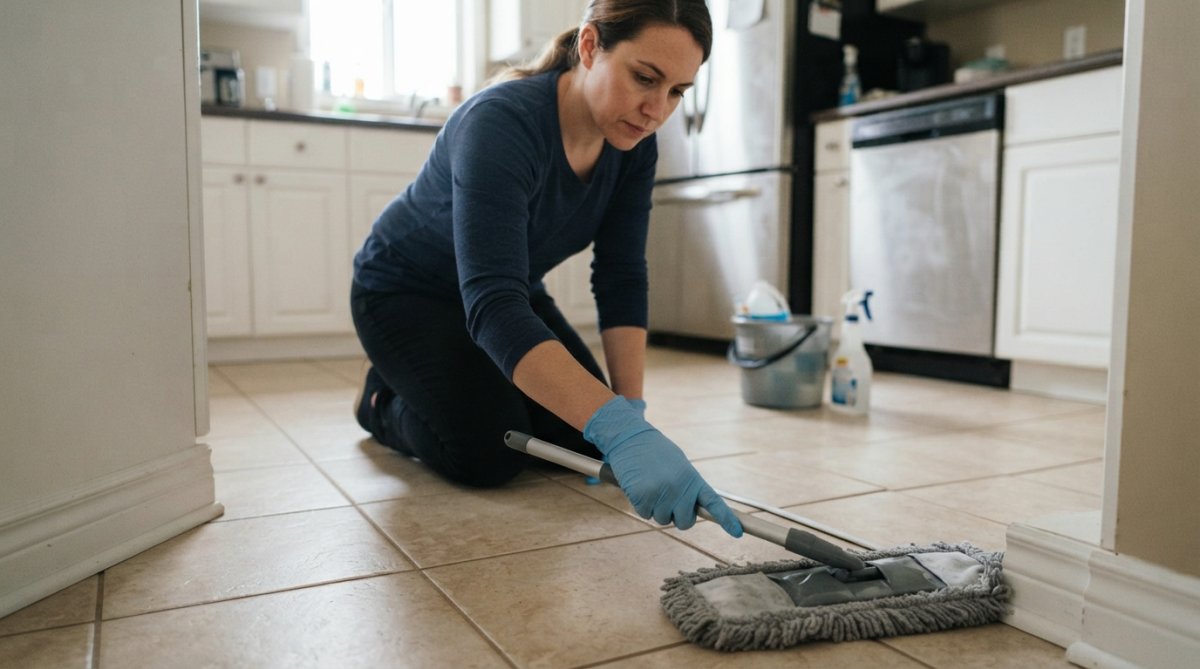
Wait at least 48 hours after treatment before cleaning. This allows the residual chemical to fully cure and establish its protective barrier. After 48 hours, you can resume normal cleaning routines, but with specific guidelines.
Use warm water and a damp cloth or mop for general cleaning. Avoid harsh chemicals like bleach, ammonia, or commercial disinfectants on treated surfaces. These break down the residual barrier. Plain water and mild dish soap are sufficient for sanitation.
Focus cleaning on areas where food and water sources exist: kitchen counters, under sinks, and around appliances. Remove crumbs, grease, and standing water. Roaches need these resources to survive. Eliminating them removes reasons for the remaining population to stay.
Vacuum carpets and rugs thoroughly. Roaches hide in carpet fibers and under furniture. Vacuuming removes roaches and their droppings. Dispose of the vacuum bag in a sealed trash container immediately after use.
Pay special attention to baseboards and cracks and crevices. These are roach highways. Clean them gently without disturbing the chemical barrier. A damp cloth works better than sprays or scrubbing.
Common Mistakes Homeowners Make
The biggest mistake is over-cleaning immediately after treatment. Homeowners see a few roaches and panic, then scrub everything with bleach. This removes the protective chemical barrier and wastes the professional treatment.
Another common error is using pesticide sprays purchased from stores on top of professional treatment. These interfere with the treatment plan and create chemical interactions that reduce effectiveness. Trust the professional treatment to work on its own.
Sealing entry points too early is another mistake. Some homeowners caulk cracks and seal gaps immediately after treatment, trapping roaches inside walls. Wait until the treatment cycle is complete (typically 10-14 days) before sealing entry points. This allows trapped roaches to exit and encounter the chemical barrier.
Failing to remove food sources is a critical oversight. Even with professional treatment, roaches will survive if food and water are available. Clean regularly, store food in sealed containers, and fix leaky pipes. These sanitation steps are as important as the chemical treatment itself.
When to Request a Pest Control Re-Treatment
Most homeowners don’t need a second treatment. The initial service, combined with proper sanitation, eliminates the infestation. However, certain situations warrant a follow-up.
Signs You Need a Follow-Up Service
If you see heavy roach activity after 10-14 days, contact your pest control provider. This suggests either the initial treatment didn’t fully penetrate the infestation or environmental conditions prevented the chemicals from working effectively.
Continued sightings in areas far from the initial treatment zone may indicate multiple infestation sites.
Understanding Your 90-Day Guarantee
Zoifia Pest Control backs every service with a 90-day guarantee. This means if roaches return within 90 days of your initial treatment, we return at no charge to retreat the affected areas. This guarantee assumes you’ve followed post-treatment cleaning guidelines and maintained proper sanitation.
How to Prevent Re-Infestation and Monitor for Pest Activity
Prevention is far more cost-effective than repeated treatments. Once your home is roach-free, keeping it that way requires ongoing attention to sanitation and monitoring.
Frequently Asked Questions
Is it normal to see roaches after pest control treatment?
Yes, it’s completely normal. Roaches don’t die instantly after treatment. Residual sprays and baiting systems take 24-72 hours to eliminate roaches through the bloodstream or stomach. You may also see roaches fleeing from treated areas or emerging from egg cases (ootheca) that hatch after the initial treatment. This is actually a sign the treatment is working, not a failure.
How long after pest control do roaches die?
Most roaches die within 24-72 hours after professional treatment, depending on the species and active ingredient used. German roaches typically die faster than American or Oriental roaches. Nymphs and smaller roaches may succumb within 24 hours, while larger adults take longer. Egg cases don’t respond to sprays and may hatch 7-10 days later, which is why follow-up services are part of a complete treatment cycle.
What should I do after roach extermination to avoid ruining the treatment?
Avoid mopping or excessive cleaning for at least 24-48 hours after treatment, as this removes the chemical barrier. Don’t touch baseboards, cracks, or crevices where the pest control professional applied residual spray. Vacuum only if necessary, and avoid using bleach or other cleaners that can interact with the active ingredients. Once 48 hours have passed, normal cleaning is safe and actually helps with sanitation and monitoring for remaining pest activity.
When should I call for a pest control re-treatment?
Contact your pest control provider if you see significant roach activity after 10-14 days, or if sightings increase rather than decrease. Most professional treatments include follow-up visits as part of integrated pest management. Zoifia Pest Control’s 90-day guarantee covers re-treatment at no additional charge if infestation persists within that window, so don’t hesitate to schedule a follow-up service if needed.
