Table of Contents
- Common Pests in Attleboro, MA
- Residential Pest Control Services in Attleboro
- Commercial Pest Management in Attleboro
- Pest Control Cost and Pricing in Attleboro, MA
- Organic and Eco-Friendly Pest Control in Attleboro
- Emergency Pest Control Services in Attleboro, MA
- Seasonal Pest Calendar for Attleboro Homeowners
- DIY vs. Professional Pest Control: Cost-Benefit Analysis
Pest Control Attleboro MA: Local Guide & Services
Last Updated: July 26, 2026
When homeowners in Attleboro face pest infestations, the stakes are high: property damage, health risks, and stress. Finding reliable pest control services shouldn’t mean choosing between expensive national chains and inexperienced local operators. At Zoifia Pest Control, we understand the unique pest challenges facing Massachusetts homeowners and deliver fast, licensed, guaranteed solutions without long-term contracts. This guide breaks down what you need to know about pest control services in Attleboro, from identifying common invaders to evaluating your options.
Common Pests in Attleboro, MA
Attleboro’s climate and older housing stock create ideal conditions for specific pest problems.
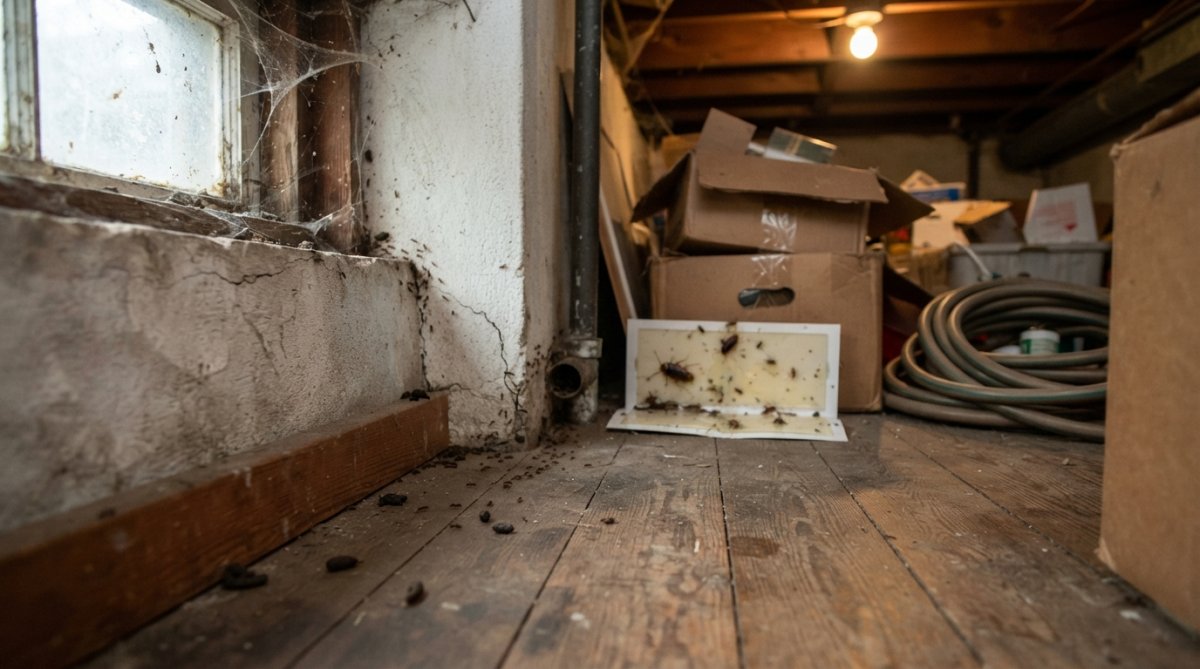
Rodents are the most persistent problem. Mice and rats enter homes through cracks as small as a dime, contaminate food, and damage insulation and wiring. Winter drives them indoors, making fall and winter peak seasons for rodent complaints.
Cockroaches are another major concern, particularly in multi-unit buildings. German cockroaches reproduce rapidly, a single pair can generate thousands of offspring in months, and trigger allergies while spreading bacteria.
Bed bugs have made a significant comeback in Massachusetts. They travel in luggage and used furniture and spread quickly through multi-unit buildings. Attleboro’s rental market makes bed bug infestations particularly common.
Termites pose serious structural threats. The Eastern subterranean termite is native to Massachusetts and causes millions in damage annually. Attleboro’s older homes, many built in the 1800s and early 1900s, are especially vulnerable.
Ants, mosquitoes, wasps, and stink bugs round out typical pest problems. While less immediately threatening than rodents or termites, ants contaminate food and establish massive colonies, while mosquitoes carry disease.
The best time to address pest problems in Attleboro is before they become infestations. Scheduling a professional inspection in September or October prevents winter invasions.
Residential Pest Control Services in Attleboro
Residential pest control typically falls into three categories: one-time treatments, quarterly maintenance plans, and emergency response services.
One-time treatments work best for isolated problems like a wasp nest or early bed bug detection. However, they don’t address underlying conditions that attracted pests, so re-infestation is possible without follow-up prevention.
Quarterly maintenance plans provide ongoing protection. Technicians visit four times yearly, coordinated with seasonal pest activity. Spring targets emerging insects and termite swarmers. Summer focuses on mosquitoes and ticks. Fall addresses rodent entry points. Winter includes monitoring and sealing work. This approach catches problems early and maintains year-round protection.
Many Attleboro homeowners prefer flexible, contract-free arrangements. Rather than committing to a full-year plan, they schedule service as needed. Zoifia Pest Control offers this flexibility with no long-term contracts required.
Rodent Control and Prevention
Rodent control requires two simultaneous approaches: eliminating current populations and sealing entry points.
Active treatment uses trapping and baiting. Snap traps and electronic traps are more humane and effective than poison, which can lead to dead rodents in inaccessible wall cavities. Professional technicians know rodent behavior and placement strategy; DIY traps often fail due to incorrect positioning.
Exclusion work is equally important. Rodents enter through gaps around pipes, foundation cracks, holes in siding, and gaps around doors and windows. A thorough inspection identifies entry points, which are sealed with steel mesh, caulk, or hardware cloth.
The timeline typically spans 2-4 weeks. Initial treatment reduces the population within days, but follow-up visits confirm success and address remaining activity.
Never use poison alone without trapping. Rodents die in walls, creating severe odor problems lasting weeks. Professional rodent control combines trapping, exclusion, and targeted baiting for faster, cleaner results.
Termite Inspection and Treatment
Termite damage is cumulative and often invisible until severe. Professional inspection is the only reliable way to catch termites early.
Inspections involve detailed examination of the foundation, crawl space, basement, and wooden structures. Technicians look for mud tubes, damaged wood, and termite droppings. They may use moisture meters and sounding tools to identify soft wood indicating active damage.
Treatment options include liquid barrier treatments and bait systems. Liquid barriers create a chemical perimeter around the foundation. Bait systems use slow-acting poison that termites carry back to the colony, killing the queen and entire nest. Bait systems are often preferred because they eliminate the colony rather than just creating a barrier.
Ongoing monitoring is essential because new colonies can establish themselves. Many pest control companies offer annual termite inspections as part of maintenance plans.
Bed Bug Extermination
Bed bugs hide in cracks, seams, and cavities where sprays don’t reach. A single missed bug can restart an infestation.
Professional treatment combines chemical applications targeting visible bugs and accessible hiding spots with heat treatments that raise room temperatures to 118°F or higher, killing all life stages. Some companies use both methods for comprehensive results.
Every item in the room must be addressed: bedding, furniture, clothing, and personal items. Infested items are treated, sealed, or discarded. Multiple visits catch bugs emerging after initial treatment.
Bed bug treatment costs more than other pest services due to labor intensity and multiple visits, but the cost of not treating, spreading to other rooms and units, far exceeds professional treatment expense.
Commercial Pest Management in Attleboro
Commercial properties face different pest challenges than residential homes. Restaurants, food processing facilities, warehouses, and office buildings require pest management strategies protecting operations and maintaining compliance.
Food service establishments are particularly vulnerable to cockroach and rodent infestations. Health inspectors conduct surprise visits, and a single pest violation can result in fines or closure. Many restaurants contract for weekly or bi-weekly service to prevent violations.
Warehouses attract rodents and insects due to food sources and shelter. Pest management focuses on exclusion, sanitation, and ongoing monitoring through traps and inspection.
Office buildings and retail spaces require discreet service that doesn’t disrupt operations. Technicians typically work after hours. The focus is prevention rather than emergency response.
Commercial pest control contracts typically include regular inspections on a set schedule, documented treatment records for compliance, emergency response, and customized treatment plans based on business type.
Pest Control Cost and Pricing in Attleboro, MA
Pest control pricing varies based on pest type, infestation severity, property size, and treatment method.
One-time treatments for isolated problems typically range from affordable entry points to several hundred dollars. Quarterly maintenance plans spread costs across the year, making budgeting easier.
When requesting quotes, ask specifically what’s included: the pest(s) being treated, treatment method, number of visits required, exclusion work included, and any guarantees. Beware of unusually low quotes, pest control is labor-intensive and requires licensed technicians.
The true cost of pest control isn’t the initial treatment, it’s the cost of re-infestation if the job isn’t done right. A thorough, professional service with a guarantee protects your property and peace of mind.
Organic and Eco-Friendly Pest Control in Attleboro
Growing concern about chemical exposure has driven demand for organic and eco-friendly options prioritizing safety for families and pets.
Organic pest control uses naturally derived products. Diatomaceous earth damages insect exoskeletons, causing dehydration. Neem oil disrupts insect reproduction and feeding. However, organic products are generally less potent than synthetic alternatives and may require more frequent application.
Integrated Pest Management (IPM) minimizes chemical use by emphasizing prevention, sanitation, exclusion, and monitoring first. Chemical treatment is the last resort. This approach typically results in lower chemical exposure, lower long-term costs, and better environmental outcomes.
Many Attleboro pest control companies now offer IPM-based services. Ask whether they use this approach and what specific preventative measures they recommend.
Emergency Pest Control Services in Attleboro, MA
Some pest problems require immediate response. Bed bug infestations discovered before travel, rodents in bedrooms, or wasp nests near children’s play areas need urgent attention.
Emergency services are available in Attleboro, though response times vary. Some companies offer same-day service; others take 24-48 hours. Emergency pricing is typically higher than scheduled appointments.
When requesting emergency service, have ready: exact problem location, what you’ve observed, whether anyone has allergies or health concerns, pets or children present, and your preferred treatment method.
Emergency service doesn’t always solve the problem in one visit. The technician eliminates the immediate threat and recommends follow-up treatment if needed.
Seasonal Pest Calendar for Attleboro Homeowners
Pest activity follows seasonal patterns. Understanding these helps you time preventative treatments.
Spring (March-May): Termites swarm when temperatures warm. This is the critical time for termite inspection. Ants emerge from dormancy. Mosquitoes begin breeding. Schedule annual termite inspections and address water drainage issues.
Summer (June-August): Mosquitoes and ticks peak. Wasps and stinging insects appear. Address outdoor pest issues and ensure screens and door seals are intact.
Fall (September-November): Rodents seek shelter indoors as temperatures drop. This is the critical time for rodent prevention. Stink bugs congregate on warm walls. Schedule rodent exclusion work and entry point inspections.
Winter (December-February): Rodent activity peaks indoors. Bed bugs thrive in heated homes. Winter sees most residential pest control calls. Ongoing monitoring and trapping are critical.
| Season | Primary Pest Threats | Recommended Action | Timing |
|---|---|---|---|
| Spring | Termites, ants, mosquitoes | Annual termite inspection, drainage assessment | March-April |
| Summer | Mosquitoes, ticks, wasps | Outdoor treatment, screen repair | June-July |
| Fall | Rodents, stink bugs | Exclusion work, entry point sealing | September-October |
| Winter | Rodents, bed bugs | Monitoring, trapping, indoor treatment | December-January |
Planning pest control around seasonal patterns allows proactive rather than reactive management.
DIY vs. Professional Pest Control: Cost-Benefit Analysis
DIY treatments work best for minor, isolated problems. A single cockroach or small ant trail can be handled with store-bought products.
However, DIY approaches fail for established infestations. Consumer products are weaker than professional-grade treatments, and most homeowners apply pesticides incorrectly, missing critical hiding areas.
Cost comparison reveals true economics. A store-bought rodent trap costs $5-15, but you’ll likely buy several due to ineffective placement. After spending $50-100 and weeks of frustration, you still have a rodent problem. Professional treatment costs more upfront but includes inspection, trapping, baiting, and exclusion work completed in 2-4 weeks with a guarantee.
Safety is another consideration. Many pest control products are toxic. Professional technicians are trained in safe handling and carry liability insurance.
The practical recommendation: Use DIY methods for minor problems. For established infestations, structural concerns, or multi-unit situations, professional service delivers better results and genuine peace of mind.
Never apply professional-grade pesticides without proper training and licensing. Many states require applicators to be certified. Using restricted pesticides without certification is illegal and dangerous.
Pest problems in Attleboro are common but don’t have to be permanent. Address them quickly with professional expertise rather than hoping they’ll resolve themselves. Zoifia Pest Control brings licensed technicians, a 90-day guarantee, and contract-free flexibility to residential and commercial pest management across the Metro Boston area. Whether dealing with rodents, bed bugs, or termites, fast professional treatment stops problems before they become catastrophes. Get a quote today and reclaim your home from unwanted pests.
Frequently Asked Questions
What types of pests are most common in Attleboro, MA homes?
Attleboro homeowners typically encounter ants, cockroaches, rodents (mice and rats), bed bugs, termites, and stinging insects. The region's older building stock and proximity to wooded areas make rodent and termite infestations particularly common. Seasonal variations also bring mosquitoes and ticks in warmer months. A licensed technician can identify which pests are present through a free inspection and recommend targeted pest control solutions.
How much does pest control cost in Attleboro, MA?
Pest control pricing in Attleboro varies based on the type of pest, property size, infestation severity, and treatment method. Most local companies offer free inspections and quote-based pricing rather than published rates. New customers sometimes receive introductory offers. For accurate pricing on pest control in Attleboro, contact local providers directly for a customized quote that reflects your specific situation.
Do Attleboro pest control companies offer eco-friendly or organic treatments?
Yes, several pest control companies serving Attleboro offer organic pest control and environmentally friendly options. These methods prioritize safety for pets, children, and beneficial insects while effectively eliminating pests. Integrated Pest Management (IPM) approaches combine targeted treatments with prevention and habitat modification. Ask providers about their eco-friendly options during your consultation to ensure the treatment aligns with your preferences.
What should I look for in a pest control company in Attleboro?
Choose a pest control company that is licensed and insured, offers a satisfaction guarantee, and provides transparent pricing without long-term contract requirements. Look for providers with local experience, fast response times, and trained technicians. Reading customer reviews and asking about their approach to pest prevention can help. Verify that they serve your specific area within Attleboro or Bristol County and confirm their experience with your particular pest problem.
Can I get emergency pest control service in Attleboro, MA?
Many pest control companies in Attleboro offer emergency services for urgent infestations like bed bugs or active rodent problems. Response times vary by provider, with some offering same-day or next-day appointments. Emergency pest control in Attleboro typically costs more than standard service. Contact local providers directly to confirm availability and response times for your specific emergency situation.
This article was written using GrandRanker
