Table of Contents
- What Roach Droppings Look Like
- Difference Between Mouse and Roach Droppings
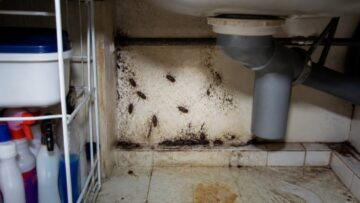
- Where to Look for Roach Droppings in Your Apartment
- Signs of Cockroach Infestation Beyond Droppings
- Health Risks Associated with Roach Droppings
- How to Clean Up Roach Droppings Safely
- How to Get Rid of Roaches in Your Apartment
- Frequently Asked Questions
Last Updated: October 3, 2026
What Roach Droppings Look Like
Learning how to identify roach droppings is the first step toward confirming an infestation in your apartment. The signs are small but unmistakable once you know what to look for. Roach feces look nothing like mouse droppings or other common household pest waste, the shape, size, and placement all differ significantly.
Size and Shape Characteristics
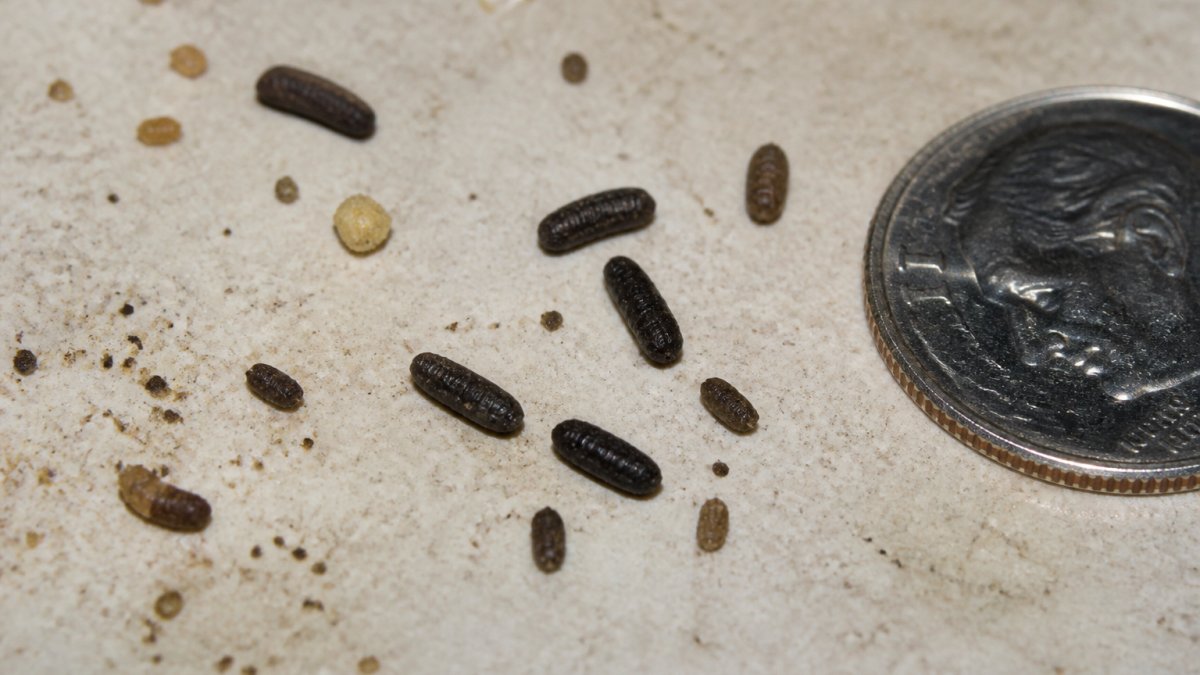
Roach droppings are tiny, typically between 1 to 3 millimeters long. They resemble small grains of ground coffee or black pepper scattered across surfaces.
What makes roach feces distinctive is the ridged texture. You’ll notice tiny grooves running along the length of each pellet.
Color and Texture
Roach droppings are dark brown to black in color. This dark coloration makes them visible on light surfaces but harder to spot on dark flooring or baseboards. The texture is granular and dry to the touch.
The consistency matters too. Roach pellets won’t smear or leave marks when you brush past them. They’re compact waste, not the sticky residue that some pest droppings create. This distinction helps you rule out other pests when you’re uncertain about what you’re seeing.
Difference Between Mouse and Roach Droppings
Telling the difference between roach and mouse droppings prevents misdiagnosis and wrong treatment approaches. Both pests are common in apartments, but they require different elimination strategies. Understanding these differences ensures you address the actual problem in your home.
Size Comparison
Mouse droppings are significantly larger than roach feces. A single mouse dropping measures 3 to 8 millimeters long, roughly two to three times the size of a roach pellet. This size difference is the easiest visual distinction. If you see droppings smaller than a grain of rice, you’re likely looking at roach waste.
Mouse feces also appear in different quantities. Mice produce 50 to 75 droppings per day, while roaches leave scattered pellets in smaller clusters. The volume and distribution pattern differ noticeably between the two pests.
Shape and Ridges
Mouse droppings have pointed or tapered ends, resembling tiny spindles or seeds. Roach droppings have blunt, rounded ends like miniature cylinders. This shape difference is reliable and visible under close inspection. The ridged texture on roach pellets is also finer and more numerous than anything you’d see on mouse waste.
Mouse droppings often appear shiny or glossy. Roach pellets have a dull, matte finish. This surface difference helps confirm what pest you’re dealing with when other clues aren’t clear.
Placement Patterns
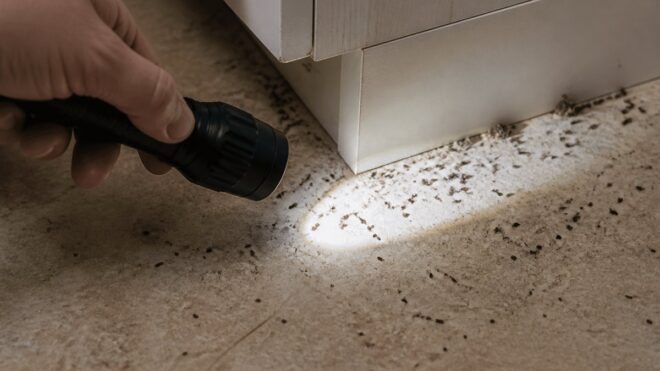
Roaches leave droppings scattered throughout their travel routes and hiding spots. You’ll find them near baseboards, inside cabinets, and along kitchen edges. The pattern is random, following the paths roaches take through your apartment.
Mice deposit droppings in concentrated areas. They tend to leave waste piles near nesting sites or along established runways. Mouse droppings cluster together more than roach feces do. If you see scattered pellets spread across multiple locations, roaches are the likely culprit.
Where to Look for Roach Droppings in Your Apartment
Your ability to identify roach droppings confirms an infestation and helps you understand how severe the problem is. Roaches hide during the day and become active at night. Their droppings accumulate in the spaces where they spend time and travel.
Kitchen Areas
The kitchen is the most common roach gathering spot in apartments. Roaches seek food sources, moisture, and shelter, kitchens provide all three. Check these specific locations for droppings:
- Under and behind the refrigerator
- Inside cabinet hinges and corners
- Along the base of cabinets and under the sink
- Behind the stove and between appliances
- Inside drawers, especially ones storing food or utensils
The dark, tight spaces between cabinets and walls are prime roach territory. Droppings accumulate here because roaches travel these routes multiple times daily. Inspect the grout between tiles and cracks in cabinet seams, roaches deposit waste in these narrow gaps.
Bathroom and Moisture-Prone Spaces
Roaches need water to survive. Bathrooms provide moisture that attracts them. Look for droppings in these areas:
- Around the base of the toilet
- Under the sink and inside cabinet spaces
- Along shower and bathtub edges
- Behind the toilet and in wall gaps
- Inside drain pipes and under faucets
Moisture-prone areas throughout your apartment also attract roaches. Check laundry closets, basement corners, and spaces near water heaters or pipes. Roach droppings in bathrooms indicate an active, established infestation.
Bedrooms and Living Areas
Roaches venture into bedrooms and living spaces searching for food crumbs and hiding spots. Inspect these locations:
- Under beds and along baseboards
- Inside closets and on shelves
- Behind nightstands and dressers
- Along window frames and sills
- Inside furniture joints and crevices
Roaches in sleeping areas are a serious concern. They can bite and contaminate food and surfaces. Finding droppings in bedrooms means the infestation has spread beyond the kitchen and requires immediate attention.
Signs of Cockroach Infestation Beyond Droppings
Roach droppings are one indicator of an infestation, but other signs confirm the problem. Multiple warning signals together mean you have an active cockroach colony that needs professional treatment.
Smear Marks and Sticky Residue
Roaches leave dark smear marks on surfaces as they travel. These marks appear as thin, dark streaks on walls, baseboards, and cabinet edges. The marks come from roach bodies brushing against surfaces and their fecal material. Smear marks are especially visible in high-traffic roach pathways.
Look for sticky residue near roach hiding spots. This residue comes from roach droppings and body secretions. It attracts other roaches through aggregation pheromones, chemical signals that draw the colony together. Sticky residue indicates a concentrated roach population in that area.
Odor and Pheromone Signals
A musty, unpleasant odor signals a large roach infestation. The smell comes from roach feces, dead roaches, and pheromone secretions. This odor becomes noticeable when the colony is substantial. Small infestations may not produce a detectable smell.
Roaches release pheromones that other roaches follow. These chemical signals mark trails to food sources and safe hiding spots. The pheromone scent intensifies as the colony grows. You might notice this smell in cabinets, under sinks, or in other roach hotspots.
Shed Skins and Egg Cases
Roaches shed their exoskeletons as they grow. These shed skins look like hollow roach bodies, brown and papery. You’ll find them near roach hiding spots and along travel routes. Shed skins confirm an active infestation with roaches going through life cycles.
Egg cases, called oothecae, are brown capsules about 8 millimeters long. Roaches deposit these cases in protected spots. Each case contains multiple eggs. Finding egg cases means roaches are reproducing in your apartment. This signals an established colony that requires professional treatment.
Health Risks Associated with Roach Droppings
Roach droppings pose genuine health hazards to apartment residents. The fecal matter contains pathogens, allergens, and disease-carrying organisms.
Roach feces contain bacteria including E. coli and Salmonella (Cockroaches (Ectobius vittiventris) in an Intensive Care Unit, Switzerland – Volume 15…).
Roach droppings contain allergens that trigger respiratory issues. People with asthma experience worsening symptoms when exposed to roach allergens.
The proteins in roach droppings cause allergic reactions in sensitive individuals. Symptoms include itching, swelling, and hives.
Roaches also carry parasites and viruses. Their droppings can transmit these pathogens to humans through contaminated surfaces or food.
How to Clean Up Roach Droppings Safely
Cleaning roach droppings requires proper technique and safety precautions. Improper cleanup spreads pathogens and allergens throughout your apartment. Following correct procedures minimizes health risks and prevents further contamination.
Preparation and Safety Gear
Wear protective equipment before handling roach droppings. Use disposable gloves to prevent direct contact with contaminated material. Wear an N95 or HEPA mask to avoid inhaling roach allergen particles. Eye protection shields your eyes from dust and particles.
Gather cleaning supplies before starting. You’ll need:
- Disposable gloves and mask
- Paper towels or disposable cloths
- Disinfectant spray or bleach solution
- HEPA vacuum cleaner
- Plastic bags for waste disposal
Never use a regular vacuum on roach droppings. Standard vacuums spread allergen particles into the air. A HEPA-filter vacuum traps particles and prevents airborne contamination. This equipment costs more but protects your health.
Cleaning Process
Start by dampening the area with water or disinfectant spray. Wet material prevents particles from becoming airborne.
Use paper towels to wipe up the droppings. Dispose of contaminated towels in a sealed plastic bag.
Apply disinfectant spray to the cleaned area. Let it sit according to product instructions. Wipe again with fresh paper towels.
For large accumulations of droppings, use a HEPA vacuum after the initial cleanup.
Clean surrounding areas that may have roach allergen particles. Wipe cabinet interiors, baseboards, and nearby surfaces.
How to Get Rid of Roaches in Your Apartment
Eliminating roaches requires a multi-step approach. Cleaning alone won’t solve the problem. You need to address the infestation directly through targeted treatment and prevention.
Immediate Steps to Take
Start by removing food sources and water access. Roaches survive on crumbs and moisture. Clean your apartment thoroughly, removing all accessible food debris.
Declutter your apartment to eliminate roach hiding spots. Remove cardboard boxes, newspapers, and unnecessary items. Roaches hide in these materials and use them for nesting.
Seal entry points and cracks where roaches hide. Caulk gaps around pipes, baseboards, and cabinet edges. Use weatherstripping around doors and windows.
Set roach traps to monitor the infestation level. Sticky traps capture roaches and help you identify the extent of the problem.
When to Call a Professional Exterminator
DIY efforts work for minor infestations, but established roach colonies require professional treatment.
Professional exterminators use targeted pesticides that kill roaches on contact and prevent reproduction. They apply treatments to hidden areas you can’t reach.
Call a professional when you see roaches during the day. Daytime roach activity signals a large, established infestation. Professional treatment becomes necessary at this stage.
Signs that you need professional help include:
- Roaches visible during daylight hours
- Droppings found in multiple rooms
- Persistent roach sightings despite cleaning efforts
- Roaches appearing after attempted DIY treatment
- Infestation spreading to neighboring units
We provide flexible service without long-term contracts. Get a quote from Zoifia Pest Control today to address your roach infestation with fast, reliable treatment.
Frequently Asked Questions
What do cockroach droppings look like compared to other household pests?
Cockroach droppings appear as small, dark pellets that resemble ground coffee or black pepper. German cockroaches leave droppings about 1/16 inch long with ridged, rounded ends, while American cockroaches produce larger droppings around 1/8 inch. Unlike mouse droppings, which are pointed at the ends, roach fecal pellets have blunt, uniform shapes. You’ll often find them in clusters near feeding areas, baseboards, and cabinet hinges.
How can I tell the difference between mouse and roach droppings?
Mouse droppings are larger (1/4 inch), rod-shaped with pointed ends. Roach droppings are smaller, darker, rounded at both ends, and often clustered together in specific areas. Roach fecal matter may contain a sticky residue and appear in tight groups near baseboards and drawer tracks. Mouse droppings tend to be found in more open areas like pantries and attics. If you’re uncertain, a professional pest control service can confirm the pest type.
Are roach droppings dangerous to my health?
Yes, roach droppings pose health risks. They contain pathogens and allergens that can trigger allergic reactions and respiratory issues, especially in people with asthma. The fecal matter breaks down into fine particles that become airborne, contaminating surfaces and food preparation areas. Prolonged exposure to roach droppings and the bacteria they carry can cause gastrointestinal problems and infections. This is why safe cleanup and professional extermination are important for your household’s health.
What should I do if I find roach droppings in my apartment?
First, avoid touching the droppings with bare hands. Wear gloves and a mask, then clean the area with a disinfectant or bleach solution. Don’t sweep or vacuum immediately, as this spreads particles into the air; instead, wipe with a damp cloth. Document where you found them and look for additional droppings in baseboards, cabinet hinges, and drawer tracks. If you find droppings in multiple locations, you likely have an active infestation and should contact a professional exterminator promptly.
Finding roach droppings in your apartment confirms a pest problem that demands immediate action. Small infestations caught early respond well to thorough cleaning and prevention. Larger colonies require professional treatment to eliminate completely. Zoifia Pest Control offers fast response times and effective roach elimination backed by our 90-day guarantee. Contact us for a quote and get your apartment pest-free without signing a long-term contract.