Table of Contents
- Why Do I See Roaches in My Apartment During Winter?
- Diapause and Cold Weather Behavior in Cockroaches
- Roach Hiding Spots in Kitchen and Bathroom Areas
- Why Apartment Buildings Are High-Risk Winter Zones
- How to Get Rid of Roaches in Your Apartment
- Apartment Pest Control Responsibilities: Landlord vs. Tenant
- Signs of Winter Infestation and When to Call an Exterminator
- Preventing Winter Roach Infestations Before They Start
Why Roaches Appear in Apartments During Winter
Last Updated: July 4, 2026
When temperatures drop below freezing, most insects die or enter dormancy. Cockroaches don’t. If you’re asking "why do I see roaches in my apartment during winter," you’re not alone, this is one of the most common pest complaints during cold months. The answer reveals a survival strategy that makes winter apartments into perfect roach sanctuaries. At Zoifia Pest Control, we’ve tracked this seasonal shift across hundreds of Boston-area apartments, and the pattern is consistent: roach activity intensifies indoors when outdoor conditions become hostile.
The core problem isn’t that roaches suddenly appear from nowhere. They’re migrating indoors because your heated apartment offers exactly what they need to survive when the outdoor world becomes lethal.
Why Do I See Roaches in My Apartment During Winter?
Indoor heat creates the ideal environment for cockroach survival when outdoor temperatures plummet. Roaches are cold-blooded insects and cannot regulate their own body temperature. Below 45°F, their metabolic processes slow dramatically, and below freezing, they cannot survive for extended periods. Your apartment, heated to 68-72°F, becomes a life-or-death refuge.
As outdoor temperatures drop in November and December, roaches migrate toward heat sources, following pipes, electrical conduits, and gaps in the building envelope directly into your unit. This isn’t random, it’s a calculated survival response driven by temperature gradients. Winter infestations are particularly difficult because roaches are also driven indoors by food scarcity. Your apartment offers both warmth and reliable food, making the kitchen the primary target zone.
Winter infestations often spike in early December and again in late January. The first spike is the initial migration wave. The second occurs when surviving roaches have reproduced, and their offspring actively seek food and warmth. [Early intervention is critical](/how-to-handle-roach-infestation-in-apartment/), waiting until February means fighting an exponentially larger population.
Cold Weather Forces Migration Indoors
German cockroaches, the species most commonly found in apartment buildings, cannot survive outside once outdoor temperatures consistently drop below 50°F. They become sluggish, disoriented, and vulnerable to predation and dehydration. Survival depends entirely on finding heated shelter.
Apartment buildings present an irresistible target. Unlike single-family homes, multifamily buildings have extensive interconnected infrastructure: shared walls, communal plumbing lines, HVAC ducts, and electrical conduits. A roach doesn’t need to enter through a window or door, it can travel through the building’s structural network, moving from the basement through walls into your apartment without ever being exposed to outdoor cold.
The migration pattern is predictable. Roaches begin moving indoors when nighttime temperatures drop below 55°F. In the Boston area, this typically occurs in late October or early November. By December, the migration is in full force. This explains why you might see roaches in winter even if you’ve never seen them before, they’re coming from shared building spaces, not from within your apartment.
Many tenants assume winter roach sightings indicate a dirty apartment. This is incorrect. Even immaculate apartments get roaches during winter because the migration is driven by temperature, not cleanliness. Sanitation helps prevent population growth but doesn’t stop the initial invasion.
Diapause and Cold Weather Behavior in Cockroaches
Below 45°F, cockroaches enter diapause, a dormancy period where their metabolism nearly stops. Heart rate drops, movement becomes minimal, and they consume virtually no food or water. This survival mechanism allows them to wait out cold periods with minimal energy expenditure.
The problem for apartment dwellers is that diapause only occurs outdoors or in unheated spaces. Inside your heated apartment, roaches never enter diapause. They remain fully active, hungry, and reproductive. This is why winter apartments become roach breeding grounds, the insects operate at full metabolic capacity while their natural predators and competitors have disappeared.
Roaches also exhibit behavioral changes in cold weather. They become more aggressive in seeking food and shelter, moving more frantically and taking greater risks. A roach that would normally hide in a wall during summer might venture into your kitchen at night during winter because caloric demand is higher. This increased activity makes winter infestations more noticeable.
The transition back to outdoor living occurs in late spring when nighttime temperatures consistently exceed 55°F. However, roaches that have been breeding indoors all winter leave behind populations in walls and building infrastructure that persist even after the outdoor population reestablishes itself.
Roach Hiding Spots in Kitchen and Bathroom Areas
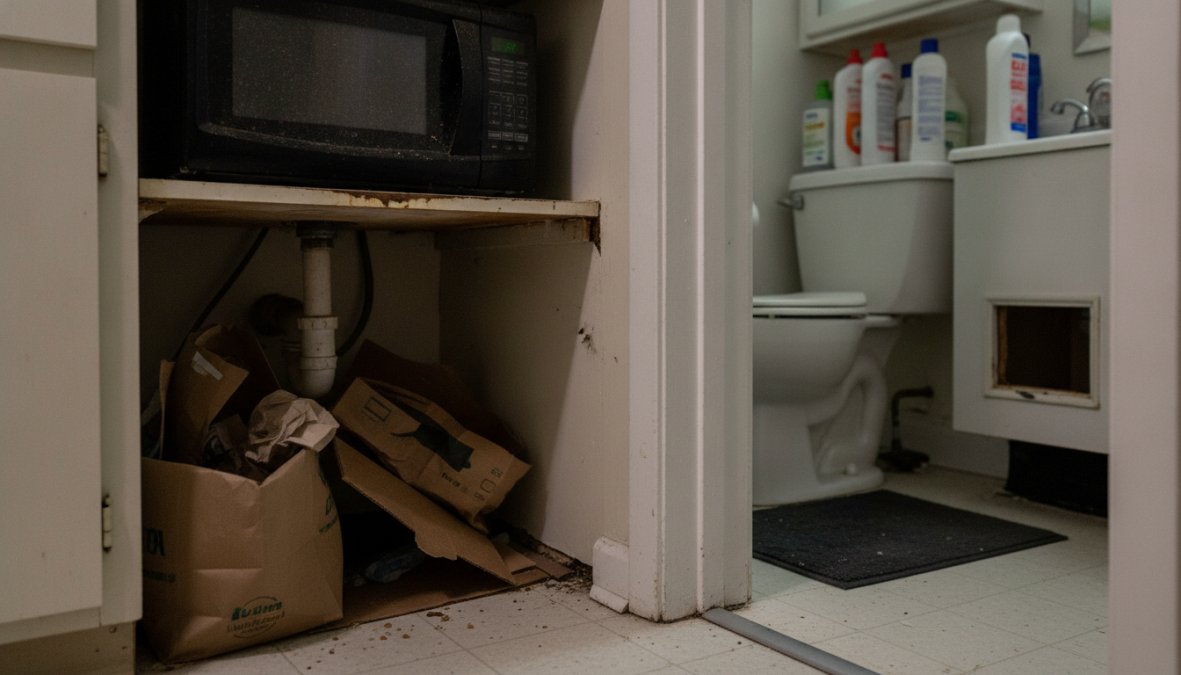
Kitchens are the primary roach habitat because they combine three essential resources: warmth, moisture, and food. Winter amplifies the attraction because kitchens are typically the warmest rooms in the apartment.
The most common hiding spots are behind and under appliances. The space behind your refrigerator, stove, and dishwasher provides both heat and shelter. Roaches access these spaces through gaps at the base of appliances or through holes drilled for plumbing and electrical connections.
Under-sink areas are equally problematic. The cabinet contains pipes that carry warm water, creating a warm microclimate. Roaches exploit gaps where pipes enter the cabinet, using these as highways to move between your unit and shared building spaces.
Baseboards and crown molding are less obvious but equally important. Roaches hide in crevices where baseboards meet walls or floors, particularly near heating vents or radiators where warmth is concentrated. Bathrooms present similar vulnerabilities, they’re warm, humid, and contain gaps around pipes that run through walls to supply water to other units.
Why Apartment Buildings Are High-Risk Winter Zones
Single-family homes can be sealed and treated as isolated units. Apartment buildings cannot. Shared walls, plumbing lines, HVAC systems, and electrical conduits create highways for roach movement. A roach infestation in one unit is functionally an infestation in the entire building unless aggressively managed.
Structural vulnerabilities are numerous. Gaps around pipes where they penetrate walls between units are nearly impossible to seal completely. Steam pipes that run through walls to heat radiators create warm corridors that roaches follow. Electrical outlets on shared walls have gaps behind them where wires enter. Older buildings are particularly vulnerable, pre-1980s construction typically has larger gaps, less insulation, and more direct connections between units.
The Neighbor Effect: Shared Vulnerability
Your roach problem isn’t just your problem. If your neighbor has an infestation and you share a wall, you’re at high risk of roaches migrating into your unit regardless of how clean you keep your space. Roaches move between units through shared walls, following temperature gradients and food odors. Without building-wide coordination, treating individual units is largely ineffective.
This creates a legal problem. Tenants often assume they’re responsible for their own infestation, but if the infestation comes from shared building spaces or neighboring units, the landlord bears responsibility for building-wide treatment.
Structural Gaps and Steam Pipe Networks
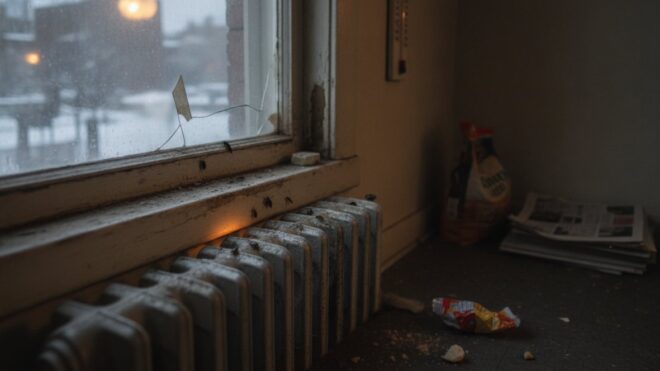
Steam heating systems, common in older Boston-area buildings, create ideal roach highways. Steam pipes run through walls to radiators in each unit, creating warm zones where roaches congregate and use pipes as navigation markers to find food sources.
Gaps where steam pipes enter units are rarely sealed properly. Roaches can squeeze through gaps as narrow as a credit card. Over time, caulk cracks and deteriorates, enlarging gaps further.
Water supply lines present similar problems. Roaches are attracted to warm spots and use them as shelter and navigation points. The building’s basement is typically the epicenter of winter roach activity, it’s warm, humid, and often contains food sources. Roaches congregate there, then move upward through walls and pipes as populations grow.
How to Get Rid of Roaches in Your Apartment
If you’re already seeing roaches, immediate action is necessary. The population doubles every 3-4 weeks under ideal conditions.
Immediate Removal and Sanitation Steps
Eliminate food sources and shelter. Remove all food from countertops and seal it in airtight containers. Clean under and behind appliances, removing food debris and grease buildup. Declutter your apartment, roaches hide in piles of paper, cardboard, and clothing. Store remaining items in sealed plastic containers.
Seal obvious gaps and cracks using caulk where pipes enter your unit, where baseboards meet walls, and where electrical outlets protrude. Fix plumbing leaks immediately, roaches need water, and a dripping pipe provides both water and moisture that attracts them.
Sanitation is a supporting tactic, not a primary solution for winter roach infestations. Even the cleanest apartment will have roaches if they’re migrating in from shared building spaces. Professional treatment is almost always necessary.
Non-Toxic Winter Prevention Strategies
Diatomaceous earth (food-grade only) damages the exoskeleton of roaches, causing dehydration. Sprinkle it in areas where roaches hide and reapply after cleaning. It’s safe for humans and pets but requires consistent application and works slowly.
Gel baits are commercially available and moderately effective. They contain attractants and slow-acting insecticides. Roaches eat the bait and return to their harborages, where the insecticide takes effect. However, gel baits are less effective against established infestations and won’t address roaches migrating from shared building spaces.
The reality is that non-toxic approaches work best as prevention or supplements to professional treatment. For an active winter infestation, professional pest control is almost always necessary.
Apartment Pest Control Responsibilities: Landlord vs. Tenant
In Massachusetts, landlords are required to maintain apartments in "habitable" condition, which includes being free from pest infestations. If roaches are present due to building-wide structural issues, shared wall gaps, steam pipe vulnerabilities, or basement infestations, the landlord is legally responsible for treatment and structural repairs.
Tenants are responsible for maintaining sanitary conditions within their unit. However, this doesn’t absolve the landlord of responsibility for building-wide treatment and structural remediation.
Document the infestation with photographs and dates of sightings, then notify your landlord in writing. Request building-wide inspection and treatment. If the landlord refuses or delays, contact your local board of health or tenant rights organization for guidance on your legal options.
Signs of Winter Infestation and When to Call an Exterminator
Early detection is critical. Multiple roach sightings over a few days suggests an established population.
Signs of infestation include roach droppings (small, dark specks resembling ground coffee), a musty odor in areas where roaches congregate, and egg cases (oothecae) that are brown and roughly the size of a grain of rice. Seeing roaches during the day typically indicates a large population where hiding spaces are saturated.
Call a professional exterminator if you see more than one roach over a week, if you find droppings or egg cases, or if you’ve attempted non-toxic methods for two weeks without improvement. Winter infestations escalate rapidly, and professional treatment becomes exponentially more difficult the longer you wait.
Preventing Winter Roach Infestations Before They Start
Prevention is far more effective than treatment. Seal gaps where pipes and cables enter your unit using caulk or expanding foam. Pay particular attention to areas where water supply lines, drain pipes, and electrical conduits penetrate walls.
Reduce humidity in your apartment by using exhaust fans in bathrooms and kitchens when showering or cooking. Fix any plumbing leaks immediately. Ensure that all windows and doors seal properly with weather stripping and door sweeps.
Remove potential food sources by storing all food in sealed containers and cleaning up spills immediately. Don’t leave pet food out overnight. Declutter your apartment and keep items organized in sealed plastic containers.
An integrated pest management approach combines these preventive measures with professional monitoring. The most effective winter prevention strategy is to address building-wide vulnerabilities in coordination with your landlord and neighbors. Building-wide treatment, combined with structural repairs and ongoing monitoring, is what actually stops winter roach infestations.
Winter roach infestations are a seasonal reality in apartment buildings, but they’re not inevitable. Understanding why roaches migrate indoors during cold months gives you the knowledge to act quickly and effectively. If you’re seeing roaches despite preventive efforts, professional treatment is your most reliable option. Zoifia Pest Control specializes in apartment roach elimination, using targeted treatments that address both your unit and building-wide vulnerabilities. With our licensed, insured technicians and 90-day guarantee, you can reclaim your apartment without long-term contracts or extended disruption.
Frequently Asked Questions
Why do I suddenly see roaches in my apartment during winter?
Roaches move indoors during winter to escape freezing temperatures and find warmth from your apartment's heating system, radiators, and steam pipes. Indoor heat maintains the 68-75°F range they need to survive and reproduce. As outdoor temperatures drop below 45°F, cockroach activity slows dramatically, forcing populations to seek shelter inside heated buildings. Apartments are particularly attractive because they offer consistent warmth, humidity, and access to food sources year-round.
Where do roaches hide in apartments during winter?
German cockroaches prefer warm, humid hiding spots near food and water sources. In winter apartments, they congregate around kitchen baseboards, under sinks, inside cabinet gaps, behind appliances, and in bathroom plumbing zones. They also hide behind wall outlets, inside electrical conduits, and along radiator pipes where heat is concentrated. Clutter and structural gaps in older apartment buildings provide additional shelter, making thorough inspection of these areas essential for early detection.
Can cold weather kill roaches in an apartment?
Outdoor cold can kill roaches, but heated apartments prevent this. Temperatures below 32°F are lethal to cockroaches, but indoor heating systems maintain survival conditions. This is why winter infestations worsen in apartments, roaches cannot die from cold indoors. However, diapause (a dormant state) slows their metabolism and reproduction in temperatures below 55°F. Once indoors near warm radiators and steam pipes, roaches remain fully active and breeding, making winter prevention critical.
Who is responsible for roach pest control in apartments, landlord or tenant?
Landlord responsibilities typically include maintaining the building's structural integrity, sealing entry points, and addressing shared spaces like walls, pipes, and common areas. Tenants are usually responsible for sanitation, clutter removal, and reporting infestations promptly. However, laws vary by location. In Massachusetts, landlords must provide 'habitable' housing, which includes pest-free conditions. Check your lease and local tenant rights; many jurisdictions require landlords to cover exterminator costs for infestations beyond tenant control, especially in multi-unit buildings where the 'Neighbor Effect' spreads problems.
This article was written using GrandRanker
