Table of Contents
- What German Cockroach Health Risks Actually Mean for Homeowners
- Can Cockroaches Make You Sick? Separating Proven Disease Transmission From Contamination
- Cockroach Droppings Health Risks and Other Debris in Your Home
- German Cockroach Allergens and Asthma: Who Is Most at Risk
- How to Get Rid of German Cockroaches and Reduce Exposure Safely
- When to Call a Licensed Pest Control Professional
- Frequently Asked Questions
Last Updated: October 20, 2026
What German Cockroach Health Risks Actually Mean for Homeowners
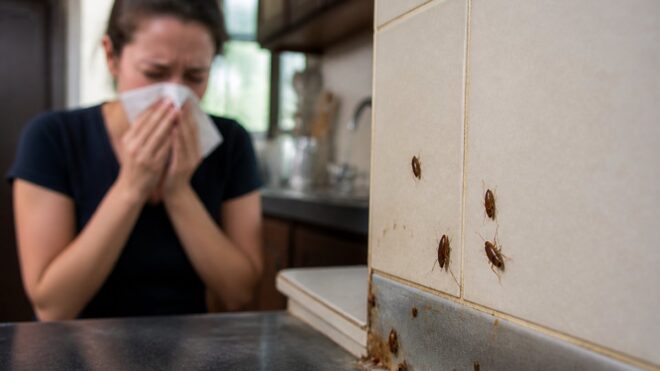
German cockroach health risks for homeowners come down to three things: bacteria they carry onto food and surfaces, allergens shed in their droppings and body parts, and the asthma and allergy symptoms those allergens can trigger indoors. That proximity is what turns a cockroach infestation into a genuine health concern rather than just an unpleasant sight.
Below, we break down what the evidence actually supports, where contamination is possible versus proven, and how to reduce exposure safely.
The most underrated German cockroach health risk isn’t food poisoning. It’s allergen exposure, especially for children and people with asthma living in older housing.
Can Cockroaches Make You Sick? Separating Proven Disease Transmission From Contamination
Cockroaches can make you sick, but the honest answer is more nuanced than most pest control pages admit. The strongest evidence links cockroaches to allergic disease and asthma. The link to foodborne illness is real but largely indirect: roaches carry pathogens on their bodies and deposit them on food and surfaces, and that contamination is a plausible transmission route rather than a documented outbreak source in most homes.
What the Evidence Actually Supports
Public-health agencies such as the Centers for Disease Control and Prevention (CDC) and the World Health Organization describe cockroaches as mechanical vectors, meaning they can carry bacteria on their legs and bodies and deposit them on surfaces. What the evidence does not show is roaches biting people or injecting pathogens the way mosquitoes do. There is no credible body of research showing that a single cockroach sighting causes illness.
Bacteria German Cockroaches Carry
German cockroaches are known carriers of Salmonella, E. coli, and other pathogens that cause food poisoning. They pick these up from garbage, drains, and decaying matter, then track them across kitchen surfaces, utensils, and uncovered food. The bacteria don’t make the roach sick; the roach is a mechanical vector, a taxi for microorganisms. Research from university extension programs has also recovered Staphylococcus and Streptococcus species from cockroach body surfaces, which is one reason food-safety guidance treats any roach activity near food prep as a contamination event rather than a cosmetic issue.
How Contaminants Reach Your Food and Surfaces
Contamination spreads through a predictable path. Roaches forage at night across countertops, inside cabinets, and over dishes left in the sink, depositing bacteria and fecal matter as they move. The CDC guidance on cockroach control and disease notes that roaches can trigger illness through contaminated food and surfaces, which is why keeping food sealed and surfaces wiped matters more than most homeowners realize.
Homeowner Exposure Pathways, Room by Room
Risk is not uniform across a home. The table below maps where exposure actually happens and what drives it.
| Area | Primary exposure route | What raises risk |
|---|---|---|
| Kitchen counters and cutting boards | Bacteria and feces deposited on food-contact surfaces | Uncovered food, dishes left overnight, crumbs and grease film |
| Low cabinets and utensil drawers | Roaches harboring among stored items; fecal specks on utensils | Storing clean dishes in the same cabinet as harborage |
| Under-sink and behind-appliance voids | Allergen-laden dust from droppings and shed skins | Moisture leaks, clutter, cardboard storage |
| Bathrooms | Roaches moving between drains and vanity cabinets; allergens in dust | Poor ventilation, standing water, shared walls |
| Pantry and dry-food storage | Contamination of opened boxes, flour, cereal, pet food | Cardboard packaging, rolled-down bags, unsealed containers |
| Bedrooms (in heavy infestations) | Airborne allergens settling in bedding and carpet | Adjacent harborage, carpet, upholstered furniture |
Two factors amplify every pathway: infestation severity and household conditions. A light infestation confined to one kitchen cabinet is a very different exposure profile from a multi-room infestation in an older building with shared walls, carpet, and moisture problems. Households with young children, older adults, or anyone with asthma sit at the higher end of that risk curve because their exposure tolerance is lower, not because the roaches behave differently.
Where Contamination Is Possible Versus Proven
It helps to sort claims into three buckets. Proven: cockroach allergens trigger asthma and allergic symptoms in sensitized people, and roaches carry pathogens on their bodies. Plausible but not well documented in homes: roach contamination of food leading to a specific gastrointestinal illness in a specific person, which is difficult to trace and rarely confirmed. Overstated: claims that cockroaches routinely transmit serious diseases directly to homeowners.
Cockroach Droppings Health Risks and Other Debris in Your Home
Cockroach droppings health risks extend well beyond what you can see. The debris a German cockroach infestation leaves behind, feces, shed skins from molting nymphs, egg casings, and dead body parts, breaks down into fine particles that become airborne.
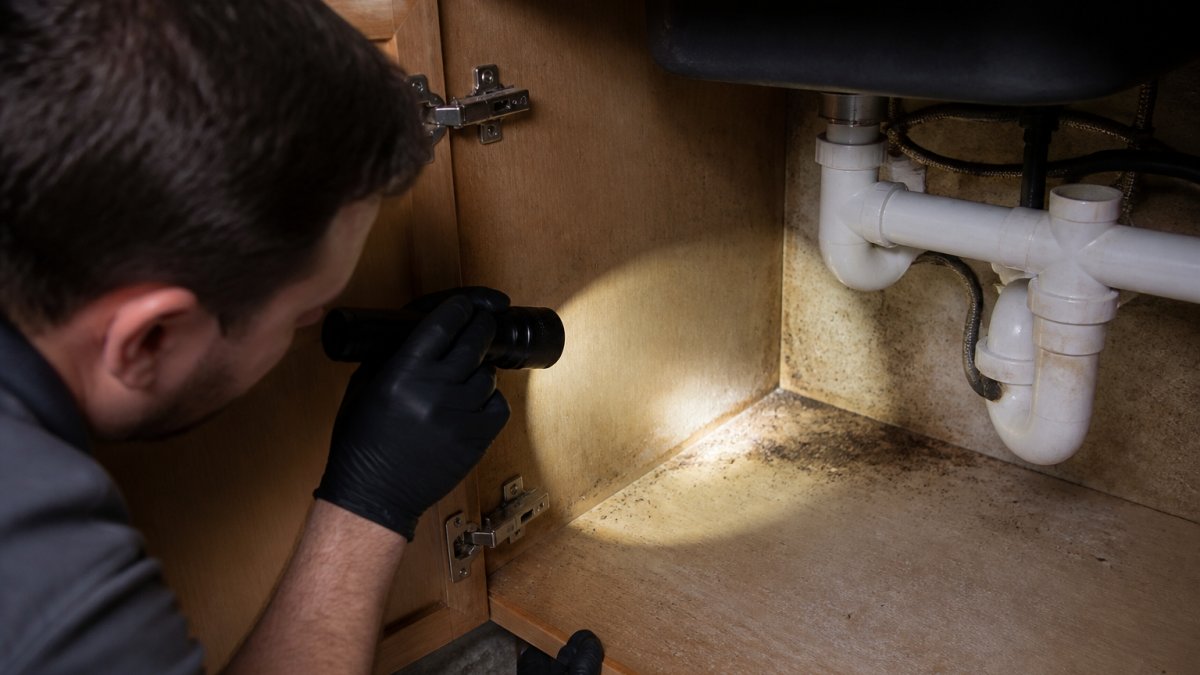
Droppings look like small dark specks, similar to coffee grounds or black pepper, concentrated near harborage points: cabinet hinges, behind the refrigerator, under the sink.
German Cockroach Allergens and Asthma: Who Is Most at Risk
German cockroach allergens and asthma are tightly connected, and this is where the health evidence is strongest. Cockroach allergens are among the most significant indoor asthma triggers in urban and older housing, and sensitivity to them is common in children with asthma. The allergens come from saliva, feces, and shed body parts, and they accumulate in dust, especially in kitchens and bathrooms.
Why the Allergen Risk Outweighs the Infection Risk
Allergens are proteins, and the immune system of a sensitized person reacts to them whether the roach is alive or dead. That is why dead roaches, shed skins, and old droppings still matter after treatment: the allergen load persists in dust until it is physically removed. A common pattern in older housing is a child whose asthma improves during a hospital stay or vacation and worsens again at home, with cockroach allergen in bedroom and kitchen dust as one of the suspected drivers.
Symptoms to Watch For in Children and Sensitive Adults
Symptoms include wheezing, coughing, chest tightness, shortness of breath, and allergic reactions such as skin rash, sneezing, and itchy, watery eyes. In children, repeated nighttime coughing or worsened asthma in a home with an active infestation deserves attention.
It helps to separate the two presentations:
- Allergic rhinitis and skin reactions: sneezing, runny or congested nose, itchy watery eyes, eczema flare-ups, or hives. These often appear within minutes to hours of exposure to allergen-laden dust and tend to ease when the person leaves the environment.
- Asthma: wheezing, chest tightness, shortness of breath, and a dry cough, especially at night or after cleaning, vacuuming, or disturbing dust. Symptoms may build over days of continuous exposure rather than appearing immediately.
- Possible gastrointestinal illness from contaminated food or surfaces: nausea, stomach cramps, vomiting, or diarrhea. These are not allergen symptoms and should be evaluated on their own timeline.
Symptom Timelines and When to See a Clinician
Timelines are approximate and vary by person, but they help you decide what to do:
- Minutes to hours after exposure: sneezing, itchy eyes, rash, or acute asthma symptoms after cleaning a harborage area or disturbing dust. Move the person to fresh air, follow their asthma action plan if they have one, and seek urgent care for trouble breathing that does not respond to rescue medication.
- Days to weeks of ongoing exposure: persistent nighttime cough, worsening asthma control, or recurring eczema in a home with an active infestation. This warrants a call to the person’s clinician, who may recommend allergy testing and an asthma review.
- Any suspected foodborne illness: diarrhea, vomiting, or fever after eating food possibly exposed to roaches. Most cases resolve with hydration, but seek medical care for blood in the stool, high fever, signs of dehydration, or symptoms lasting more than a few days.
For higher-risk household members, the cautious approach is to monitor symptoms alongside the infestation timeline. If asthma symptoms increase while roach activity is present and improve after professional treatment and cleaning, that pattern is worth reporting to a clinician. This article explains what the markers generally mean, not a diagnosis.
Practical Steps for Higher-Risk Households
While treatment is underway, reduce allergen exposure with a few targeted habits: damp-wipe kitchen and bathroom surfaces rather than dry-sweeping, vacuum with a HEPA filter and a mask if you are sensitive, wash bedding in hot water weekly in affected rooms, and keep children’s sleeping areas free of clutter and stored cardboard. People with asthma should stay out of the room during cleanup and for a short period afterward.
How to Get Rid of German Cockroaches and Reduce Exposure Safely
Getting rid of German cockroaches means combining sanitation, moisture control, and targeted treatment, because this species breeds fast and hides deep. Start with the exposure side: seal food in containers, fix leaks, clear clutter near harborage points, and damp-clean droppings and debris. Then move to treatment. German cockroaches are notoriously resistant to over-the-counter sprays and foggers, which often scatter the population rather than eliminate it.
What to Do After Suspected Food or Surface Contamination
If you suspect a surface or food was contaminated, discard exposed food rather than trying to salvage it. Wash hard surfaces, utensils, and cutting boards with hot soapy water, and clean cabinet interiors where roaches have been active. Wash your hands after handling anything near harborage areas.
Bug bombs and foggers are the most common homeowner mistake with German cockroaches. They rarely kill the colony, can spread roaches into new rooms, and leave allergen-laden dust airborne. Skip them.
When to Call a Licensed Pest Control Professional
Call a licensed professional when you see roaches during the day, find droppings in multiple rooms, or have an infestation in a multi-unit building, because German cockroaches move between units through shared walls. For homeowners in older housing stock, where infestations run deep and recur, professional treatment is the practical choice. Zoifia Pest Control provides licensed and insured service with a 90-day guarantee and no long-term contract, so a single treatment or a recurring plan both work.
Frequently Asked Questions
How bad is it to have German roaches in your house?
A German cockroach infestation is more than a nuisance. These roaches breed quickly, with females producing multiple egg cases in a lifetime, so a small sighting often signals a larger population behind cabinets and appliances. The bigger concern is cumulative exposure: droppings, shed skins, and body parts build up in kitchens and bathrooms, and that debris carries allergens and bacteria. The longer an infestation goes untreated, the more debris accumulates in food preparation areas, which raises both contamination and respiratory risk for everyone in the home.
Can German cockroaches trigger allergies or asthma?
Yes. German cockroach allergens and asthma symptoms are well documented in the research literature. Proteins in cockroach saliva, droppings, shed skins, and body parts become airborne as debris dries and breaks down, and inhaling them can trigger allergic reactions and asthma attacks, particularly in children and people with existing respiratory conditions. Symptoms include sneezing, runny nose, skin rash, coughing, and wheezing. Reducing allergen exposure means removing the infestation and thoroughly cleaning the debris it leaves behind, not just killing visible roaches.
How can homeowners reduce health risks from German cockroaches?
Start by removing what roaches need: store food in sealed containers, fix leaks, wipe down kitchen surfaces nightly, and clear clutter where they hide. Seal cracks around cabinets, baseboards, and pipe penetrations. Wear gloves and a mask when cleaning droppings or debris, and use a HEPA vacuum where possible. If you see roaches during the day, find droppings in multiple rooms, or notice a musty odor, the infestation is likely established and a licensed professional can treat harborage areas that sprays and bait stations placed by homeowners often miss.
When should you call a pest control professional for German roaches?
Call a professional when you see roaches during daylight, find droppings or egg cases in more than one room, or when DIY bait and traps have not reduced activity within a few weeks. German cockroaches hide in wall voids, appliance motors, and cabinet hinges that are hard to reach without proper equipment. A licensed technician can identify harborage points, apply targeted treatments, and set up a follow-up plan. If anyone in the home has asthma or allergies, professional removal plus debris cleanup is the safer route.
German cockroaches are manageable, but the health risks, especially allergen and asthma exposure, are real and often underestimated. If you’re seeing roaches, droppings, or shedding, don’t wait for the infestation to grow. Get started with Zoifia Pest Control and get a fast, licensed inspection backed by our 90-day guarantee, with no contract required. Get a quote today.
