Table of Contents
- Identifying Bed Bug Signs Before Treatment
- How to Get Rid of Bed Bugs in Mattress Permanently: Heat Treatment Methods
- Best Bed Bug Killer for Mattress: Chemical vs. Non-Toxic Options
- Bed Bug Mattress Encasement Effectiveness: Protection and Monitoring
- How Long Does It Take to Get Rid of Bed Bugs: Timeline and Recovery
- When to Call a Professional for Bed Bugs
- When to Discard vs. Treat Your Mattress: Making the Right Decision
- Common Mistakes to Avoid When Treating Bed Bugs in Your Mattress
Last Updated: June 19, 2026
Bed bugs are one of the most resilient household pests, and knowing how to get rid of bed bugs in mattress permanently is the difference between one sleepless week and a months-long nightmare. Zoifia Pest Control has helped hundreds of Metro Boston homeowners break the infestation cycle for good. Most people treat the visible problem and miss the hidden one: bed bugs don’t live exclusively in your mattress. They hide in the bed frame, headboard, baseboards, and electrical outlets. Treating only the mattress is why so many people deal with re-infestation within weeks.
Identifying Bed Bug Signs Before Treatment
Accurate identification is the foundation of any successful extermination plan. Treating blindly wastes time, money, and exposes your home to unnecessary chemicals.
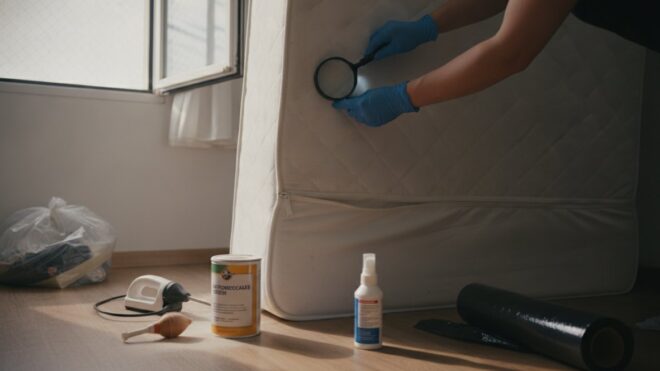
What to look for in seams and piping
Bed bugs are flat, oval-shaped insects roughly the size of an apple seed. Strip the bedding entirely and run your fingers along every seam. You’re looking for:
- Dark reddish-brown staining (fecal matter left after feeding)
- Shed exoskeletons, which look like translucent, hollow shells
- Live bugs, which move slowly and are visible to the naked eye
- A faint, musty odor in heavily infested areas
Check the box spring with equal attention. Many infestations are centered there rather than the mattress itself.
Do NOT use a flashlight and assume a clean result means no infestation. Bed bugs avoid light and retreat into cracks within seconds. Use a thin card or stiff piece of paper to drag along seams and force them into the open.
Spotting nymphs and eggs
Nymphs are juvenile bed bugs and far harder to spot than adults. Freshly hatched nymphs are nearly translucent and roughly the size of a poppy seed. Eggs are white, about 1mm long, and laid in clusters near the sleeping area. A single female can lay hundreds of eggs over her lifetime, which is why early detection is critical. According to EPA guidance on bed bug identification and control, bed bug eggs hatch in about six to ten days under optimal conditions, meaning a small infestation can become severe within weeks if left untreated.
Missing nymphs and eggs is the number one reason DIY treatments fail.
How to Get Rid of Bed Bugs in Mattress Permanently: Heat Treatment Methods
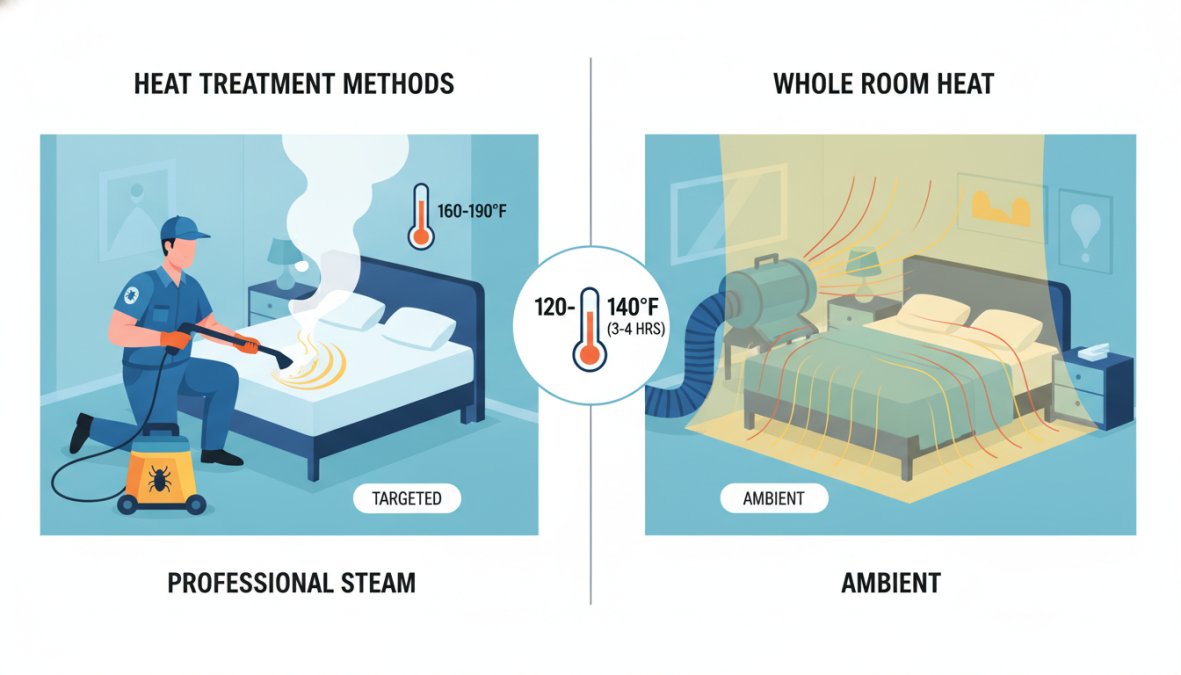
Heat is the most reliable non-chemical method for killing bed bugs at every life stage, including eggs. Bed bugs die when exposed to temperatures above 120°F (49°C) for a sustained period.
 technician in uniform kneeling beside a bed in a residential bedroom, directing a professional-grade steam cleaner nozzle slowly along the mattress surface, with visible steam rising in the warm indoor lighting](https://cdn.grandranker.com/articles/how-to-get-rid-of-bed-bugs-in-mattress-permanently-content-1-1781832933.jpg)
Using a steam cleaner on mattress surfaces
A steam cleaner is one of the most effective tools a homeowner can use. Your steamer must reach at least 160-180°F at the nozzle tip, and you must move it slowly, roughly one inch per second, to allow heat to penetrate the fabric.
Focus on:
- All seams and piping along the mattress perimeter
- The top and bottom surfaces in overlapping passes
- The box spring, paying attention to the fabric underside
- The bed frame joints and any slats where bugs can hide
A common mistake is rushing the process. Moving too fast means the surface heats but the interior doesn’t reach lethal temperature.
After steaming, allow the mattress to dry completely before covering it. Moisture trapped under a mattress encasement creates mold.
Professional heat treatment for whole-home elimination
For moderate to severe infestations, whole-room heat treatment is the gold standard. Professional pest control technicians bring industrial heating equipment that raises an entire room to 130-145°F for several hours, killing bed bugs in walls, furniture, and flooring, not just the mattress. This eliminates the need to treat each hiding spot individually. The limitation is cost and logistics: furniture must be prepared, heat-sensitive items removed, and the process takes most of a day.
Best Bed Bug Killer for Mattress: Chemical vs. Non-Toxic Options
The choice between chemical and non-chemical control comes down to infestation severity, household composition, and how quickly you need results. The most effective programs combine both.
EPA-registered residual insecticides
EPA-registered residual insecticides are the backbone of professional bed bug treatment. These products remain active on treated surfaces for weeks, killing bugs that emerge after the initial application. Common active ingredients include pyrethroids, pyrethrins, and desiccants.
Bed bugs in many regions have developed resistance to pyrethroid-based products. If you’ve treated before with an over-the-counter spray and seen limited results, resistance is a likely factor. According to CDC information on bed bug pesticide resistance, resistance to common insecticides is well-documented and is one reason professional-grade rotation protocols are recommended.
Residual insecticides should never be applied directly to mattress sleeping surfaces. They belong on the bed frame, baseboards, cracks and crevices in walls, and the underside of the box spring.
Diatomaceous earth and eco-friendly alternatives
Diatomaceous earth (DE) is a non-toxic, food-grade powder derived from fossilized algae. It works mechanically: the microscopic sharp edges damage the bed bug’s exoskeleton, causing dehydration and death. DE cannot be resisted the way chemical insecticides can.
Apply a thin, barely visible layer along baseboards, inside the bed frame, and around the room perimeter. Other non-toxic approaches include clutter reduction, laundry on high heat, and encasements. The honest limitation: non-toxic methods work slowly. For active infestations, pairing non-toxic methods with targeted chemical treatment produces faster, more reliable results.
Bed Bug Mattress Encasement Effectiveness: Protection and Monitoring
Mattress encasements are one of the most underrated tools in bed bug management. A bed bug encasement is a zippered mattress cover that completely seals the mattress, trapping any bugs inside and preventing new bugs from establishing a colony within the mattress itself. Bugs trapped inside cannot feed and eventually die, typically within a year.
For an encasement to work, it must:
- Be specifically labeled for bed bugs
- Zip completely closed with a bite-proof zipper
- Cover both the mattress and the box spring separately
- Remain in place for at least 12-18 months
Encasements don’t eliminate an existing infestation on their own. They’re most effective when combined with heat treatment or chemical control, then left in place long-term to prevent re-infestation.
Using sticky traps for post-treatment monitoring
Sticky traps and passive monitors placed under bed legs are the most reliable way to detect re-infestation early. Check monitors weekly for the first three months after treatment. A single bug caught doesn’t necessarily mean treatment failed. Two or more bugs caught within a week warrants retreatment.
How Long Does It Take to Get Rid of Bed Bugs: Timeline and Recovery
For most residential infestations treated professionally, expect a minimum of two to four weeks for the active infestation to be controlled, with monitoring continuing for three to six months afterward.
Post-treatment monitoring timeline
| Timeframe | What to Do | What to Watch For |
|---|---|---|
| Week 1-2 | Check sticky traps daily | Live bugs, new bites |
| Week 3-4 | Check traps every 2-3 days | Reduced activity expected |
| Month 2-3 | Weekly trap checks | Any new captures |
| Month 4-6 | Bi-weekly checks | Confirmation of elimination |
| Month 6+ | Monthly inspection | Long-term prevention |
Treatment is not a single event but an ongoing process. The goal of post-treatment monitoring is to catch any surviving eggs that hatch after the initial treatment before they can reproduce.
Preventing re-infestation through integrated pest management
Re-infestation is the most frustrating outcome after successful treatment. The most common sources are travel, secondhand furniture, and visitors’ belongings. Practical prevention steps include keeping encasements on indefinitely, inspecting luggage after travel, avoiding placement of bags on hotel beds, and never bringing secondhand mattresses or upholstered furniture indoors without thorough inspection.
When to Call a Professional for Bed Bugs
Professional extermination produces significantly higher success rates than DIY approaches, particularly for established infestations.
Signs your infestation requires professional extermination
Call a professional when you’ve treated once and the infestation returned, bites are appearing in multiple rooms, you find bed bugs in furniture or walls beyond the bedroom, the infestation involves a multi-unit building, or household members have severe allergic reactions to bites.
What to expect from pest control professionals
A licensed pest control professional will conduct a thorough inspection before recommending a treatment protocol. They’ll identify all harborage points and develop a plan that may combine heat treatment, EPA-registered insecticides, and monitoring. At Zoifia Pest Control, our licensed and insured team serves the Metro Boston area with fast response and a 90-day guarantee. That guarantee means if bed bugs return within 90 days of treatment, we come back. According to National Pest Management Association bed bug resources, professional treatment combined with proper preparation by the homeowner produces the best outcomes.
When to Discard vs. Treat Your Mattress: Making the Right Decision
Discarding a mattress is not always necessary, and in some cases it actively makes things worse.
Disposal logistics and legal regulations
Discarding a heavily infested mattress without proper precautions spreads the infestation. Before moving a mattress out of the home, seal it completely in a mattress bag designed for disposal and label it clearly with "BED BUGS." Many municipalities have specific rules about mattress disposal, including designated pickup days and requirements against leaving mattresses at the curb without proper containment.
Psychological impact and sleep hygiene recovery
Many people who’ve dealt with a severe infestation experience anxiety, insomnia, and a persistent sense of contamination long after the bugs are gone. Recovery means rebuilding confidence in your sleep environment. Replace bedding with new materials after confirmed elimination, establish a consistent nightly inspection routine, and recognize that a few weeks of anxiety after an infestation is normal. A new mattress encasement on a clean mattress, combined with confirmed elimination and a structured monitoring routine, gives most people the concrete evidence they need to sleep again without anxiety.
Common Mistakes to Avoid When Treating Bed Bugs in Your Mattress
Treating only the mattress. Bed bugs use the mattress as a feeding station, not a home. Their harborage points are in the bed frame, headboard, baseboards, and nearby furniture.
Discarding the mattress without treating the room. A new mattress placed in an untreated room will be infested within days.
Using too much diatomaceous earth. Thick visible piles are avoided by bugs. A light, barely visible dusting is far more effective.
Stopping treatment after bites stop. Surviving eggs will hatch. Continue the monitoring and treatment protocol for the full recommended period.
Moving furniture or sleeping in another room. This disperses the infestation throughout the home.
Skipping the box spring. The box spring is often more heavily infested than the mattress itself.
According to University of Minnesota Extension bed bug control guidance, preparation before treatment, including decluttering, laundering, and sealing cracks, is one of the most significant factors in treatment success. Bed bug elimination requires treating the entire environment, not just the most visible symptom.
Frequently Asked Questions
Can you ever truly get rid of bed bugs in a mattress permanently?
Yes, bed bugs can be permanently eliminated from a mattress through a combination of methods including heat treatment, chemical treatment with EPA-registered insecticides, and protective mattress encasements. Success requires thorough treatment of the entire mattress, seams, piping, and crevices, plus monitoring over 90 days to confirm no re-infestation occurs. Many infestations require professional pest control to ensure complete elimination of all life stages, including eggs and nymphs.
What is the best bed bug killer for mattress treatment?
The most effective approach combines multiple methods rather than relying on a single killer. Heat treatment at 118°F or higher kills all life stages instantly. For chemical options, EPA-registered residual insecticides designed for bed bugs are highly effective. Non-toxic alternatives like food-grade diatomaceous earth work by dehydrating insects but require longer exposure time. Professional-grade treatments typically outperform DIY options, especially for heavy infestations affecting the box spring, bed frame, and headboard.
How long does it take to get rid of bed bugs from a mattress?
Initial treatment can kill visible bed bugs within hours using heat or chemicals, but complete elimination typically takes 2-4 weeks. This timeline accounts for eggs hatching into nymphs that may not be killed by initial treatment. Post-treatment monitoring with sticky traps should continue for at least 90 days to confirm no re-infestation. Integrated pest management, combining vacuuming, encasements, and monitoring, ensures lasting results and prevents the life cycle from restarting.
Is a bed bug mattress encasement effective at preventing re-infestation?
Yes, protective mattress encasements are highly effective when used as part of a comprehensive strategy. They trap existing bed bugs inside the cover, preventing escape and starving them over time (typically 12 months). Encasements also prevent new bed bugs from infesting the mattress. For maximum effectiveness, encasements must be installed after initial treatment and monitored with sticky traps placed around the bed frame. They work best when combined with clutter reduction, regular vacuuming of seams and crevices, and high-heat laundry of bedding.
A bed bug infestation is one of the most disruptive pest problems a homeowner can face, and half-measures rarely produce permanent results. Zoifia Pest Control provides licensed and insured bed bug treatment backed by a 90-day guarantee, with fast response times and no long-term contracts required. Get a quote from Zoifia Pest Control and get back to sleeping without checking the sheets every night.
This article was written using GrandRanker
