Table of Contents
- Do Roaches Live in Apartment Appliances?
- Why Roaches Are Attracted to Appliances
- Common Appliances Where Roaches Hide
- Signs of Roaches in Your Refrigerator and Other Kitchen Appliances
- How to Get Rid of Roaches in Electronics Safely
- When to Call Professional Roach Extermination Services
- Preventing Roaches in Appliances Long-Term
- Frequently Asked Questions
Last Updated: October 1, 2026
Do Roaches Live in Apartment Appliances?
The answer to whether do roaches live in apartment appliances is yes, they’re attracted to warmth, moisture, and food residue. German cockroaches and other species are attracted to the warmth, moisture, and food residue that appliances provide. They hide in cracks, crevices, and tight spaces inside refrigerators, dishwashers, ovens, microwaves, and under sinks. Once they establish a harborage in your appliances, they breed rapidly and become difficult to eliminate without professional help.
Roaches contaminate food, spread bacteria, and multiply rapidly, the problem is especially severe in older buildings where appliances have more gaps and deteriorating seals.
Why Roaches Are Attracted to Appliances
Roaches are drawn to appliances for three reasons: warmth (most prefer 70-80°F, which appliance motors maintain), moisture, and food residue.
Condensation inside refrigerators, dishwashers, and around pipes provides the moisture roaches need to survive; a single drop sustains them for days.
Crumbs, grease, and food particles in hard-to-clean areas provide food; combined with water and warmth, appliances become ideal breeding grounds.
Roaches often enter appliances through gaps around electrical cords, water lines, and loose seals. Check these entry points first when inspecting for infestation.
Common Appliances Where Roaches Hide
Refrigerators are the most common infested appliance, offering constant warmth, moisture, and food. Roaches hide behind the fridge, in the motor compartment, and along rubber seals.
Dishwashers harbor roaches in filters, pumps, and spray arms; roaches survive wash cycles by hiding in gaps between the door seal and tub.
Ovens and microwaves attract roaches due to residual heat and food particles; roaches hide in insulation and around heating elements, often undetected for weeks.
Under-sink cabinets harbor roaches due to water pipes, moisture, and darkness; this area is a primary entry point into the kitchen.
German cockroaches prefer kitchen appliances over other areas because kitchens combine all three attraction factors: warmth, moisture, and food. This is why infestations often start in the kitchen and spread from there.
Signs of Roaches in Your Refrigerator and Other Kitchen Appliances
The first sign is usually droppings, small black specks resembling coffee grounds found on shelves, in drawers, or near the appliance.
A musty or oily smell indicates roaches release pheromones; this odor from appliances signals likely infestation.
Live roaches or shed brown/tan exoskeletons confirm active infestation; roaches are nocturnal, so check at night or open appliances suddenly.
Grease stains or dark smudges around seals, hinges, and cords indicate roach activity; these oily trails contain pheromones that attract more roaches.
Egg cases (oothecae) are reddish-brown capsules the size of a grain of rice; each contains 30-40 nymphs, indicating breeding.
How to Get Rid of Roaches in Electronics Safely
General Protocol for All Appliances
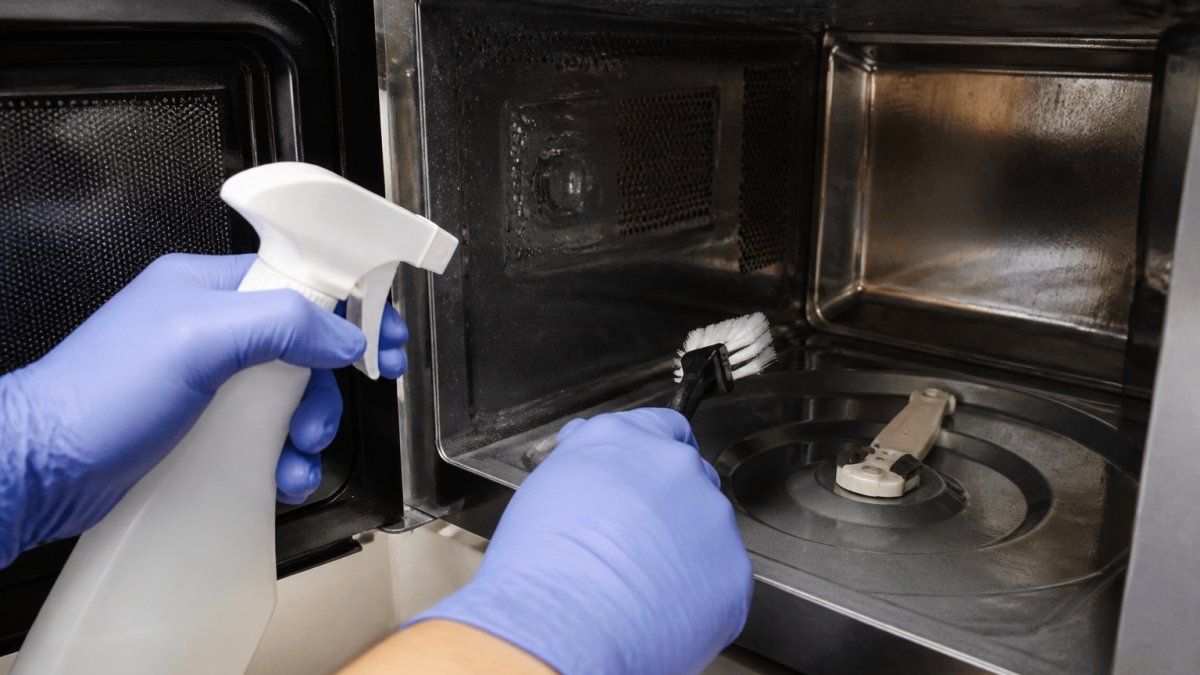
Unplug the appliance and let it cool completely (at least 30 minutes for ovens and microwaves) before cleaning.
Remove all food and removable components (shelves, drawers, filter baskets, spray arms) to access hidden areas; dispose of contaminated food immediately.
Vacuum thoroughly with a HEPA filter, focusing on cracks, motor compartments, crisper areas, and door seals.
Cleaning Sensitive Electronics: Microwaves, Toasters, and Coffee Makers
These appliances require extra caution; never use liquid cleaners inside, water and electronics don’t mix.
For microwaves: Wipe the interior with a dry cloth.
For toasters: Unplug and cool for one hour. Turn upside down and shake to dislodge debris.
For coffee makers: Disassemble and wash removable parts with hot soapy water.
Cleaning Large Appliances: Refrigerators and Dishwashers
For refrigerators: Clean all surfaces with hot soapy water, scrubbing corners, seals, shelves, and the rubber gasket. Use a toothbrush on seal grooves.
For dishwashers: Remove and wash the filter and spray arms separately.
Chemical Treatments: Food-Safe vs. Toxic Options
Food-safe options:
- Diatomaceous earth (food-grade only): Apply thinly in motor compartments or under appliances, never on food-contact surfaces. Reapply after two weeks. Wear a dust mask.
- Boric acid: Toxic if ingested; avoid in kitchens.
Perimeter-only options:
- Gel baits: Place in corners, under cabinet edges, and along baseboards near appliances. Keep away from children and pets.
- Liquid or aerosol pesticides: Never use inside appliances; they damage components, create fire hazards, and leave toxic residue.
The Critical Rule: Never Treat Food-Contact Surfaces
Never apply chemicals to food-contact surfaces. Apply treatments only to motor compartments or undersides.
When Cleaning Isn’t Enough
If cleaning and baits don’t work within two weeks, call a professional. Pest control specialists have specialized equipment and can treat appliances safely.
Never use liquid sprays, aerosol pesticides, or non-food-grade chemicals inside appliances. These products can damage electrical components, create fire hazards, and leave toxic residue on food-contact surfaces. Always prioritize food safety and electrical safety over convenience.
When to Call Professional Roach Extermination Services
Before calling a professional, decide whether to save or discard the appliance.
The Salvage vs. Discard Decision Matrix
Keep and Treat the Appliance If:
- The appliance is relatively new (less than 5 years old) or expensive to replace
- The infestation is light to moderate (you see occasional droppings or a few roaches, not dozens)
- The appliance is in good working condition otherwise
- You can access all areas for thorough cleaning (no sealed compartments where roaches can hide indefinitely)
- You’re willing to invest time in professional treatment or intensive cleaning
- The appliance is a built-in unit (like a dishwasher or range) that’s expensive to replace
Discard the Appliance If:
- The appliance is old (more than 10 years) or inexpensive to replace
- The infestation is severe (you see roaches regularly, find multiple egg cases, or smell a strong musty odor)
- The appliance has sealed compartments or complex internal structures where roaches can hide indefinitely (like some refrigerator models with sealed compressors)
- The appliance is already malfunctioning or requires expensive repairs
- You’re moving to a new apartment or home and worried about transporting the infestation
- The cost of professional treatment exceeds 50% of the appliance’s replacement cost
Why Some Appliances Should Be Discarded
If moving, transporting an infested appliance risks introducing roaches to a new home.
When to Call a Professional
Professionals identify hidden infestations, treat appliances safely, and address the entire apartment because roaches spread through walls, floors, and between units.
A professional inspection reveals entry points you may have missed.
Professional services are especially important in multi-unit buildings where roaches move between apartments.
What to Expect from Professional Treatment
When you call a professional pest control service, expect the technician to:
- Inspect all appliances and identify which ones are infested
- Assess whether each appliance can be safely treated or should be discarded
- Apply targeted treatments to appliances and surrounding areas
- Seal entry points around pipes, electrical conduits, and gaps in walls
- Provide recommendations for preventing reinfestation
- Offer a guarantee (typically 30-90 days) that roaches won’t return
Professionals use integrated pest management (IPM), which combines multiple strategies: inspection, sanitation recommendations, sealing entry points, and targeted chemical or non-chemical treatments.
Cost Considerations
Professional pest control for a single apartment depends on the severity of the infestation and your location. Follow-up treatments may be needed.
Compare this cost to the price of replacing an appliance.
However, if the appliance is old, already malfunctioning, or heavily infested, replacement may be more cost-effective and less stressful than professional treatment.
If you’re renting, contact your landlord immediately when you discover roaches. In most jurisdictions, landlords are legally required to address pest infestations. They may hire a professional pest control service at no cost to you. Document the infestation with photos and dates to support your claim.
Preventing Roaches in Appliances Long-Term
Prevention starts with eliminating the three things roaches need: warmth, moisture, and food.
Clean appliances regularly. Wipe down the exterior and interior of refrigerators, dishwashers, and ovens weekly.
Seal gaps and cracks around appliances. Caulk gaps between the appliance and the wall, around electrical cords, and along water lines.
Fix water leaks immediately. A dripping pipe or condensation buildup creates moisture that attracts roaches.
Store food in sealed containers. Open boxes and bags attract roaches.
Take out trash daily and keep garbage cans sealed. Roaches feed on trash and use it as harborage.
Reduce clutter in cabinets and under sinks. Roaches hide in cardboard boxes, paper bags, and cluttered spaces.
Use roach baits as a preventative measure even when you don’t see roaches.
Check for roaches regularly. Inspect appliances, under sinks, and along baseboards monthly. Catch infestations early when they’re easiest to eliminate.
Communicate with your landlord or building management about roach problems.
German cockroaches reproduce quickly, doubling their population every 30-40 days. Early detection and treatment prevent infestations from becoming severe. Monthly inspections are your best defense.
Frequently Asked Questions
How do you know if roaches are in your appliances?
Look for droppings that resemble black pepper, a musty odor, or egg cases (oothecae) in crevices and corners. You may also notice roaches scurrying inside when you open the appliance door or hear rustling sounds. German cockroaches are especially common in refrigerators and microwaves because they seek warmth and moisture. If you spot these signs, inspect other appliances immediately.
Why do cockroaches prefer warm appliances like toasters and refrigerators?
Roaches are attracted to appliances because they provide warmth, moisture, and food residue, the three things cockroaches need to survive. Refrigerators maintain consistent warmth and humidity, while toasters and other kitchen appliances accumulate crumbs and grease. These conditions create ideal harborage and breeding grounds. The enclosed spaces also offer protection from predators and pesticides.
Can I safely clean roaches out of my refrigerator myself?
Yes, but carefully. Unplug the appliance first, then use a brush and soapy water to clean all crevices and cracks. Avoid using strong pesticides inside food-contact areas due to chemical safety concerns. After cleaning, use gel bait or bait stations in inaccessible areas nearby. If the infestation is severe or you’re uncomfortable handling it, professional roach extermination services can eliminate the problem safely while protecting your food storage.
Should I throw away an appliance with a roach infestation?
Not necessarily. Most infestations can be eliminated with thorough cleaning, bait treatments, and preventative sealing of entry points. Discard the appliance only if it’s already old, damaged, or the infestation is so severe that treatment isn’t practical. For valuable or newer appliances, professional pest control can often salvage them. The decision depends on the appliance’s age, the infestation severity, and your budget.
Roaches in apartment appliances are a serious problem that requires immediate action. The longer you wait, the larger the infestation becomes and the harder it is to eliminate. Professional roach extermination services address the root cause, not just the visible problem. Zoifia Pest Control specializes in eliminating roaches from appliances and preventing reinfestation with our licensed, insured team backed by a 90-day guarantee. Get a quote today and take back your kitchen from roaches.
